象徴的な人物や場面を通じて道徳的または精神的なメッセージを伝える絵画。
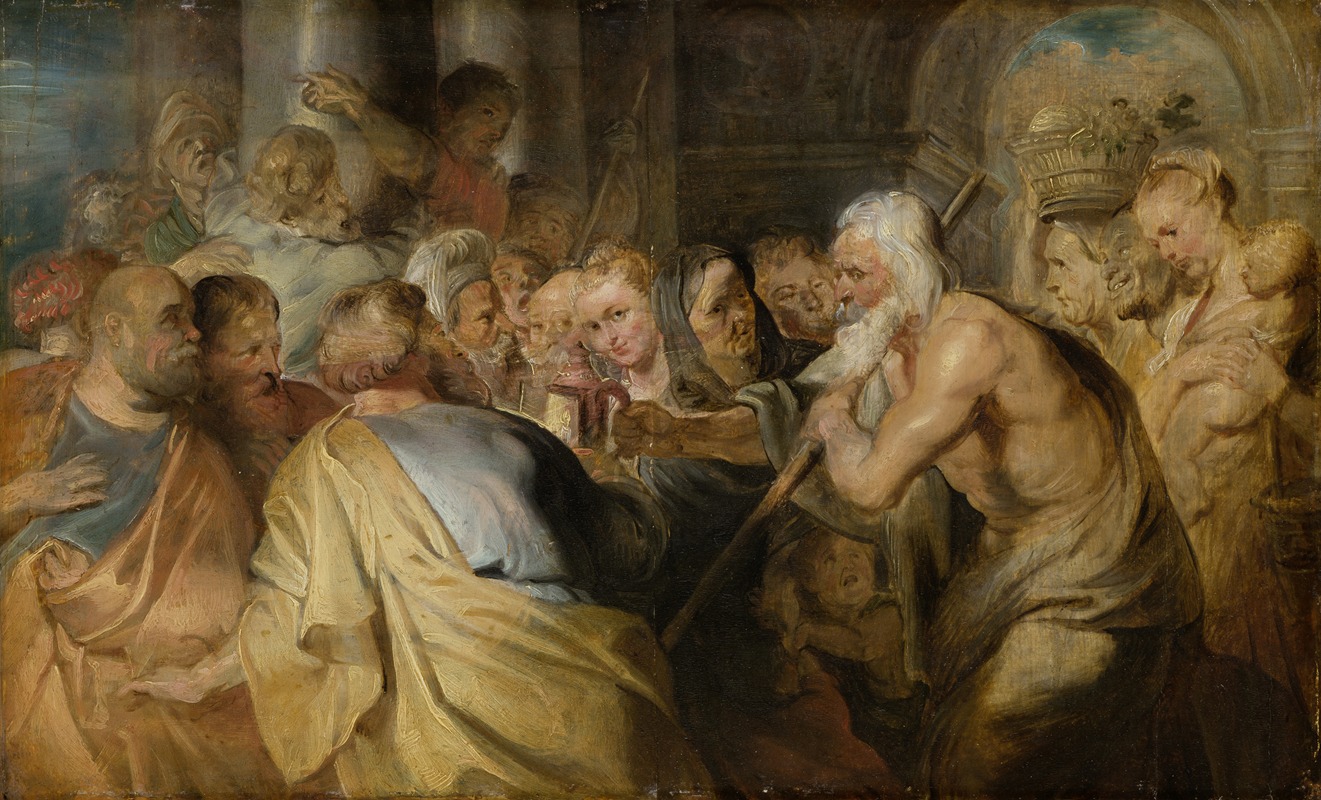
Diogenes Looking for an Honest Man
Peter Paul Rubens
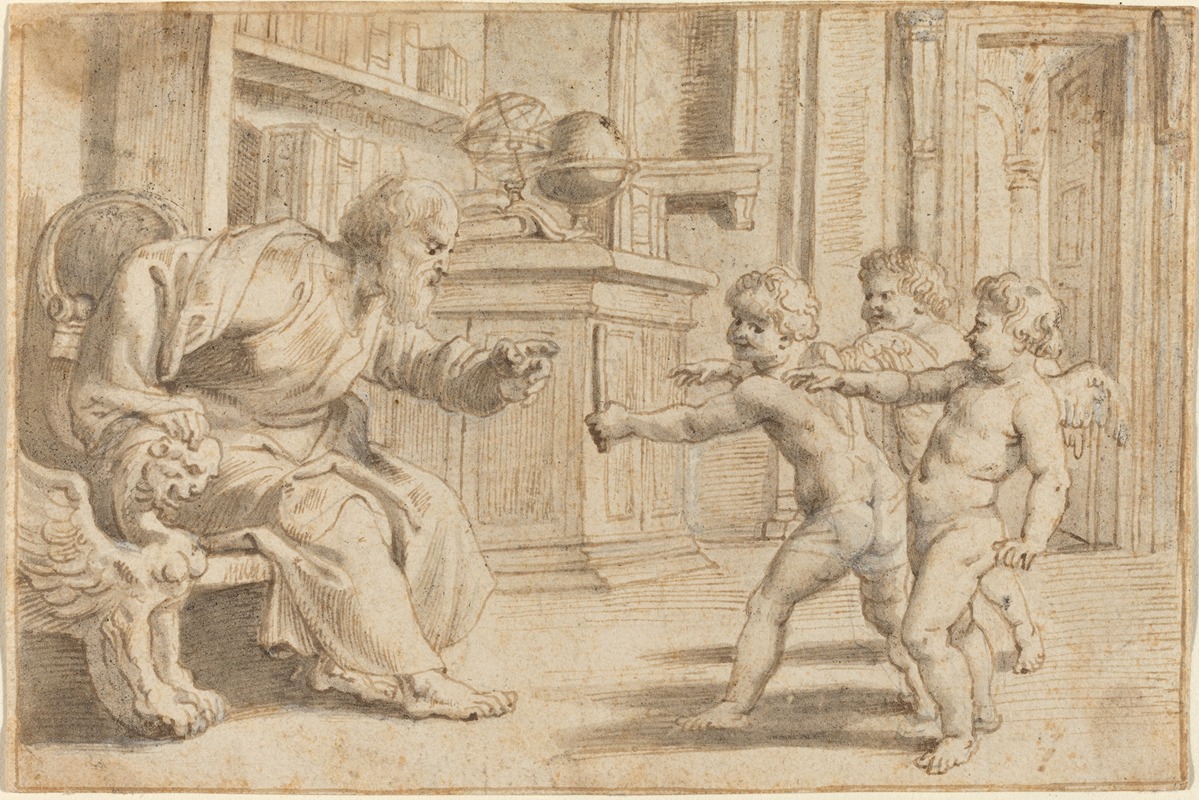
Putti Testing a Man’s Perception of Depth
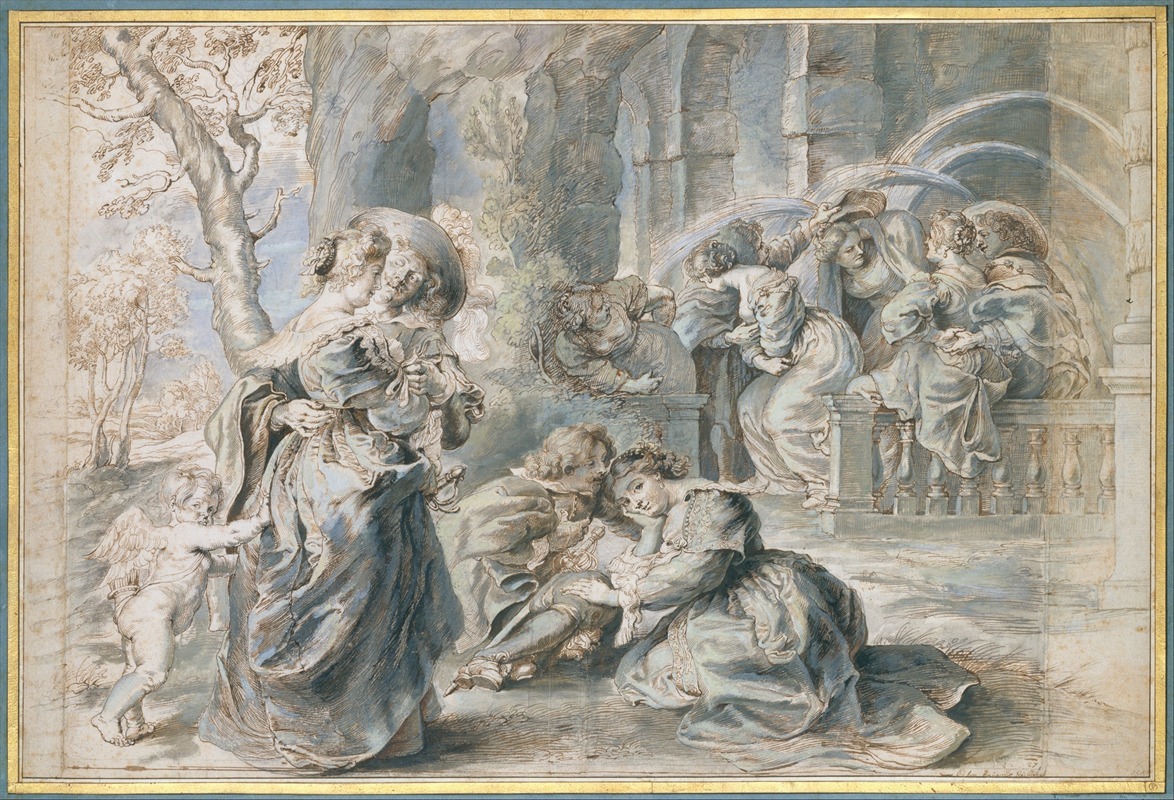
The Garden of Love (left portion)
Pagan Philosophy
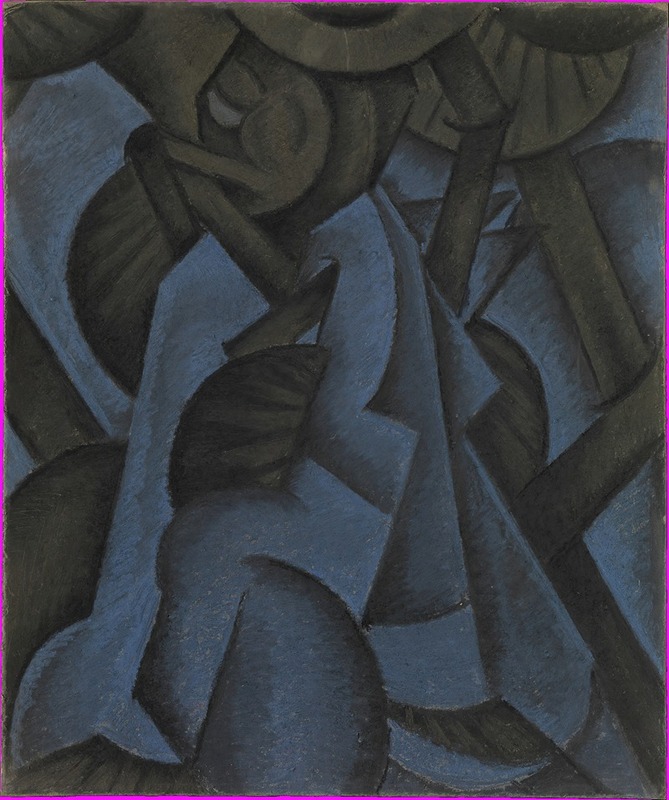
Arthur Dove
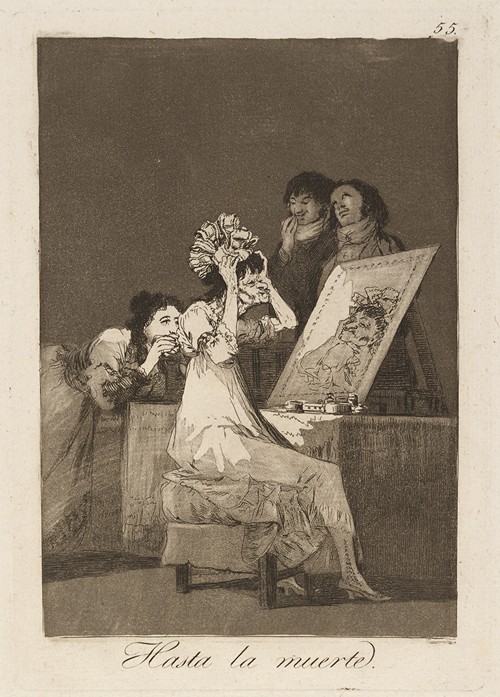
Hasta la muerte. (Until death.)
Francisco de Goya
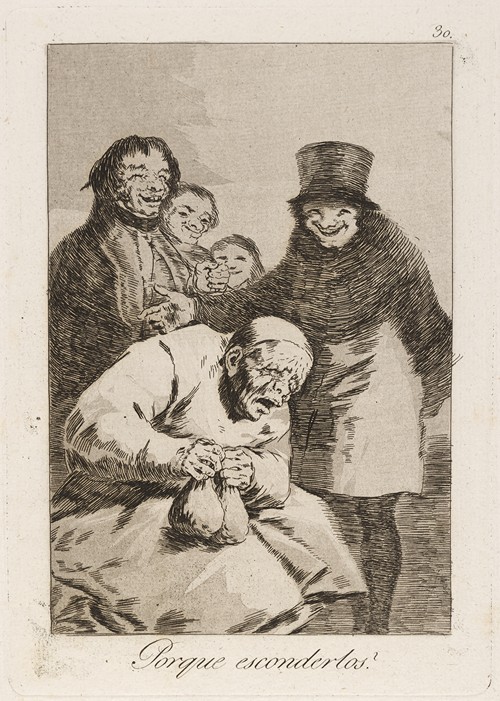
Porque esconderlos (Why hide them)
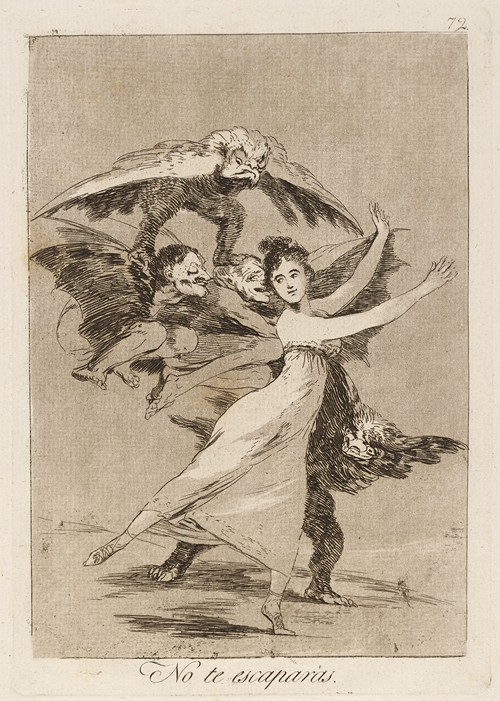
No te escaparás. (You will not escape.)
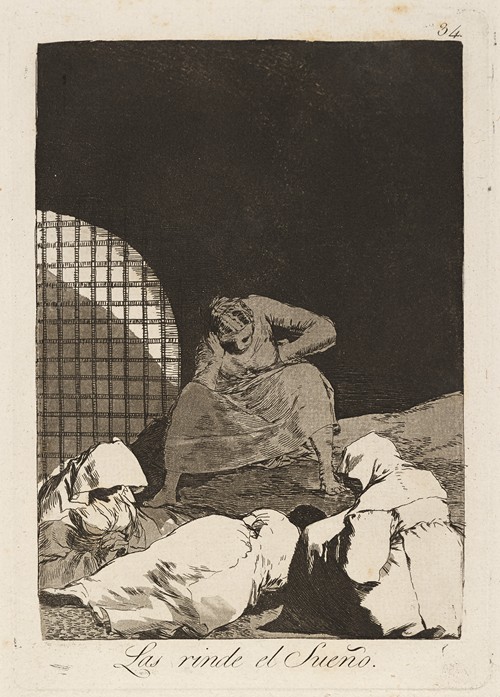
Las rinde el Sueño. (Sleep overcomes them.)
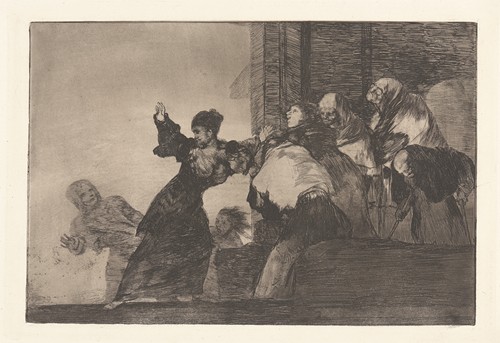
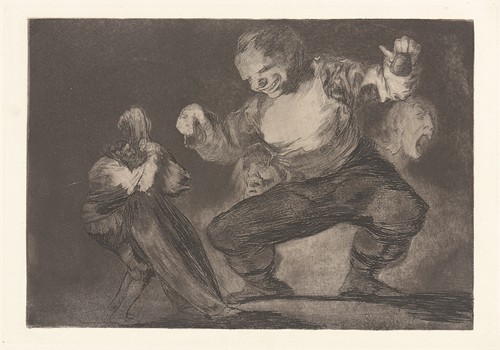
Two Heads Are Better Than One [Poor Folly] (Disparate Pobre)
Mrs. Yates as ‘Melancholy’ in ‘Il Penseroso’
George Romney
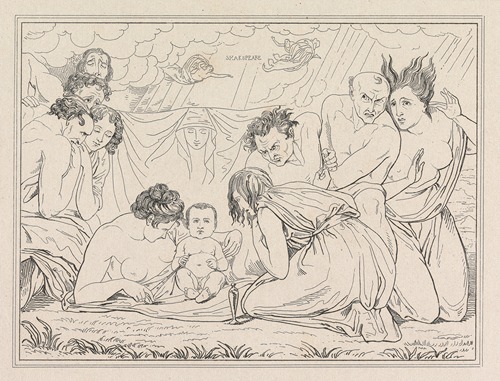
The Infant Shakspeare attended by Nature and the Passions
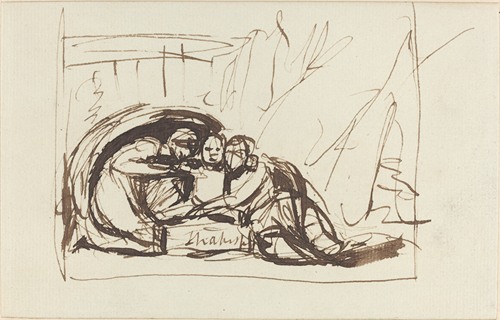
The Infant Shakespeare Nursed by Comedy and Tragedy
God Creates Them and They Join up Together (Dios los Cria y Ellos Se Juntan)
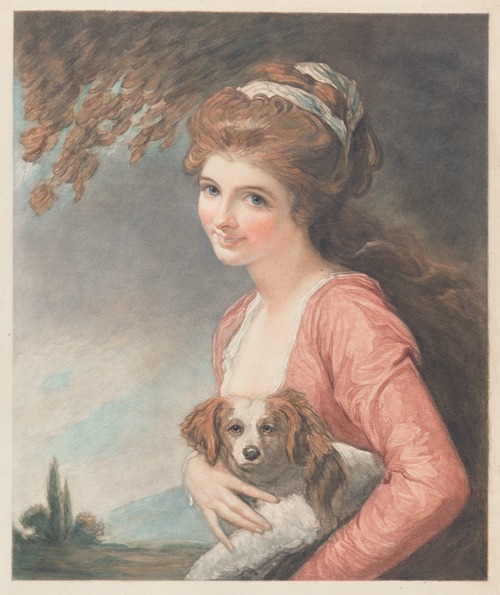
Lady Hamilton as Nature
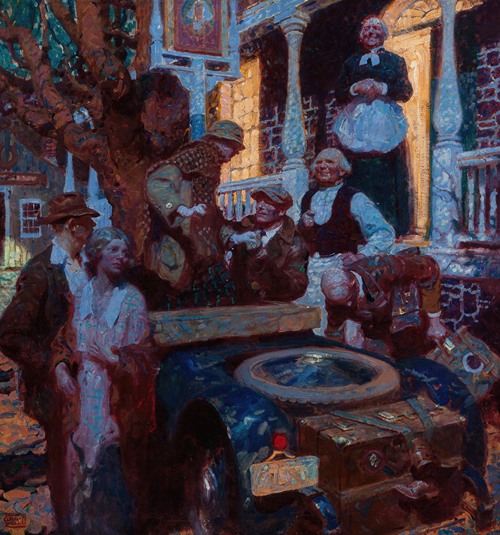
The Great Things of Life-Travel
Dean Cornwell
After Vice Comes Fornication [Simpleton] (Tras el Vicio Viene el Fornicio [Bobalicón])
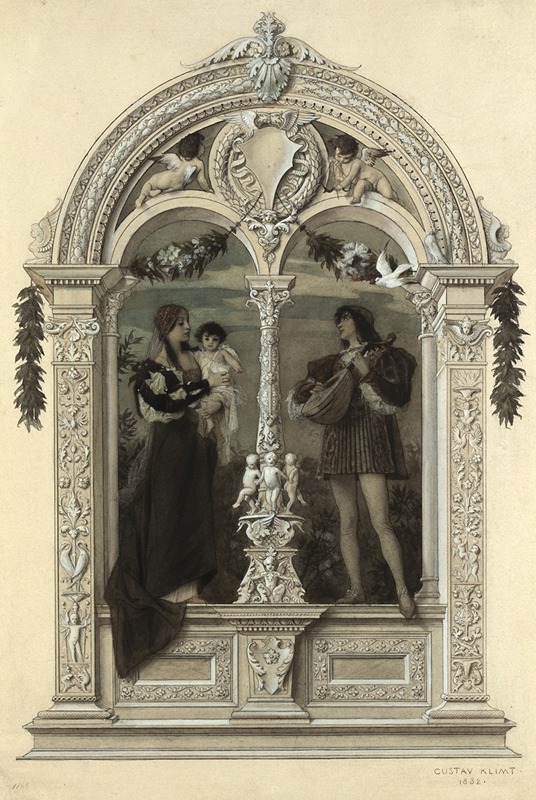
Expectation (from Tree of Life)
Gustav Klimt
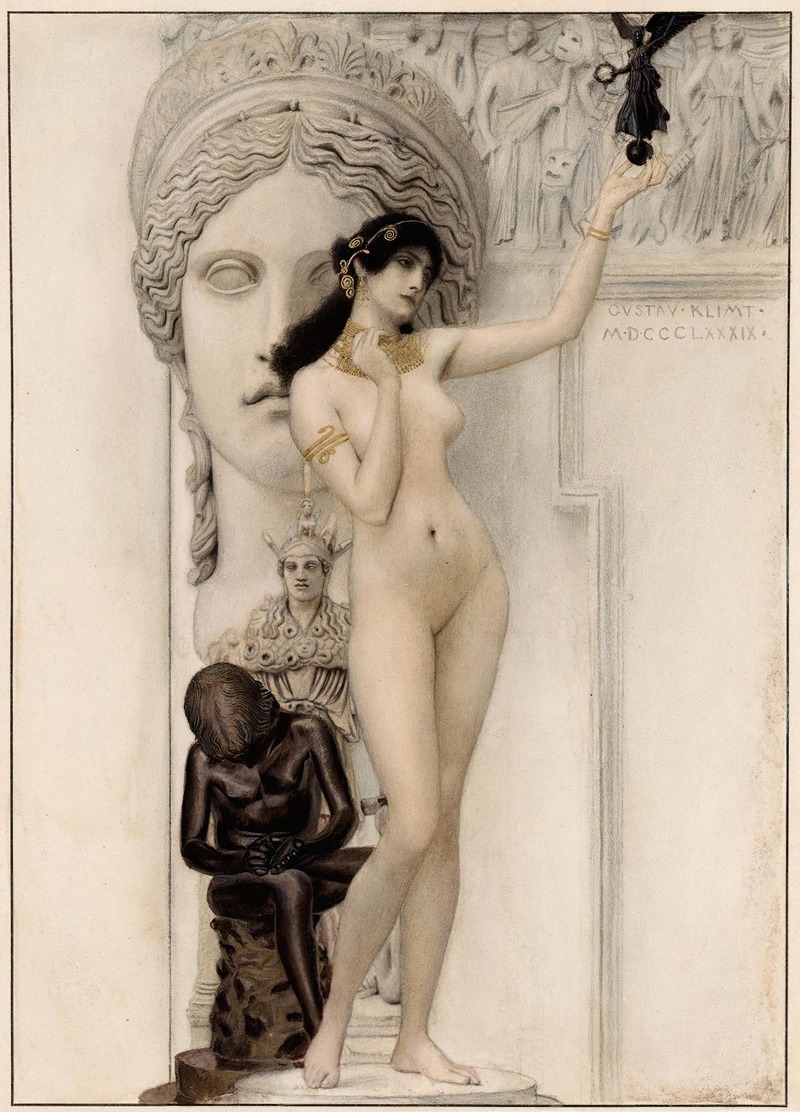
Allegory of Sculpture
Die Jugend
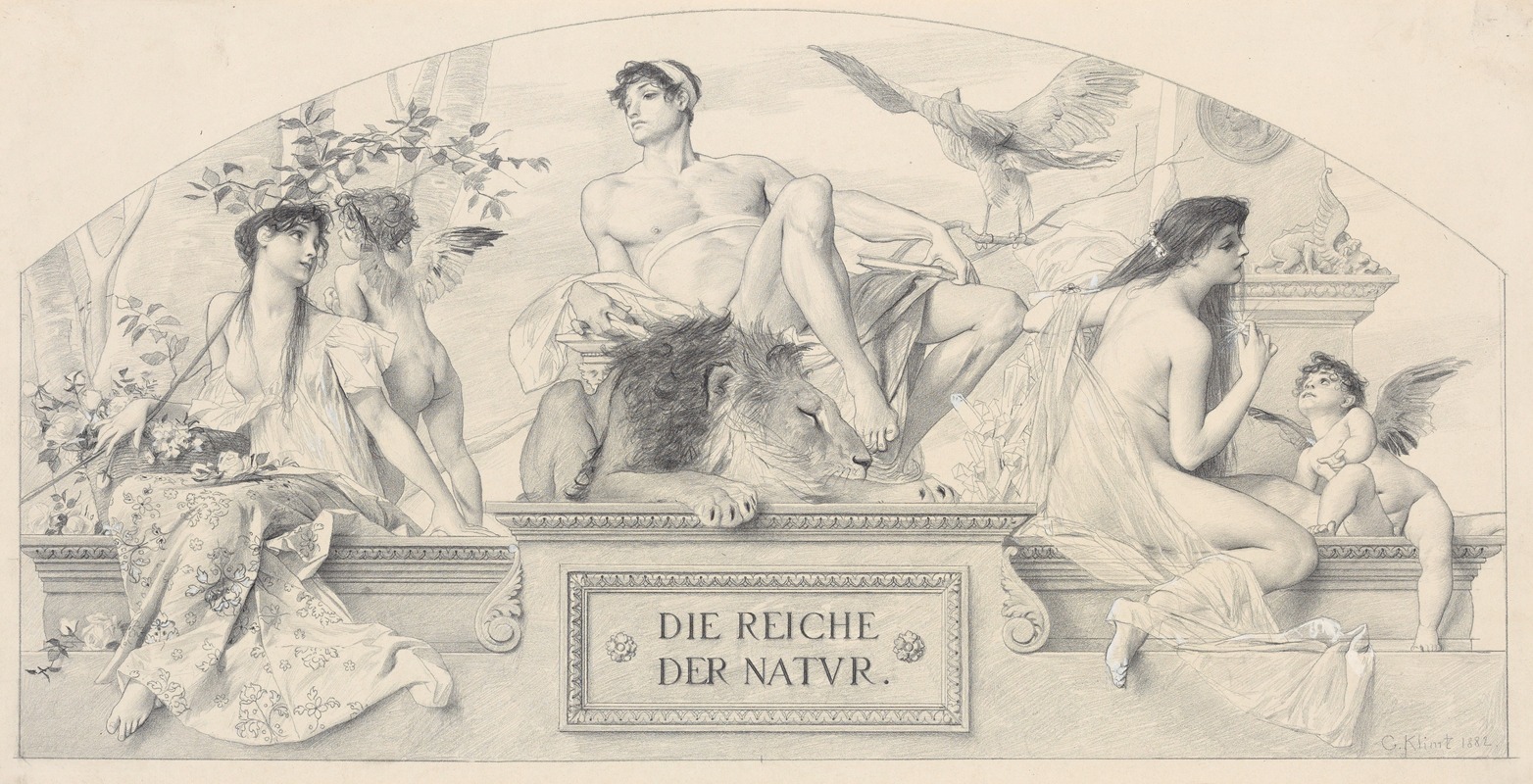
Die Reiche der Natur
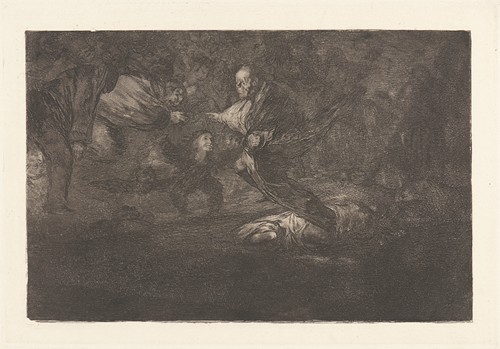
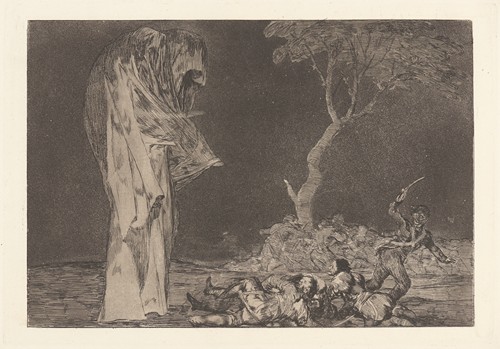
Do Not Lose Honour through Fear [Folly of Fear] (Por Temor No Pierdas Honor [Disparate de Miedo])
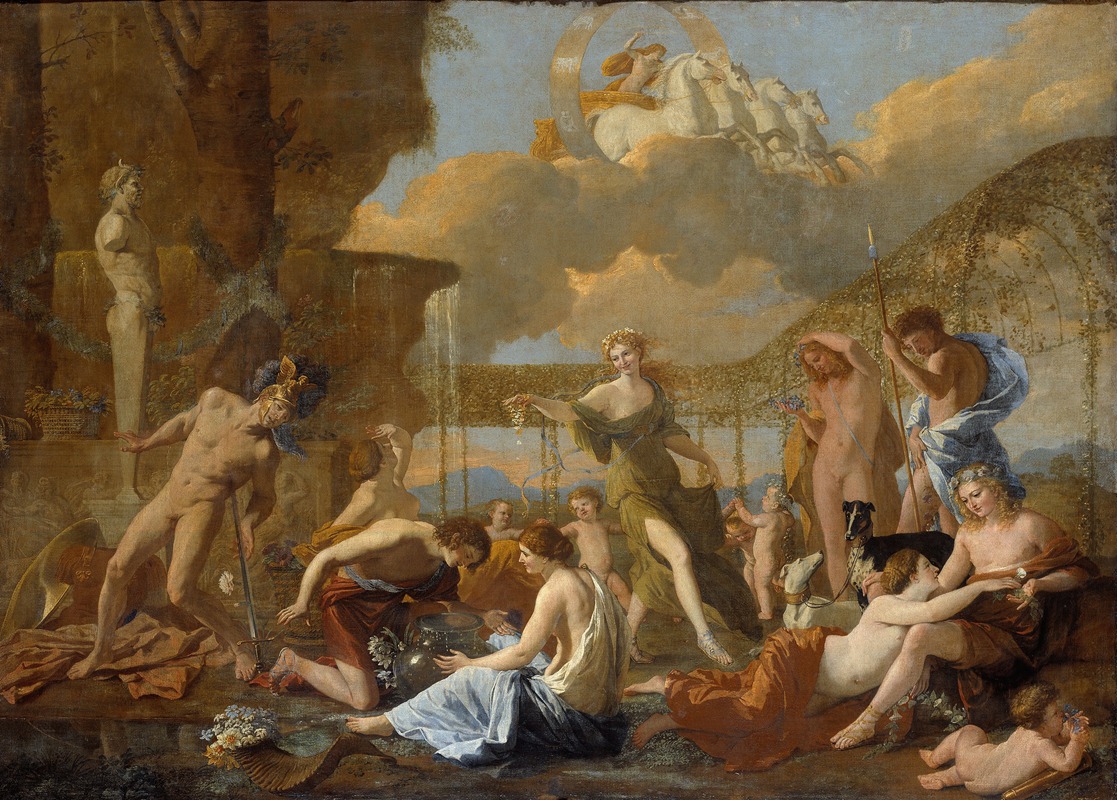
The Empire of Flora
Nicolas Poussin
Young man before the Seven liberal arts
Sandro Botticelli
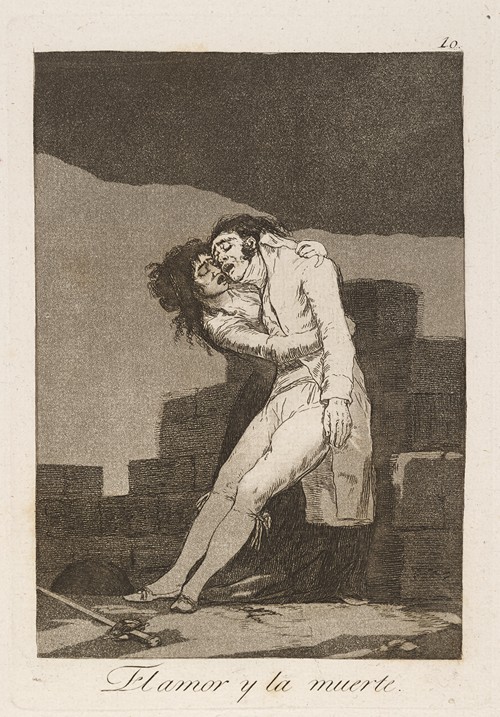
El amor y la muerte. (Love and death.)
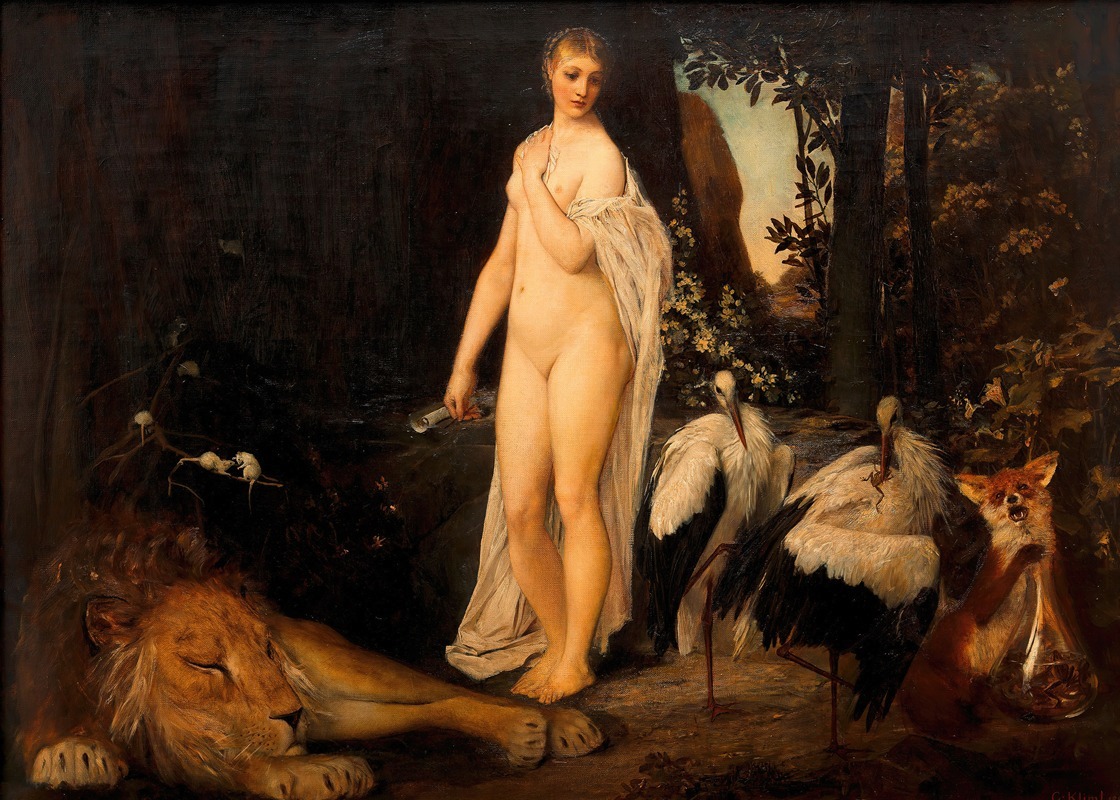
Fabel
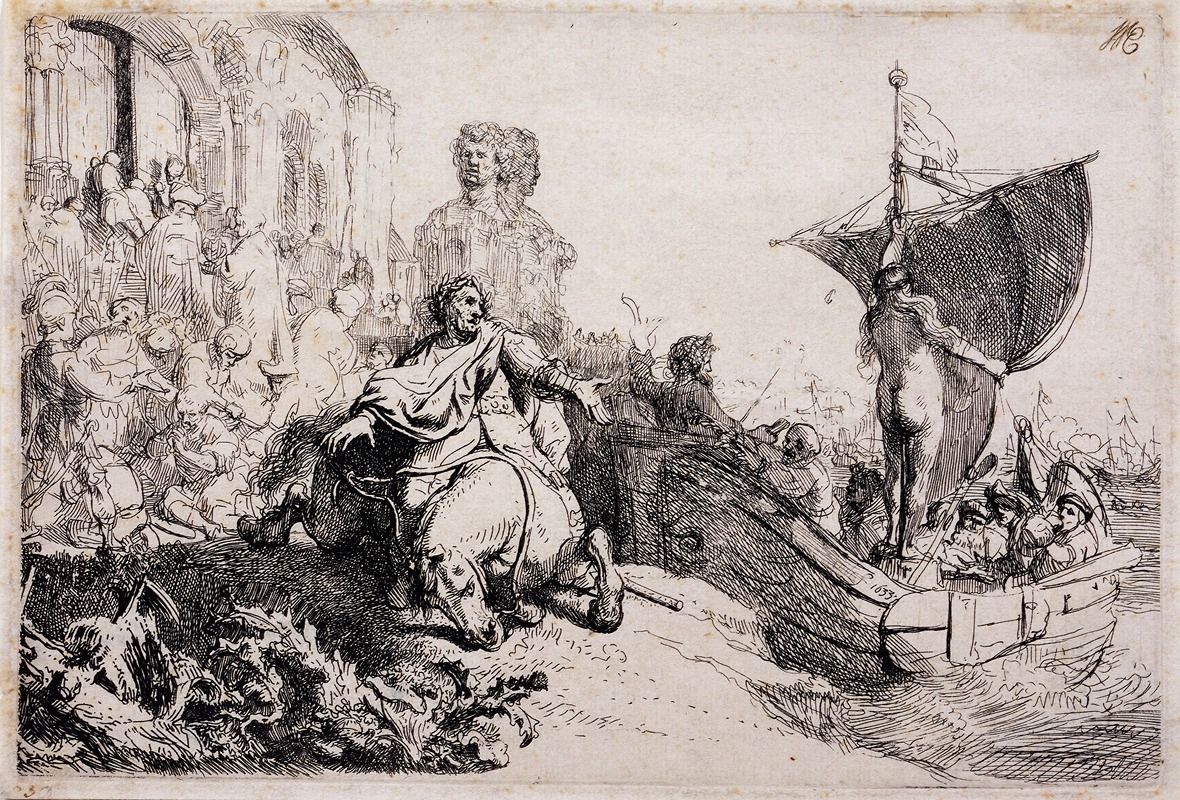
The Ship of Fortune
Rembrandt van Rijn
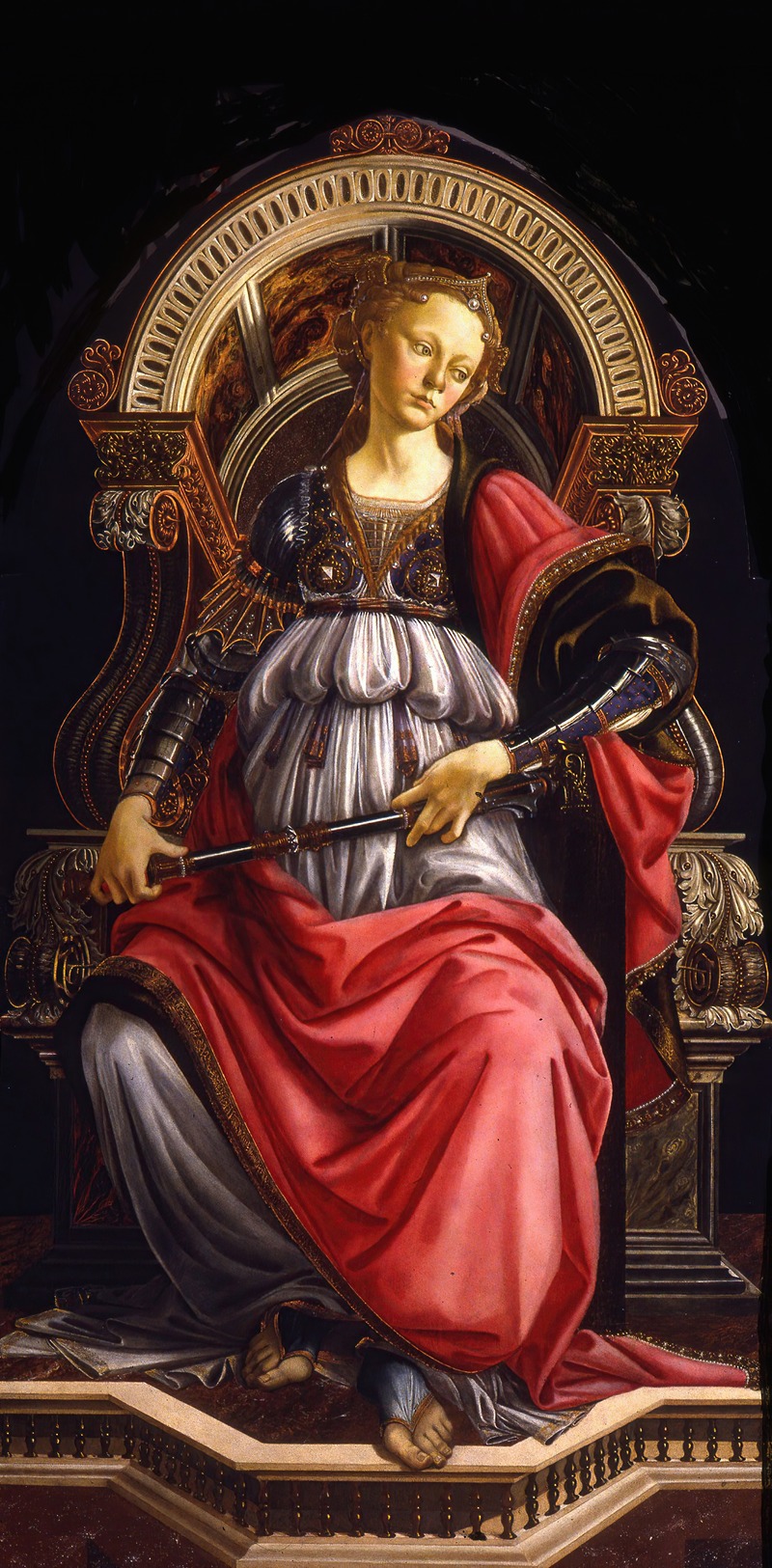
Fortitude
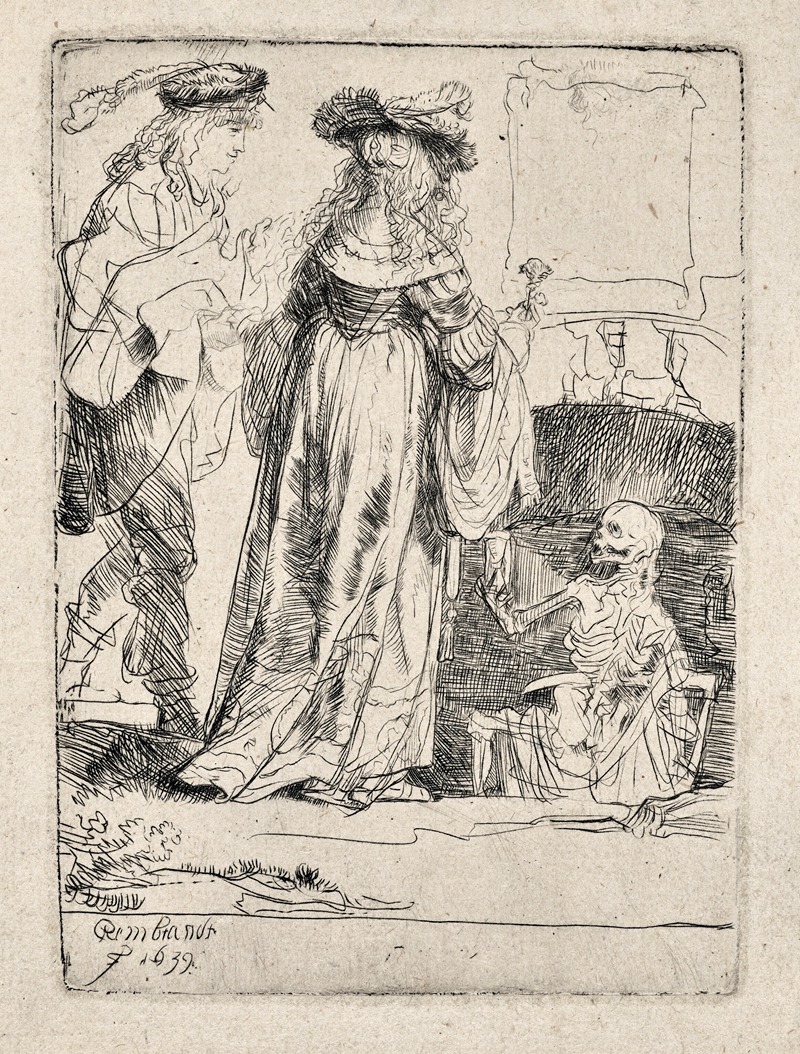
Death appearing to a Wedded Couple from an open Grave
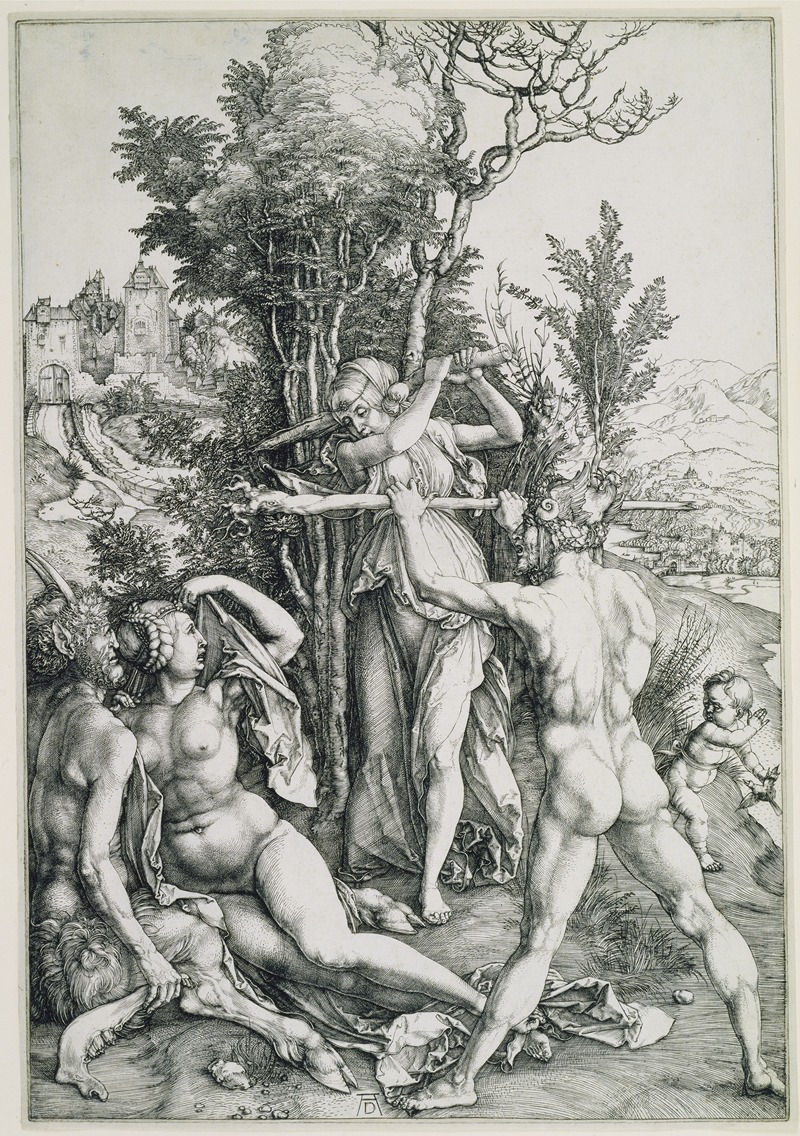
The Combat of Vitue and Pleasure in the Presence of Hercules
Albrecht Dürer
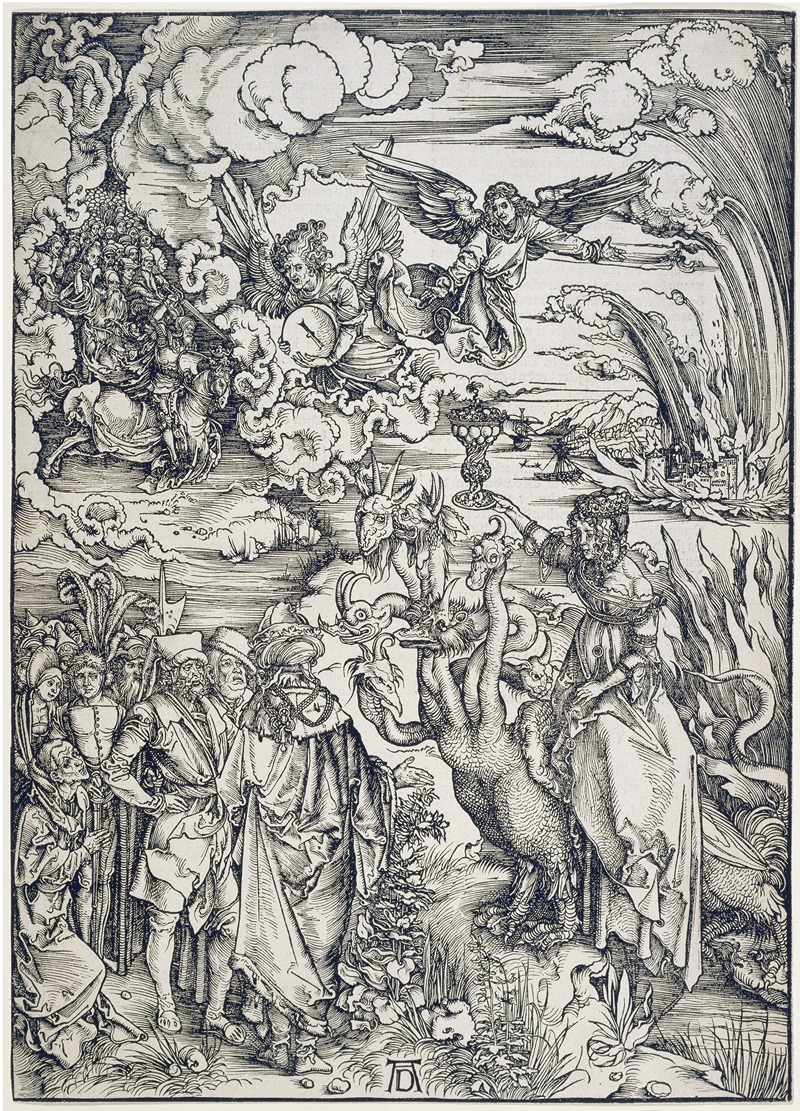
Das babylonische Weib, aus der Folge der Apokalypse, Urausgabe Deutsch