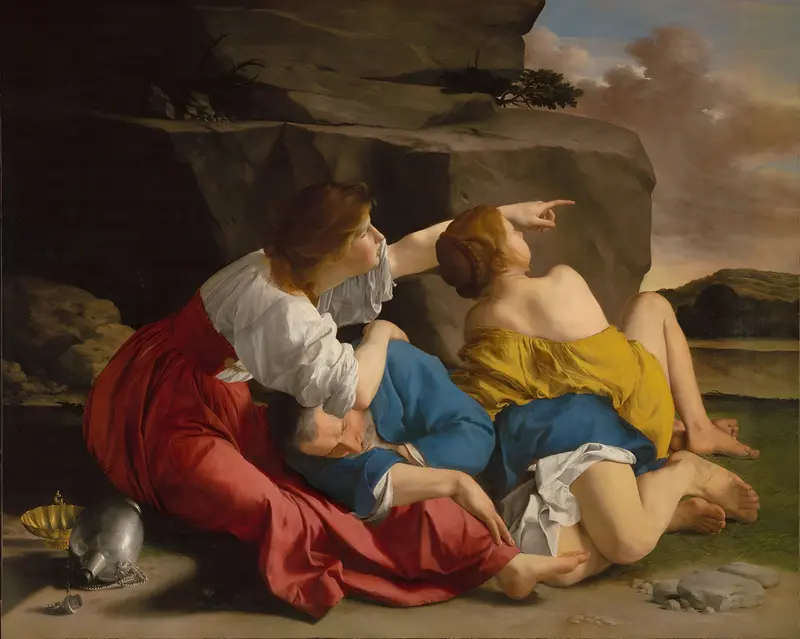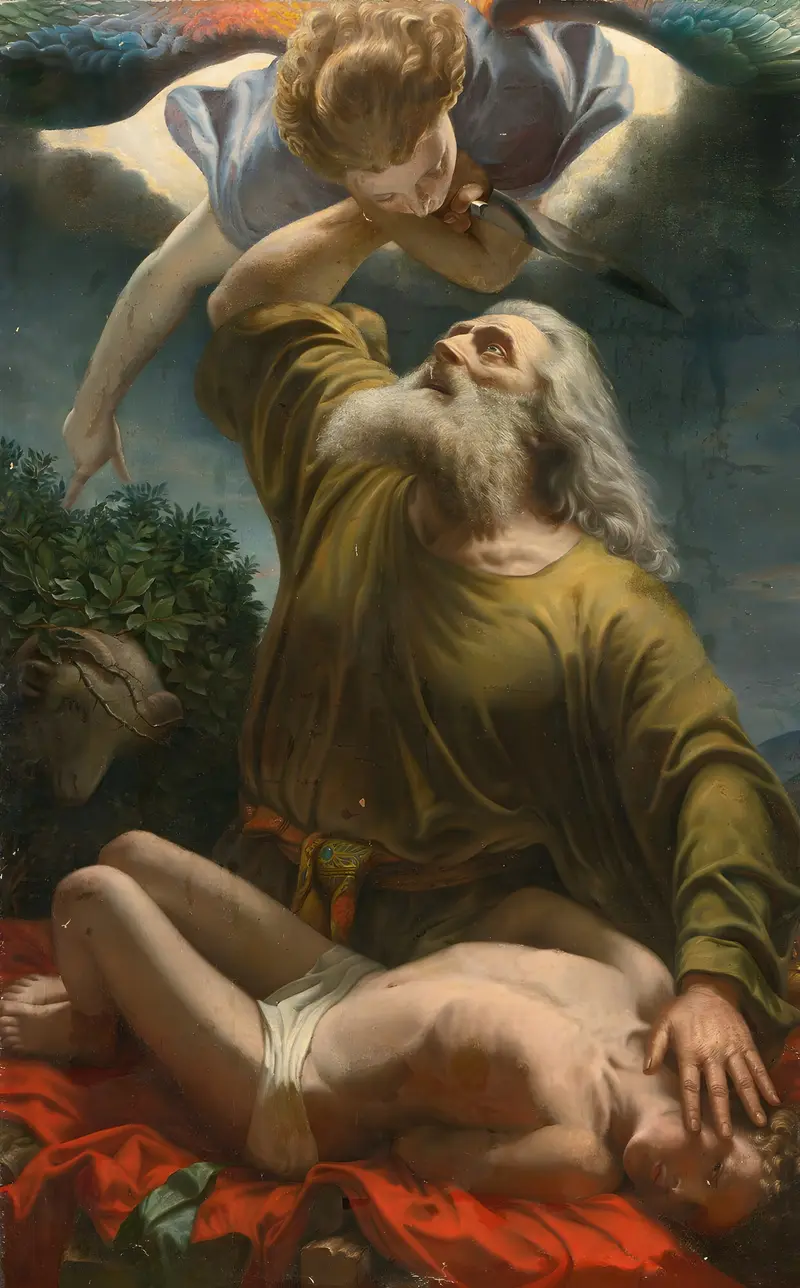
German, 1595–1631
The School of Johann Liss was a group of artists active in the early 17th century in Germany, particularly known for their contributions to the Baroque style. Johann Liss, born in 1595 in Weimar, was a prominent figure in this school and is recognized for his dynamic compositions and use of color. He trained in the Netherlands, where he was influenced by the works of Caravaggio and other Baroque masters. Liss's career flourished in Venice and later in Germany, where he became known for his religious and mythological themes. His major works include 'The Virgin and Child' and 'The Adoration of the Magi', which showcase his ability to convey emotion and movement. The School of Johann Liss played a significant role in the development of Baroque art in Germany, bridging the styles of Northern and Southern Europe. Liss died in 1631, leaving behind a legacy that influenced subsequent generations of artists.
2 artworks