
à Orbe. — History & Facts
Is this a mirror — or a memory? In Johann Ludwig Aberli's à Orbe, the viewer is invited to explore the ethereal boundary between the tangible and the divine, an invitation to reflect on what we see and what we remember. Look to the foreground where soft, velvety greens mingle with the delicate blues of an expansive sky, cradling the eye like a gentle embrace. Notice how light filters through the branches, casting dappled shadows that create an interplay of depth and texture across the landscape. The intricate detailing of the leaves draws you in, while the distant mountains loom majestically, reminding us of nature's grandeur.
Each brushstroke whispers tales of serenity and tranquility, forging a connection with the viewer that transcends time. Delve deeper, and you will find the subtle contrasts that reveal the painting's emotional core. The juxtaposition of light and shadow evokes a sense of yearning, as if the landscape itself longs for a narrative that lies just outside our grasp. The gentle rise of the hills suggests elevation — a spiritual ascent, perhaps — inviting contemplation of life's mysteries and divine moments nestled within the ordinary.
Each element holds significance, urging the viewer to ponder their own place in the tapestry of existence. Aberli created à Orbe during a period marked by the Enlightenment's embrace of nature and emotional resonance in art. Living in the 18th century, he was influenced by the natural beauty of Switzerland, where he painted this work. As artists began to explore the interplay of landscape and feeling, Aberli's commitment to capturing serene vistas reflected a broader trend in the art world, highlighting humanity's deepening connection to the divine in the natural world.
More Artworks by Johann Ludwig Aberli
Browse all →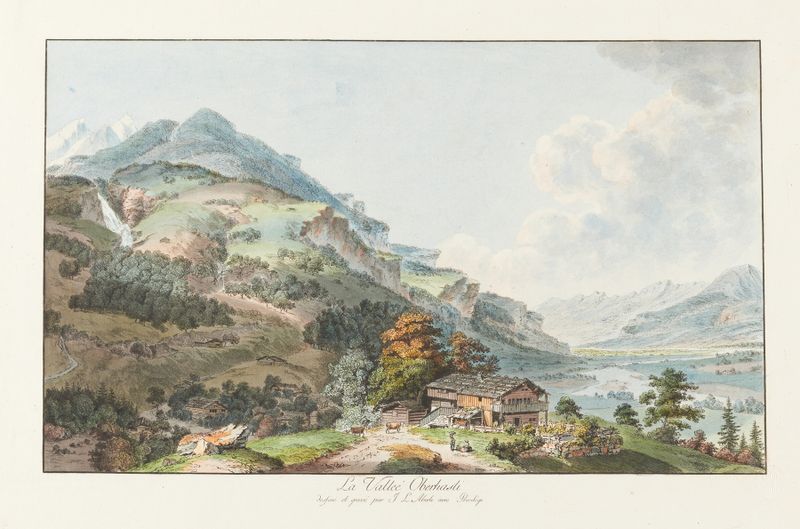
La Vallée Oberhasli
Johann Ludwig Aberli
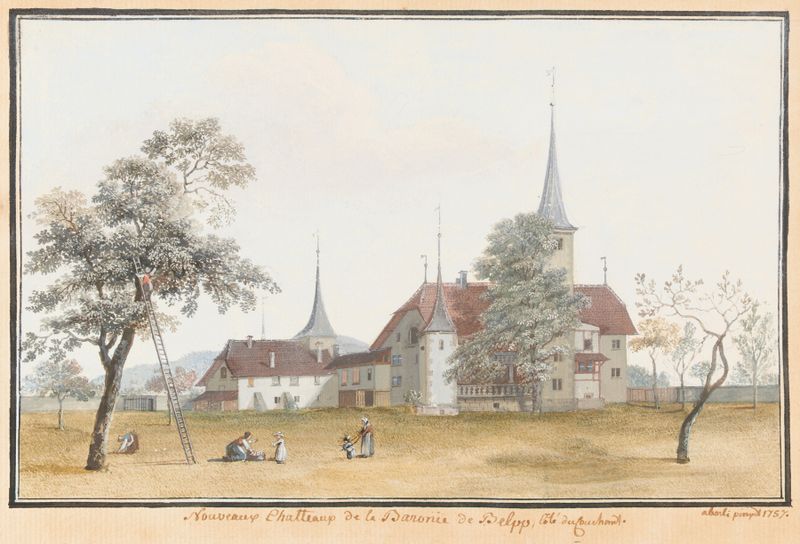
Nouveaux Chatteaux de la Baronie de Belpp; Côté du Couchant
Johann Ludwig Aberli
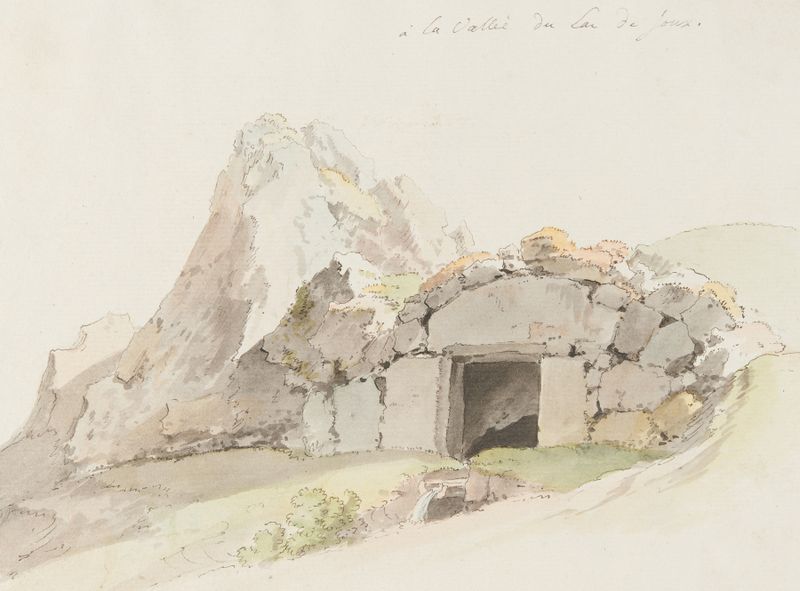
à la Vallèe du Lac de Joux
Johann Ludwig Aberli
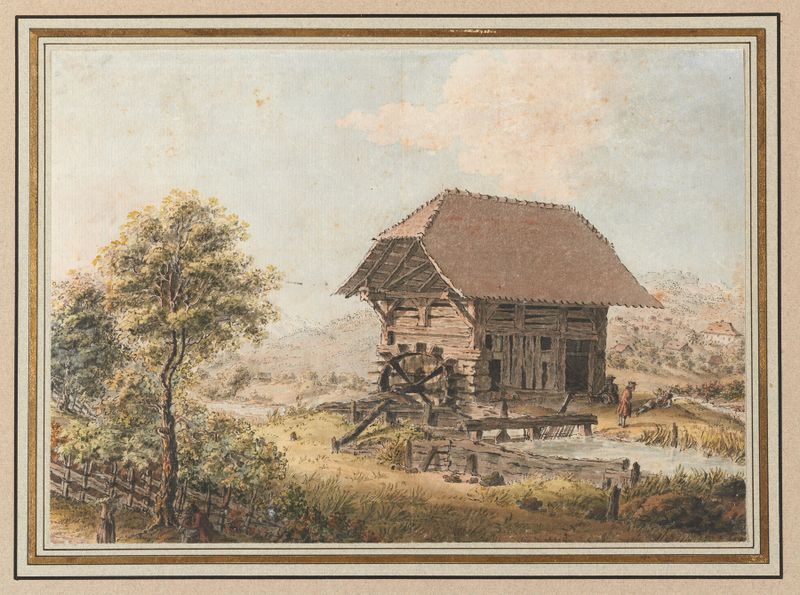
Ansicht einer Mühle im Berner Mittelland
Johann Ludwig Aberli
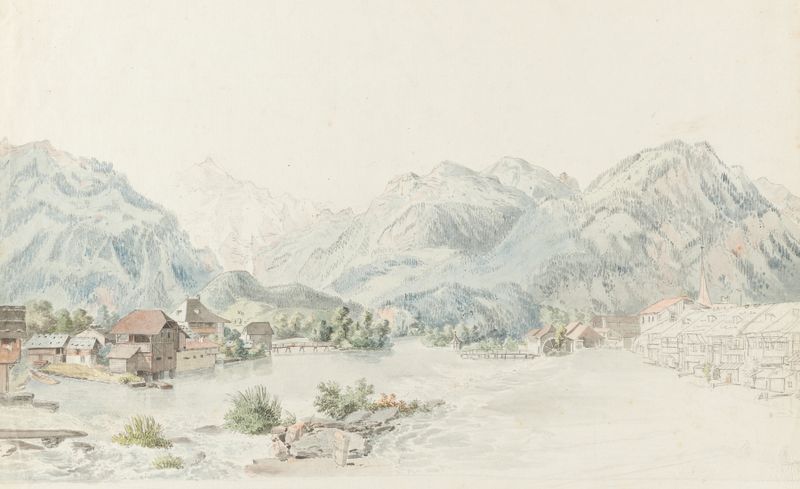
Ansicht von Unterseen
Johann Ludwig Aberli
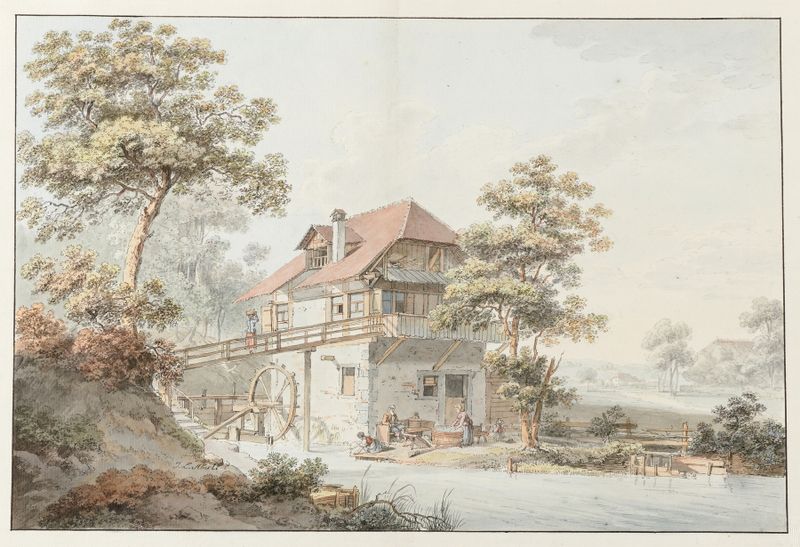
Ansicht einer Mühle im Berner Mittelland.
Johann Ludwig Aberli
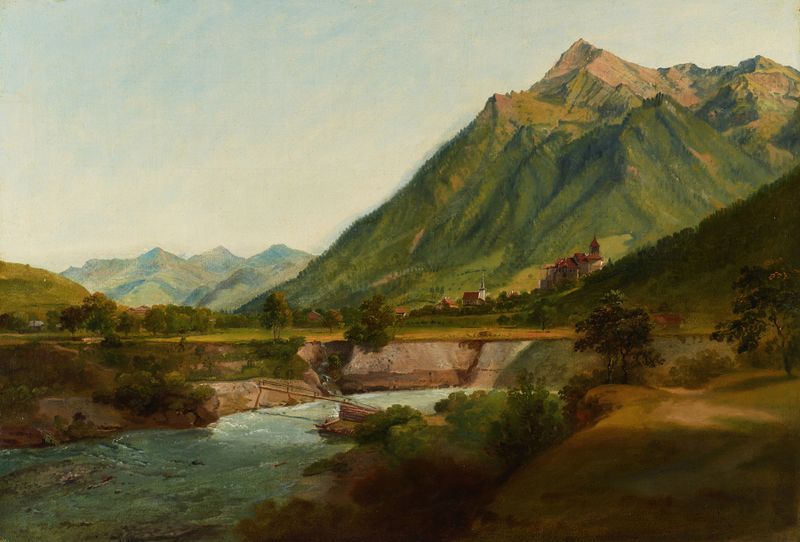
Vue du Château de Wimmis et des environs
Johann Ludwig Aberli
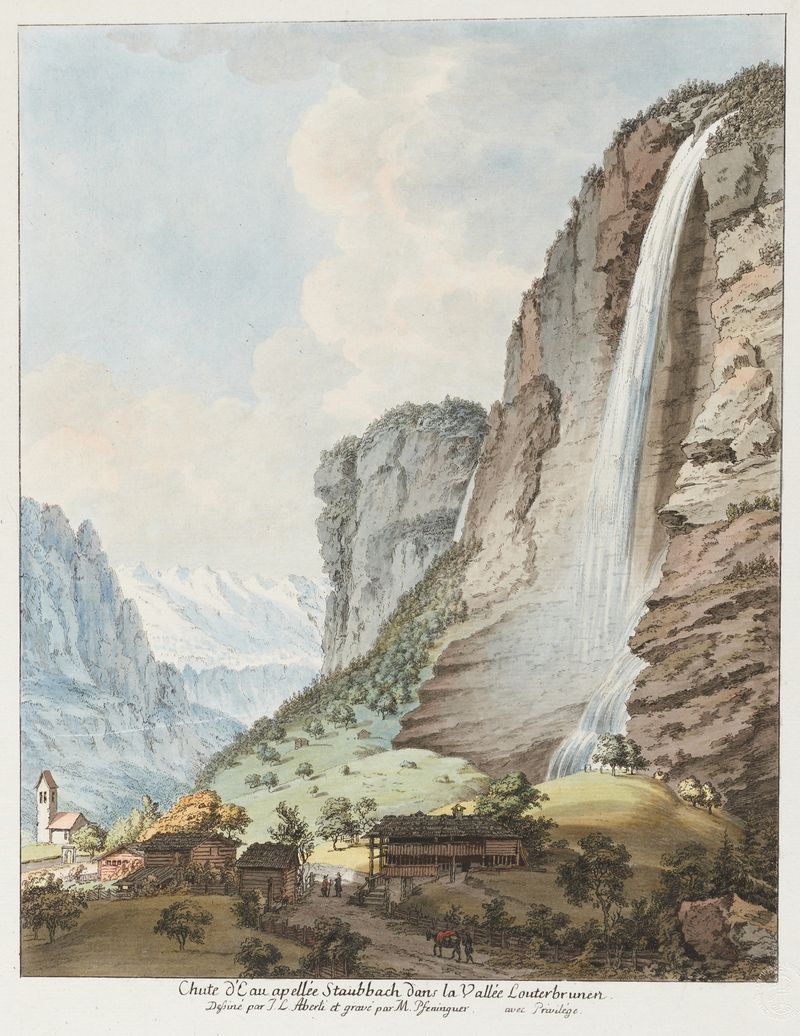
Chute d’Eau apellée Staubbach dans la Vallée Louterbrunnen
Johann Ludwig Aberli
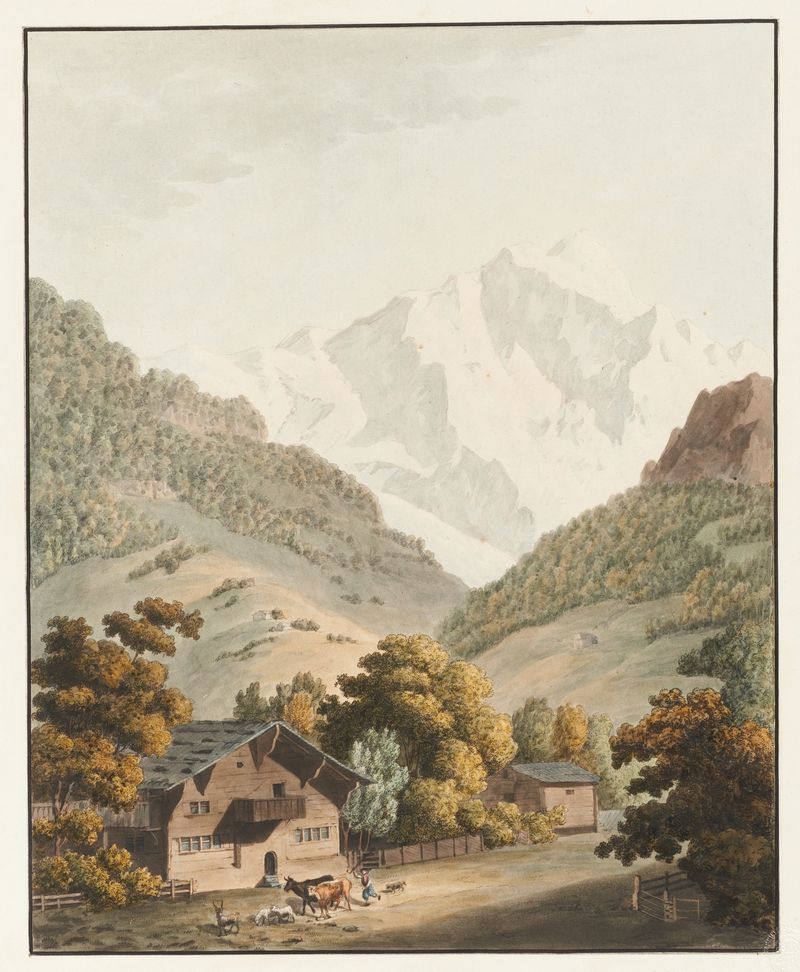
Vue du Jungfrau-Horn
Johann Ludwig Aberli
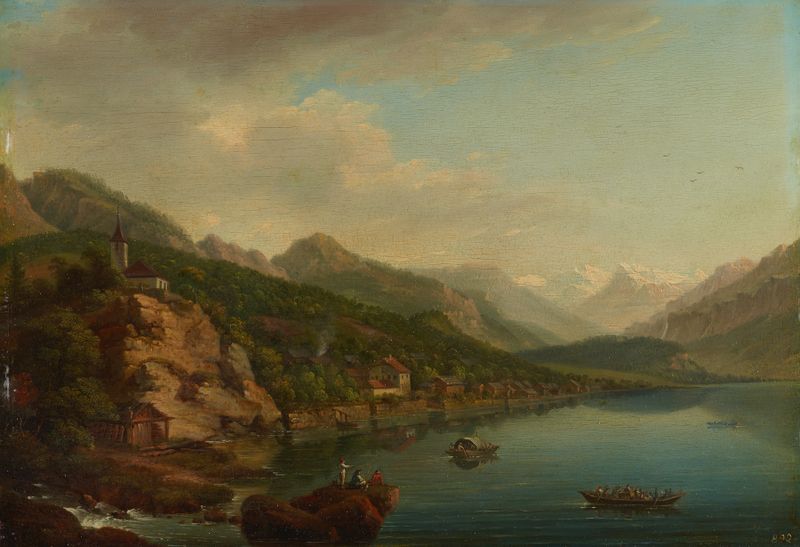
Vue du Village et du Lac de Brientz
Johann Ludwig Aberli





