
à la Vallèe du Lac de Joux — History & Facts
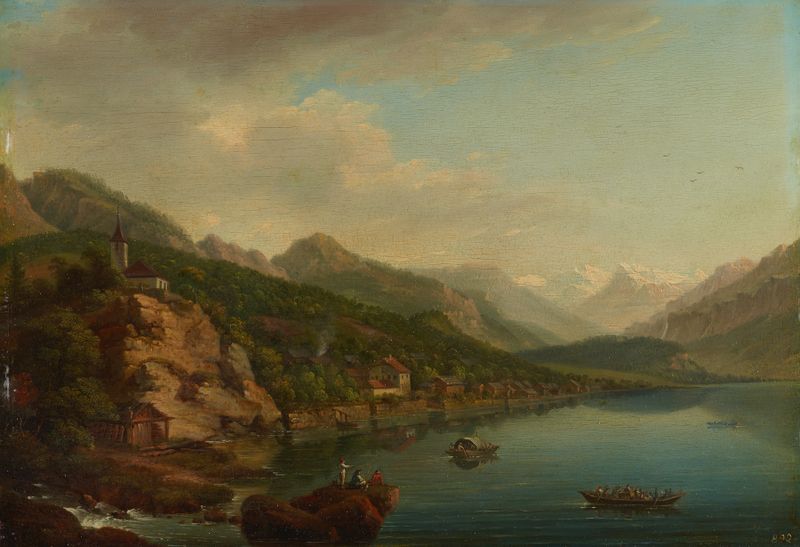
In the stillness of the Swiss landscape, divinity and nature intertwine, echoing the whispers of existence in every brushstroke. Look to the center of the canvas, where rolling hills cradle a shimmering lake, a mirror reflecting the tranquil heavens above. Flashes of green and blue dance across the surface, the artist capturing not just the scenery but the very essence of peace. The delicate strokes and soft transitions of color invite the viewer into a moment where time seems suspended, urging us to breathe alongside the landscape. Hidden within this serene vista lies a profound exploration of the relationship between humanity and nature.
The subtle contrasts—between light and shadow, movement and stillness—speak to the impermanence of our existence against the backdrop of an eternal world. Each tree stands as a silent sentry, bearing witness to fleeting moments of life, while the lake embodies a divine calm, offering solace and reflection. Johann Ludwig Aberli painted this work in the 18th century, during a period marked by a burgeoning appreciation for natural landscapes in art. Living in Switzerland, he was part of a movement that sought to elevate the beauty of the everyday, as Europe began to transition from Rococo exuberance to the more grounded Enlightenment ideals.
In creating this piece, Aberli not only captured a picturesque scene but also encapsulated a deeper reverence for nature, one that resonates timelessly.
More Artworks by Johann Ludwig Aberli
Browse all →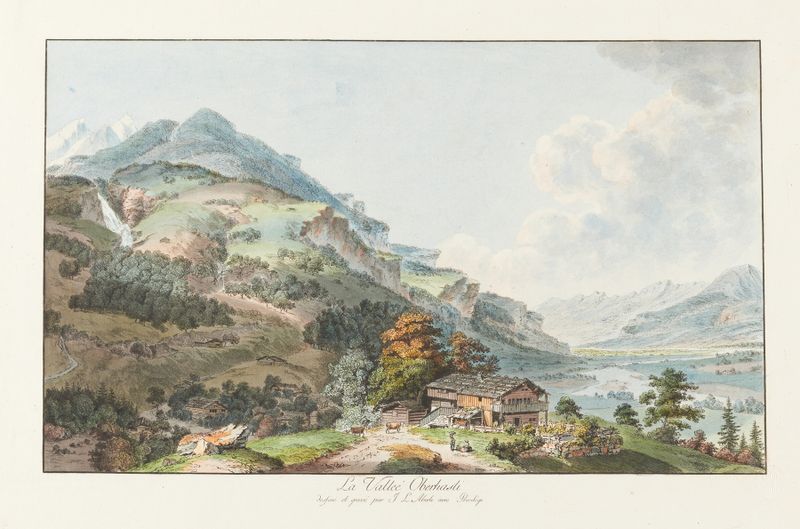
La Vallée Oberhasli
Johann Ludwig Aberli
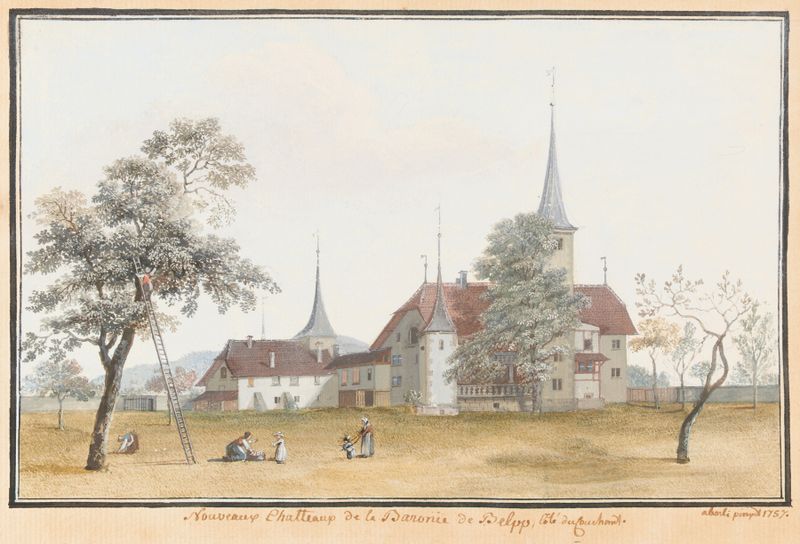
Nouveaux Chatteaux de la Baronie de Belpp; Côté du Couchant
Johann Ludwig Aberli
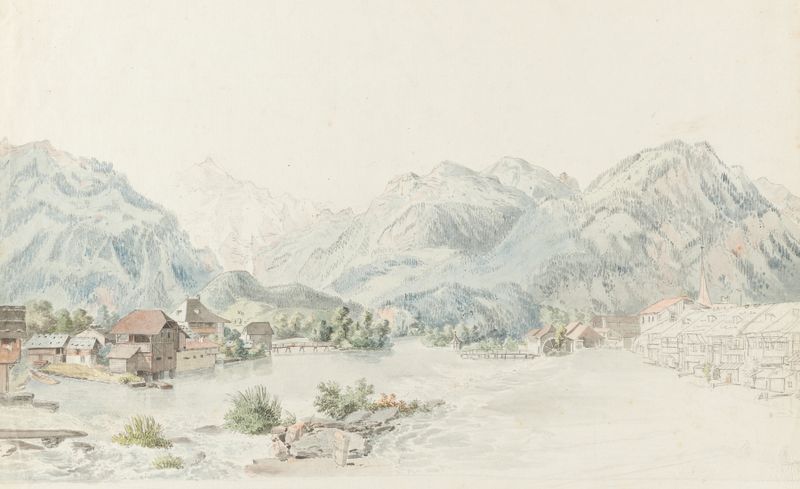
Ansicht von Unterseen
Johann Ludwig Aberli
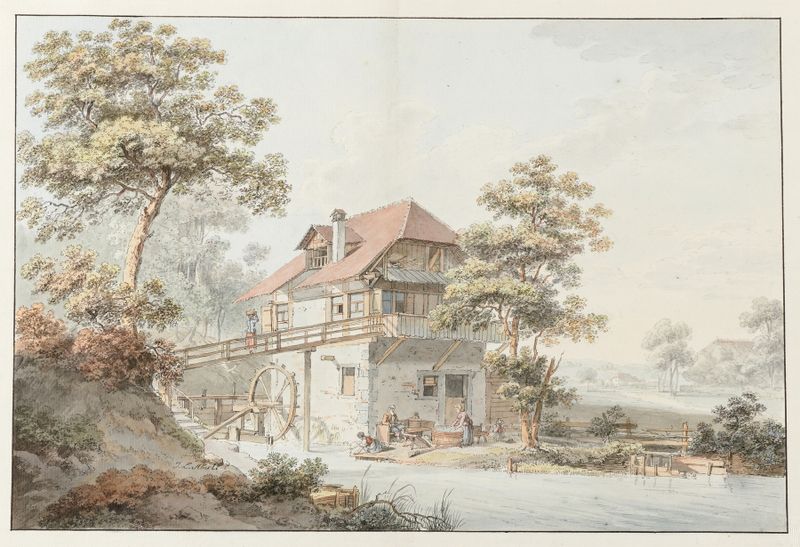
Ansicht einer Mühle im Berner Mittelland.
Johann Ludwig Aberli
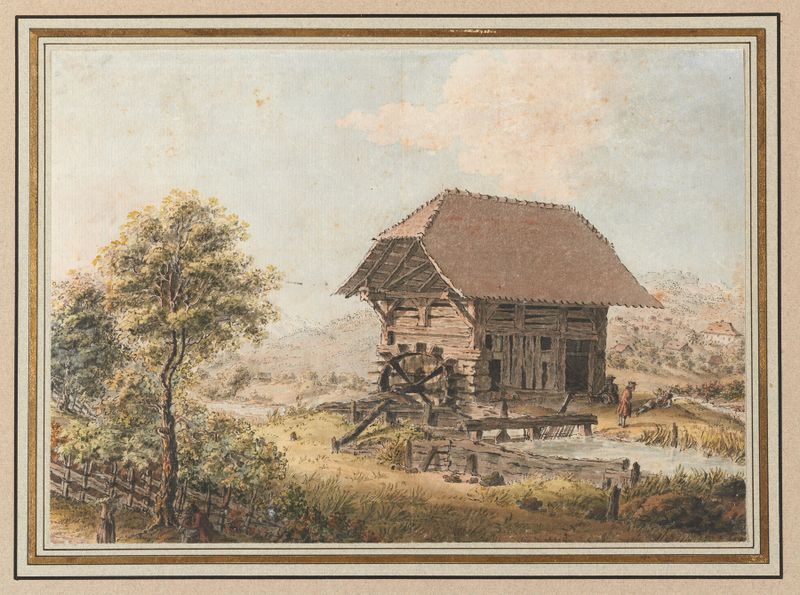
Ansicht einer Mühle im Berner Mittelland
Johann Ludwig Aberli
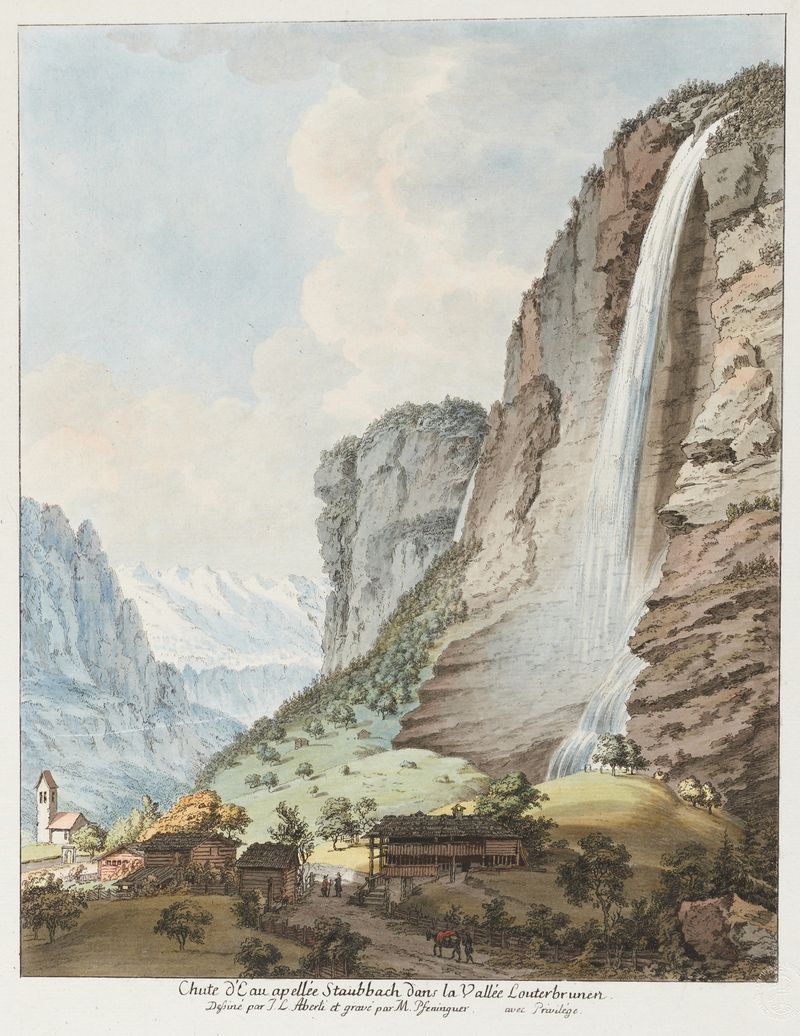
Chute d’Eau apellée Staubbach dans la Vallée Louterbrunnen
Johann Ludwig Aberli
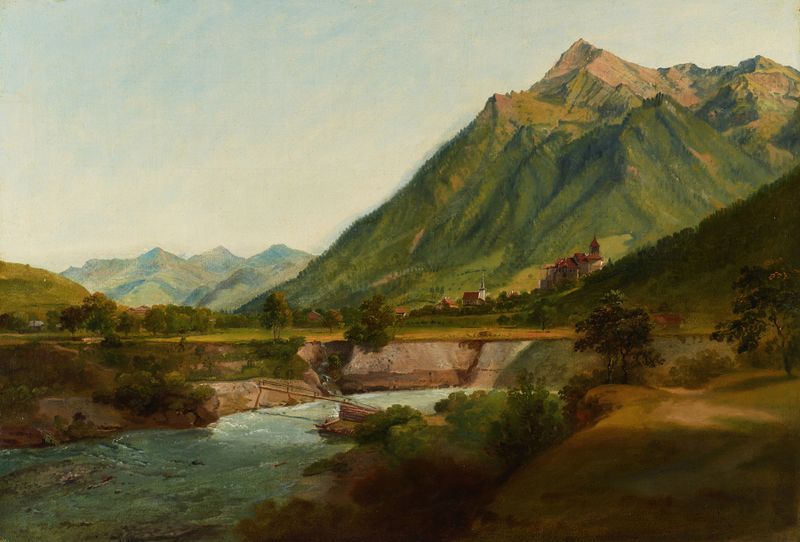
Vue du Château de Wimmis et des environs
Johann Ludwig Aberli
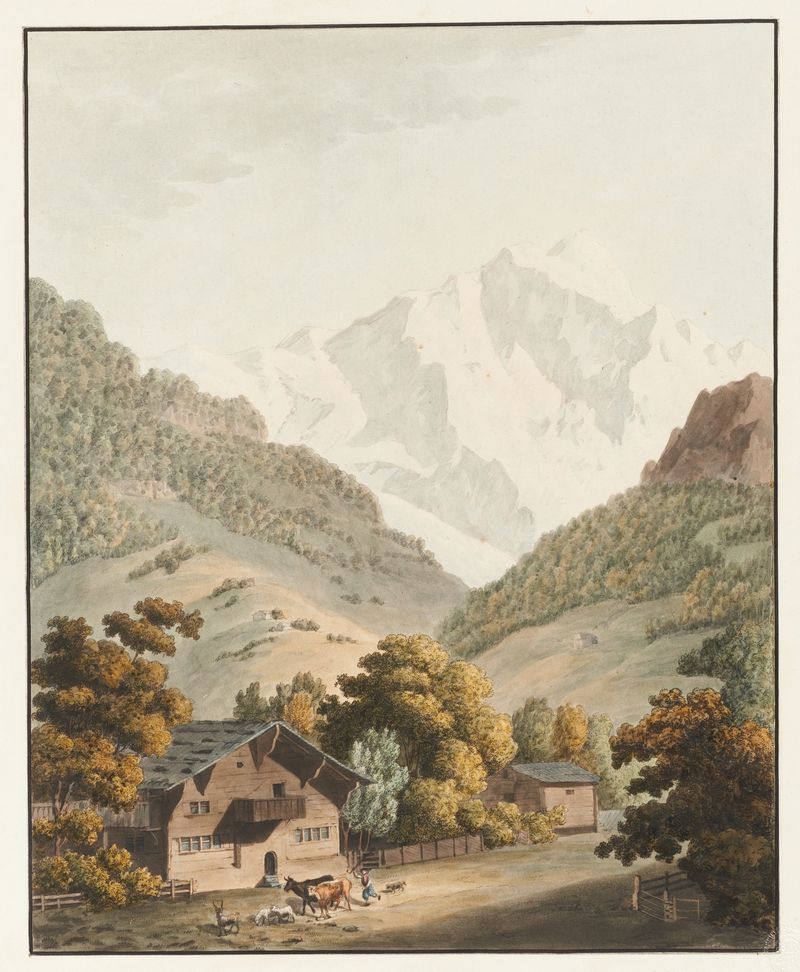
Vue du Jungfrau-Horn
Johann Ludwig Aberli
Vue du Village et du Lac de Brientz
Johann Ludwig Aberli
Bauernhaus im Berner Mittelland
Johann Ludwig Aberli





