
à Orbe — History & Facts
What if silence could speak through light? In the delicate dance of illumination and shadow, violence lurks beneath the surface of tranquility. Look to the left at the serene landscape, where soft greens and gentle blues cradle a seemingly peaceful scene. The brushwork is nuanced, capturing various textures—the smoothness of the water contrasting with the ruggedness of the distant hills. Notice how the light spills across the canvas, reflecting off the water’s surface, inviting the observer to linger, yet subtly hinting at an underlying tension that demands exploration. Hidden within the calmness are symbols of conflict and unease.
The darkening clouds coalesce at the horizon, whispering of a storm that might break the stillness. The figures in the foreground, engrossed in their labor, are unaware of the encroaching shadows that threaten their serene existence. This juxtaposition between tranquility and the foreboding elements emphasizes a fragile balance, inviting viewers to consider what lies beneath the serene façade. During an unspecified period in the 18th century, Aberli navigated the artistic currents of Switzerland, where such landscapes resonated with both realism and allegory.
It was a time of burgeoning Romanticism, where artists began to explore emotional depth and the interplay of nature and human experience. The absence of a specific date for this work allows it to stand as an emblem of the era’s complex relationship with the natural world, suggesting that even in moments of beauty, there may be shadows of violence waiting to be acknowledged.
More Artworks by Johann Ludwig Aberli
Browse all →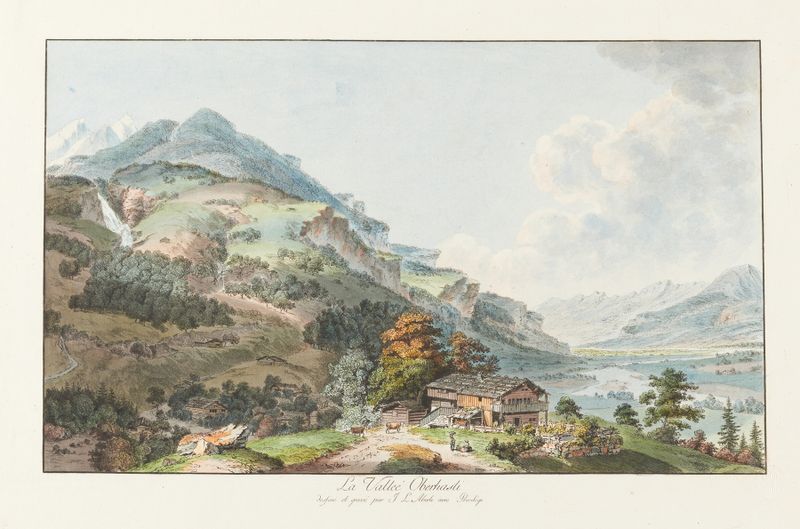
La Vallée Oberhasli
Johann Ludwig Aberli
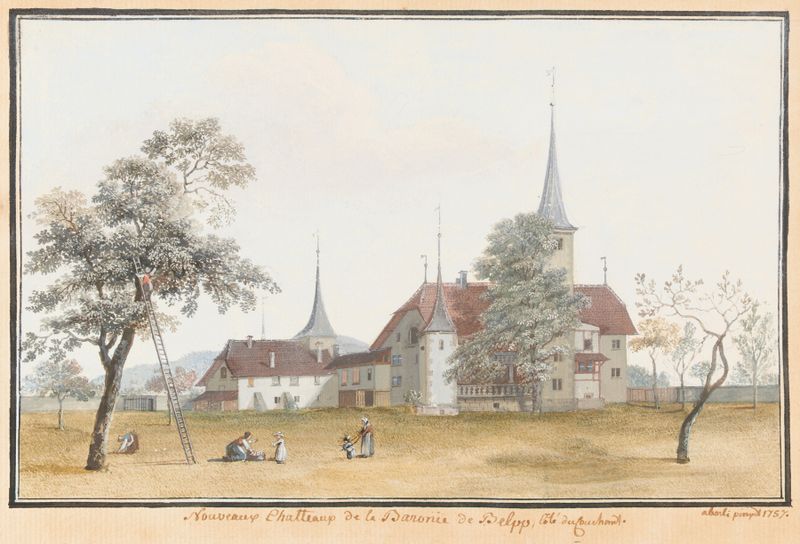
Nouveaux Chatteaux de la Baronie de Belpp; Côté du Couchant
Johann Ludwig Aberli
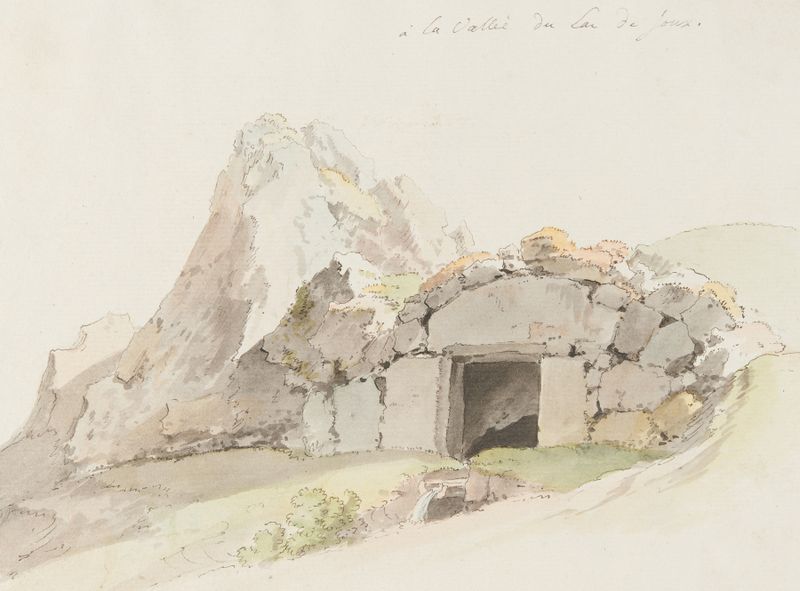
à la Vallèe du Lac de Joux
Johann Ludwig Aberli
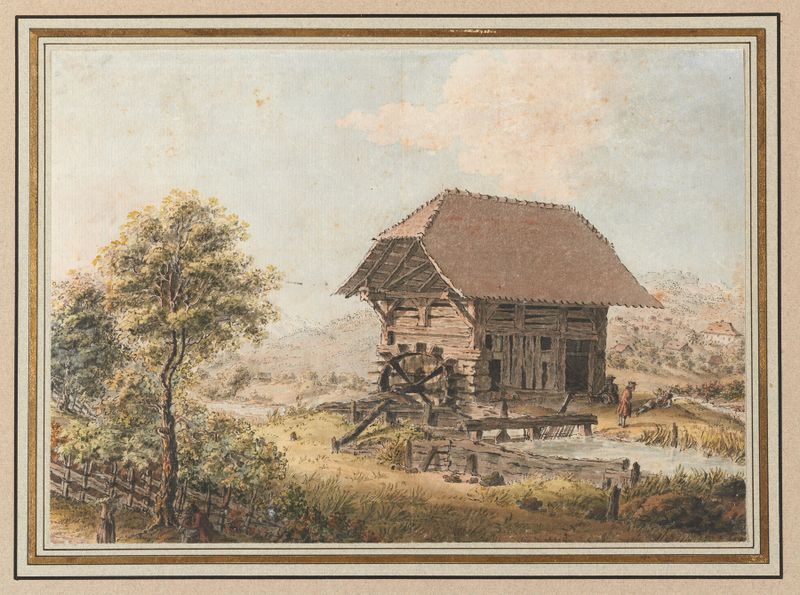
Ansicht einer Mühle im Berner Mittelland
Johann Ludwig Aberli
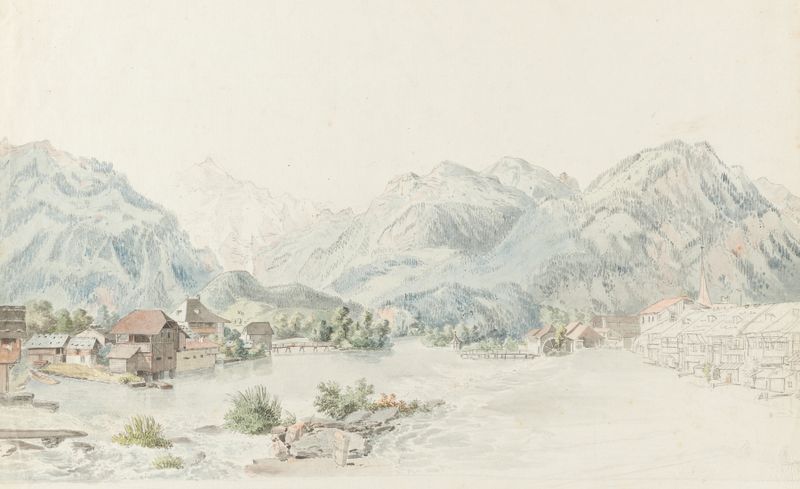
Ansicht von Unterseen
Johann Ludwig Aberli
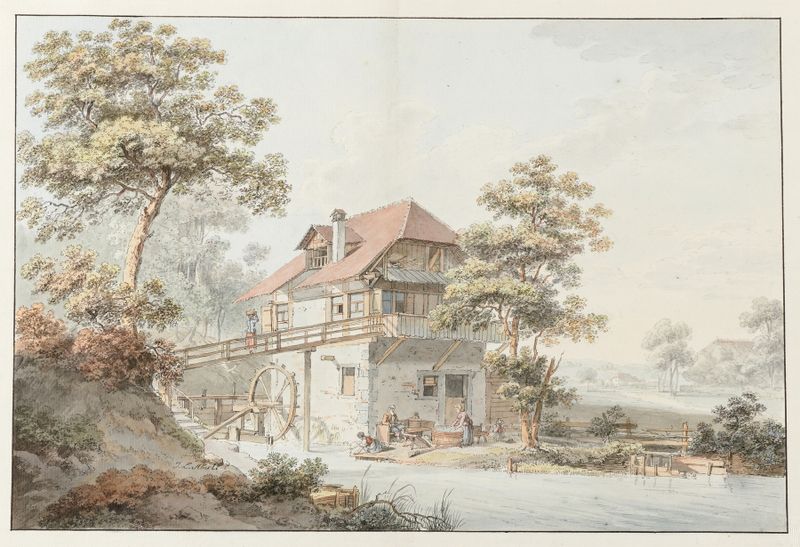
Ansicht einer Mühle im Berner Mittelland.
Johann Ludwig Aberli
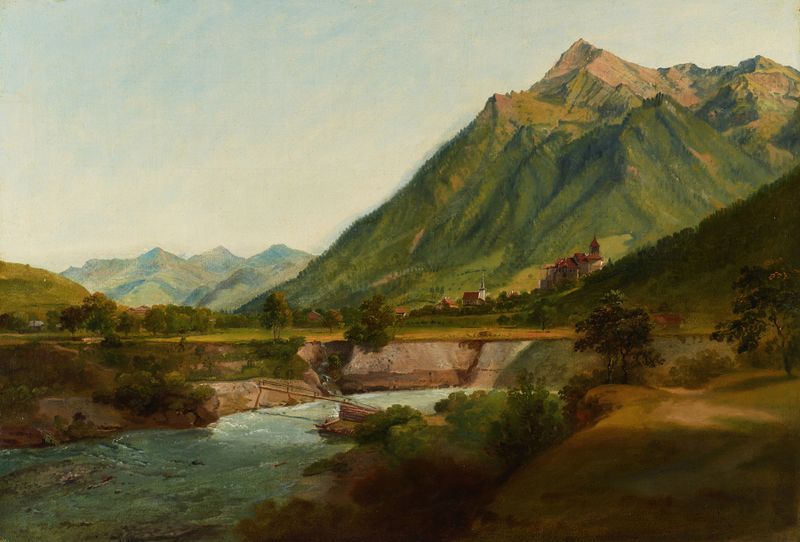
Vue du Château de Wimmis et des environs
Johann Ludwig Aberli
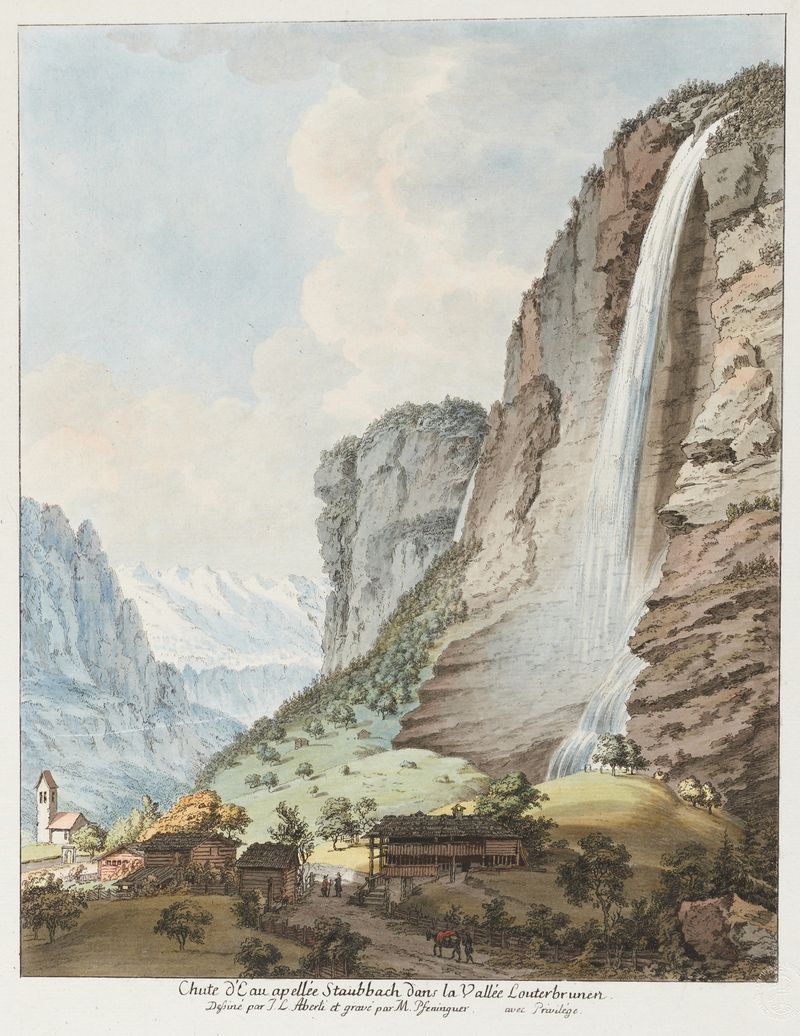
Chute d’Eau apellée Staubbach dans la Vallée Louterbrunnen
Johann Ludwig Aberli
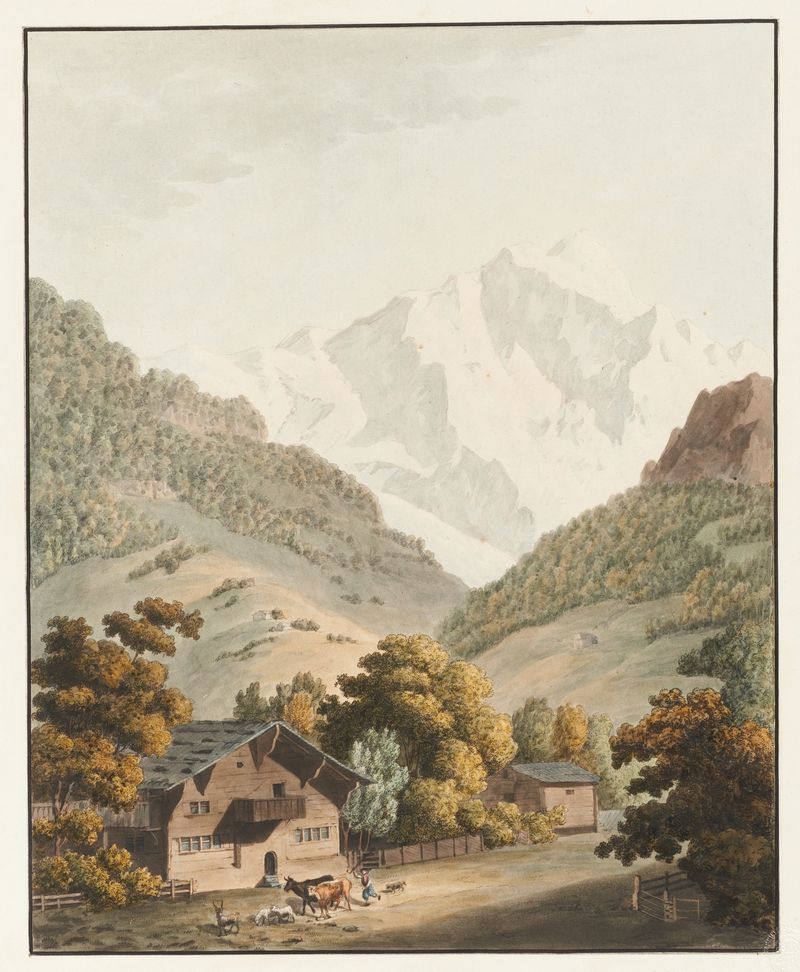
Vue du Jungfrau-Horn
Johann Ludwig Aberli
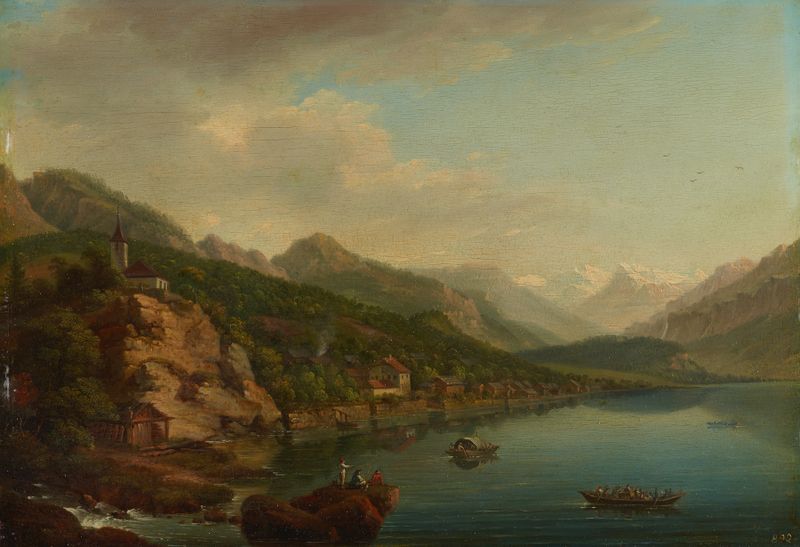
Vue du Village et du Lac de Brientz
Johann Ludwig Aberli





