A Bacchanalian Procession — History & Facts
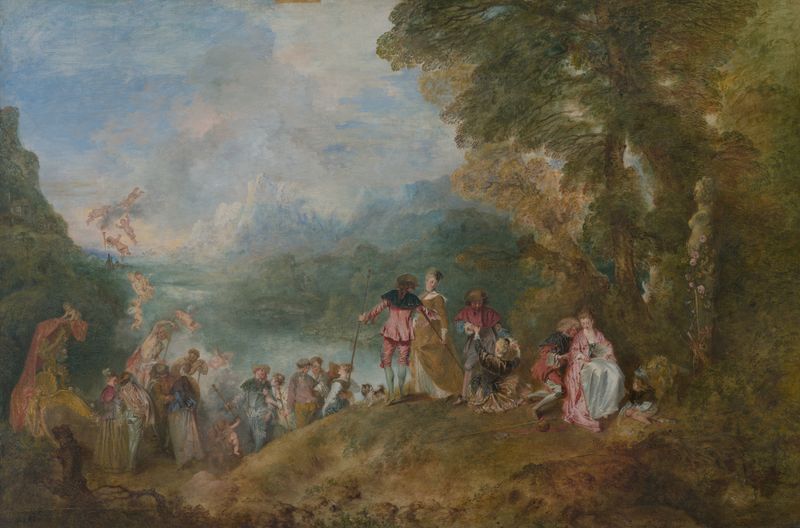
A vibrant throng surges forward, laughter mingling with the rustling of leaves and the clink of goblets. Revelers, adorned in flowing drapery, are swept up in a dance of exuberance, their arms raised in a joyous salute to the divine. Sunlight filters through verdant branches, igniting the scene with a warm glow, casting playful shadows that echo the spirit of abandon. Look to the left at the central figure—an enthroned deity, crowned with grapevines and exuding an aura of revelry and abundance.
Notice the contrasting hues of deep greens and rich golds that envelop the figures, underscoring their celebration of life. The composition spirals around the focal point, guiding the eye through a whirlwind of movement, from the whimsical gestures of dancers to the serene expressions of those in rapture, as if time itself has paused in this moment of ecstasy. Beneath the surface, the painting explores themes of hedonism versus restraint, as the raucous joy of the crowd contrasts sharply with the solemnity of nature surrounding them. Each figure tells a silent story of hope, suggesting that in the midst of chaos, there lies a longing for connection and transcendence.
The fusion of earthly pleasures and divine inspiration hints at the eternal dance between the spirit and the corporeal, urging viewers to reflect on their own pursuits of joy. In the late 19th century, amidst the backdrop of an evolving art world, A Bacchanalian Procession emerged from the brush of Nicolas-François Chifflart. Living in Paris during this time, he was influenced by the Romantic movement’s interest in emotion and nature, creating works that celebrated life and the human experience. This piece, emblematic of that ethos, captures a timeless celebration, echoing the collective desire for joy that transcends the ages.