A Bacchante — History & Facts
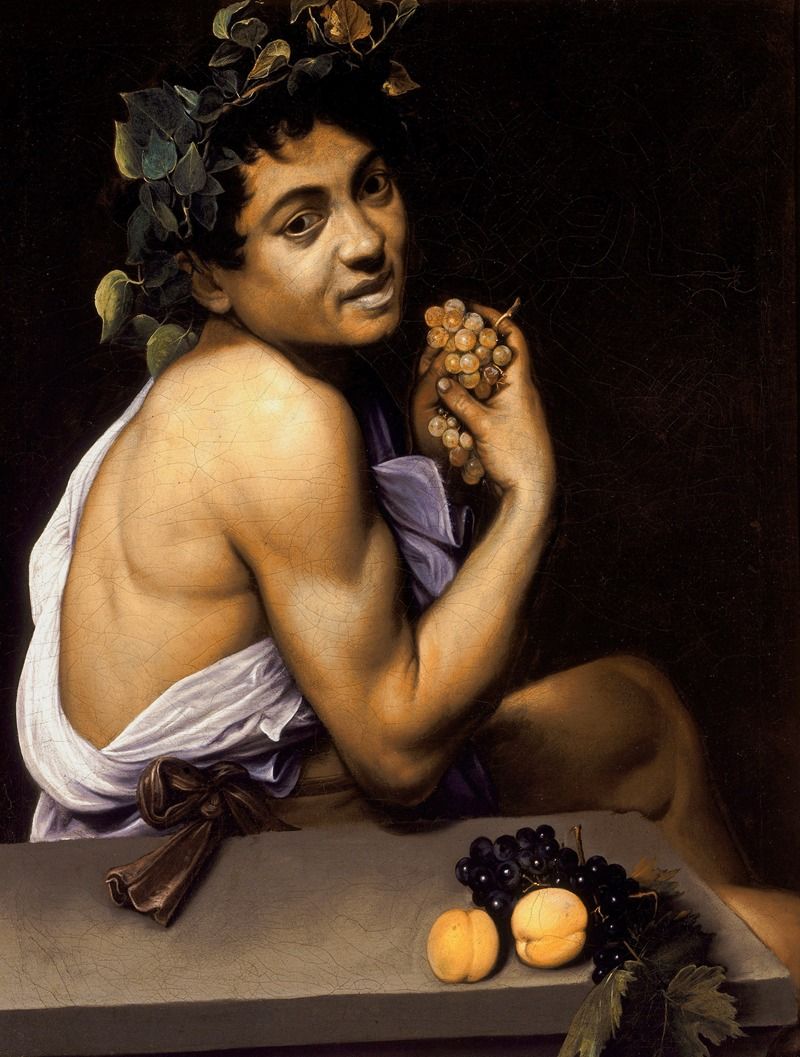
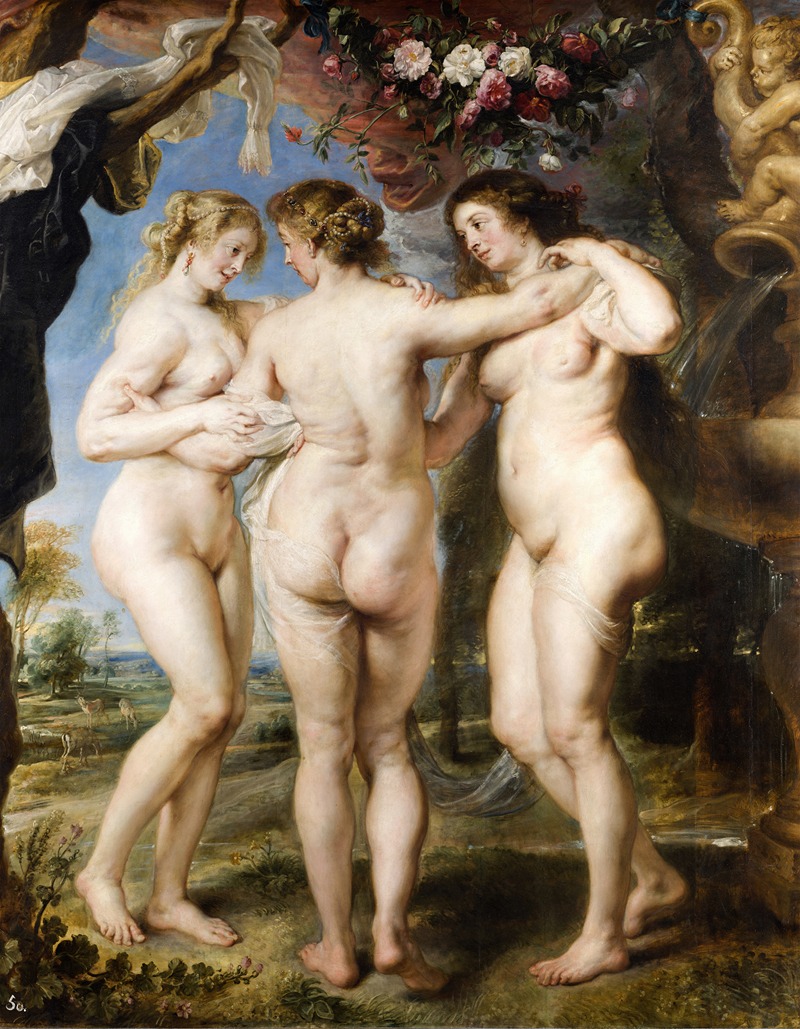
In a landscape defined by the clamor of existence, a moment of fragile intimacy unfolds, inviting reflection on the deeper currents of humanity. Focus on the figure at the center, adorned in flowing drapery that catches the light with a soft golden hue. The gentle curvature of her body suggests both movement and grace, while the delicate arrangement of flora around her hints at a connection to nature. Notice how the play of shadows enhances the contours of her form, creating a sense of depth that resonates with vulnerability. The juxtaposition of brightness and shadow reflects a tension between celebration and sorrow.
Each vine and flower cradles a hidden fragility, symbolizing the ephemeral nature of joy and existence itself. With an intoxicating gaze, the figure seems to balance on the precipice of ecstasy and despair, embodying the duality of life as she navigates between the rapture of Bacchus and the haunting specter of what lies beyond. Created during a period of great experimentation in the arts, the artist painted this work in a time when Romanticism was beginning to take hold. Although the exact date remains undetermined, it stands as a testament to the exploration of emotion and the human condition.
The artist, influenced by the classical ideals of beauty, sought to capture the essence of his subjects—not just their physical form, but their inner lives, as the tumult of the outside world loomed large.