
A Canal at Venice — History & Facts
Could a single brushstroke hold eternity? In A Canal at Venice, the stillness of the moment invites contemplation, echoing the emptiness that lingers just beneath the surface of life. Look to the left at the gentle curve of the canal, where the water slumbers under a soft veil of light. Notice how the artist masterfully captures the reflections of the aged buildings, their weathered facades merging with the liquid surface, creating an ethereal dance of color. The muted palette—whispers of blue and gray—evokes a sense of tranquility while the brushwork, both fluid and deliberate, guides your gaze along the waterway, inviting you to follow the winding path into the heart of the scene. Yet, beneath this serene exterior lies a poignant tension.
The absence of human figures amplifies the haunting quality of the landscape, suggesting a world that feels abandoned, as if time has momentarily paused. Each brushstroke, while meticulous, hints at the emotional void experienced in solitude. The contrast between the vibrant life of Venice and the stillness of this particular moment raises questions about connection, presence, and isolation. In 1921, while creating this work, the artist found himself amidst the flourishing movements of impressionism and post-impressionism, drawing inspiration from the changing light of Venice.
This period marked a significant transition in the art world, where artists began to explore the interplay of color and form over strict realism. MacLaughlan's exploration of these themes, combined with his personal experiences, birthed a painting that resonates with both beauty and melancholy.
More Artworks by Donald Shaw MacLaughlan
Browse all →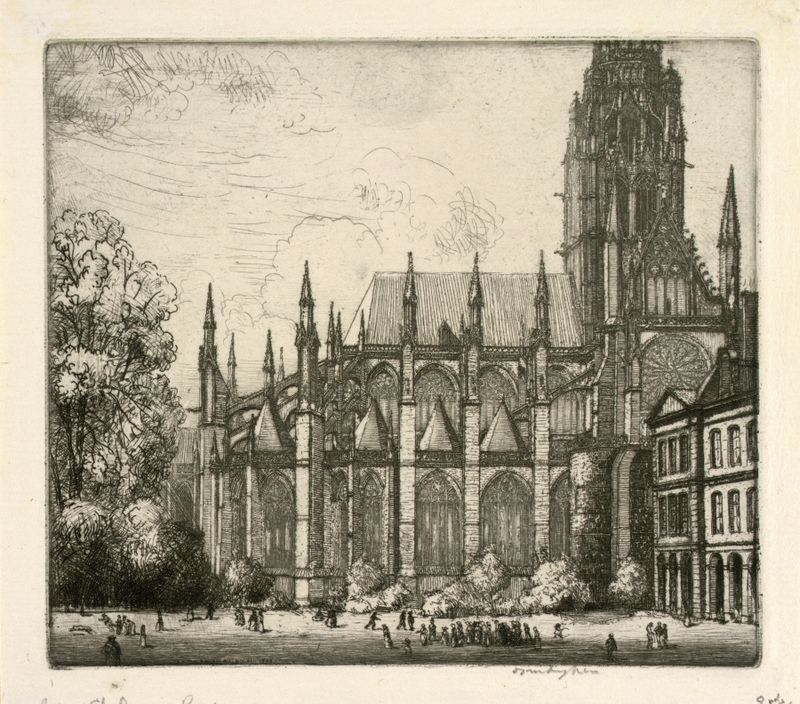
Saint-Ouen, Rouen
Donald Shaw MacLaughlan

Ruelle des Pigeons, Rouen
Donald Shaw MacLaughlan
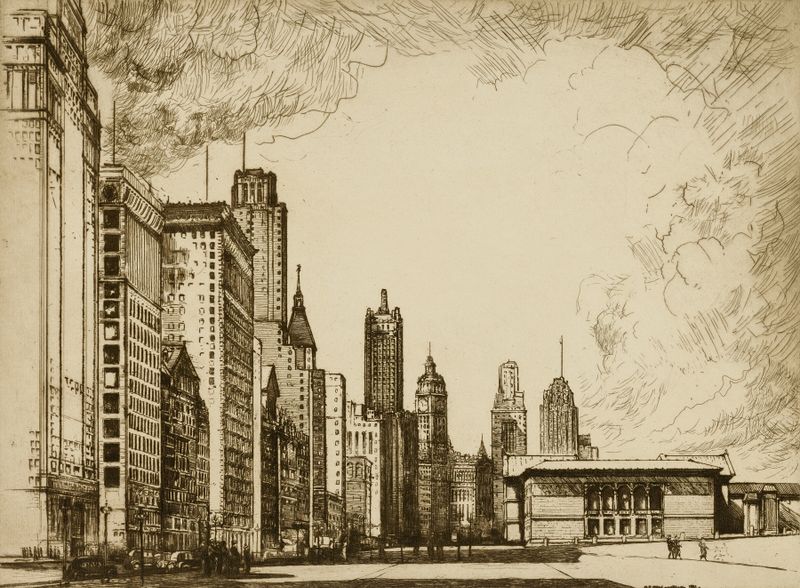
Chicago, Michigan Avenue no. 2
Donald Shaw MacLaughlan
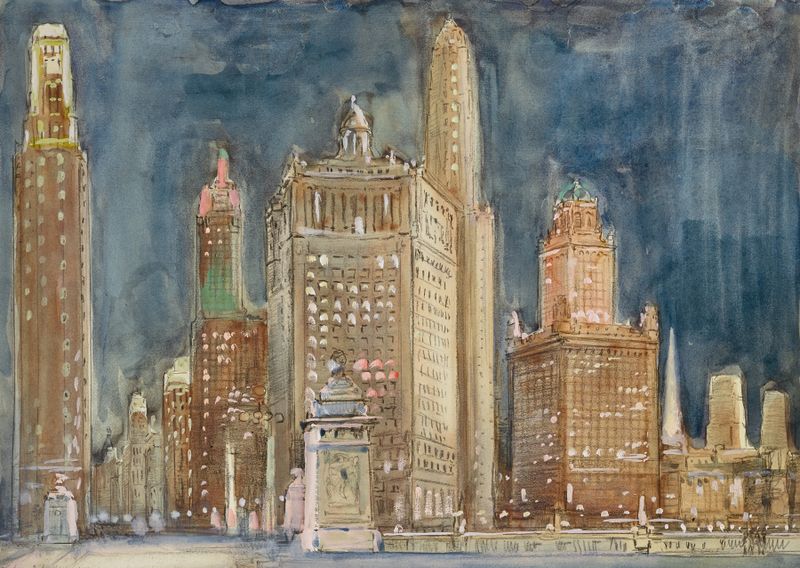
Chicago, London Guaranty Building
Donald Shaw MacLaughlan
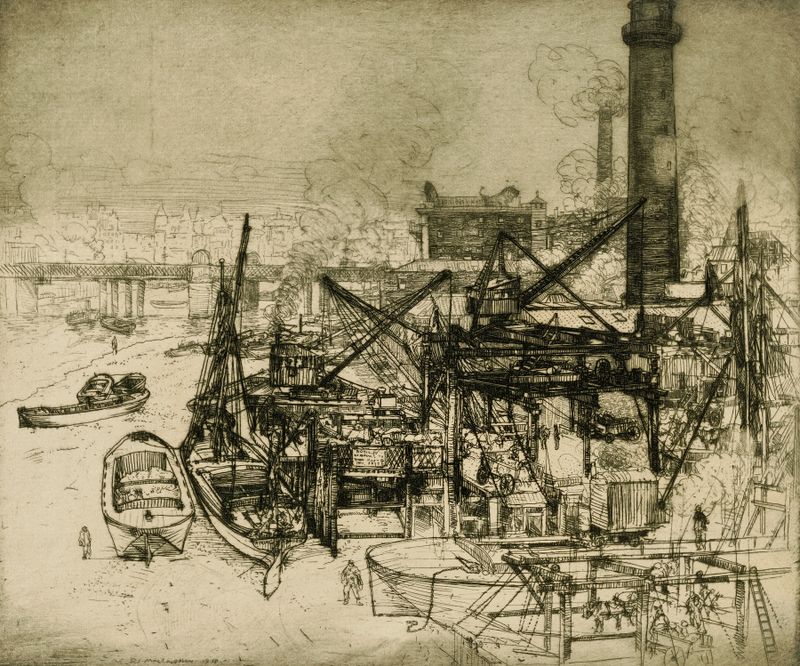
Chimneys and Cranes on the Thames
Donald Shaw MacLaughlan

London on the Thames
Donald Shaw MacLaughlan
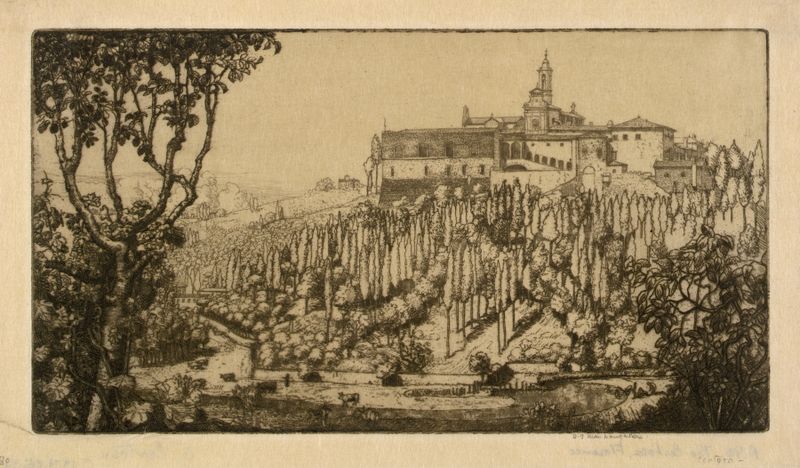
The Certosa, Florence
Donald Shaw MacLaughlan
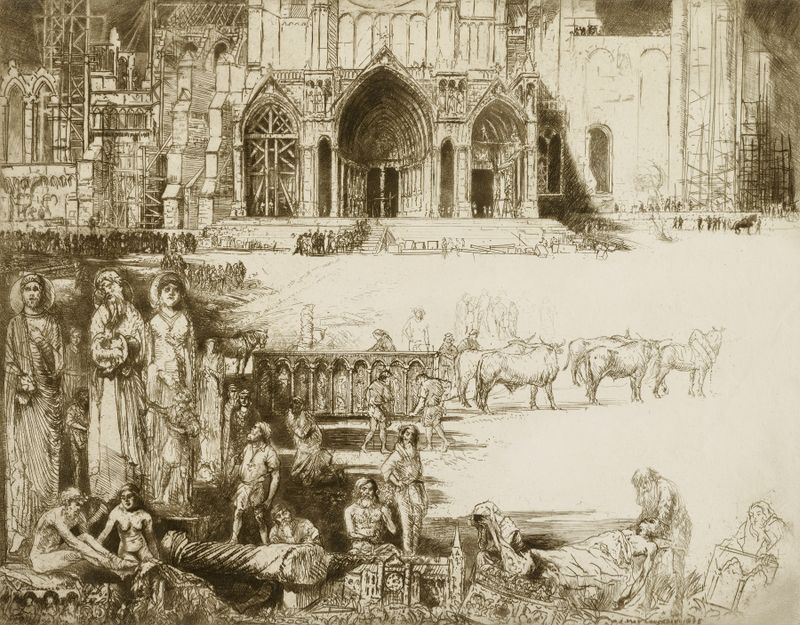
The Builders of Chartres Cathedral
Donald Shaw MacLaughlan

The Canal Life, Venice
Donald Shaw MacLaughlan
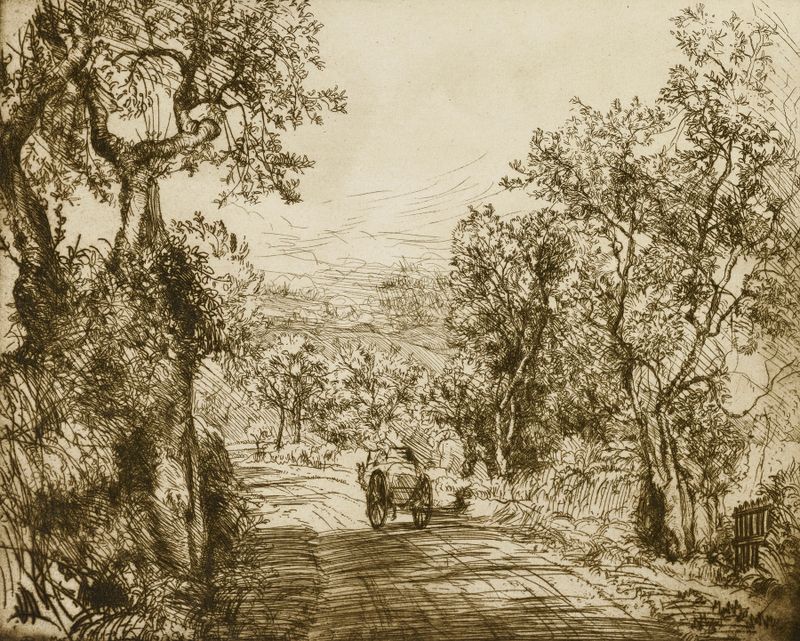
Road Song no. 2
Donald Shaw MacLaughlan





