
A canal in Venice — History & Facts
Who listens when art speaks of silence? In A Canal in Venice, the essence of stillness envelops the viewer, inviting a contemplative pause amidst the bustling chaos of life. Look to the left at the gentle ripples of the water, where the soft hues of blue and green conjure an evocative mirror of the Venetian sky. The brushwork is delicate yet precise, revealing the artist’s deft ability to capture light's fleeting dance across the surface. Notice how the buildings, rendered in warm earth tones, lean toward the water as if drawn by its calming presence, creating a harmonious balance between architecture and nature. Beneath the tranquil surface lies a tension between reality and illusion.
The reflections in the canal suggest an otherworldly quality, where the familiar becomes mesmerizingly abstract. The contrast of stillness against the potential movement of boats and people evokes the transient nature of time, inviting viewers to ponder the stories held within that silence. Each brushstroke hints at the duality of existence—where beauty and impermanence reside side by side. In 1909, Joseph Edward Southall created this work at a time when the world of art was increasingly embracing modernity, yet retaining a connection to traditional themes.
Living in England, he was influenced by the Arts and Crafts movement, which emphasized craftsmanship and aesthetic simplicity. This piece reflects both his personal exploration of color and form as well as a broader artistic dialogue, resonating with a growing interest in Impressionism while remaining rooted in his unique vision.
More Artworks by Joseph Edward Southall
Browse all →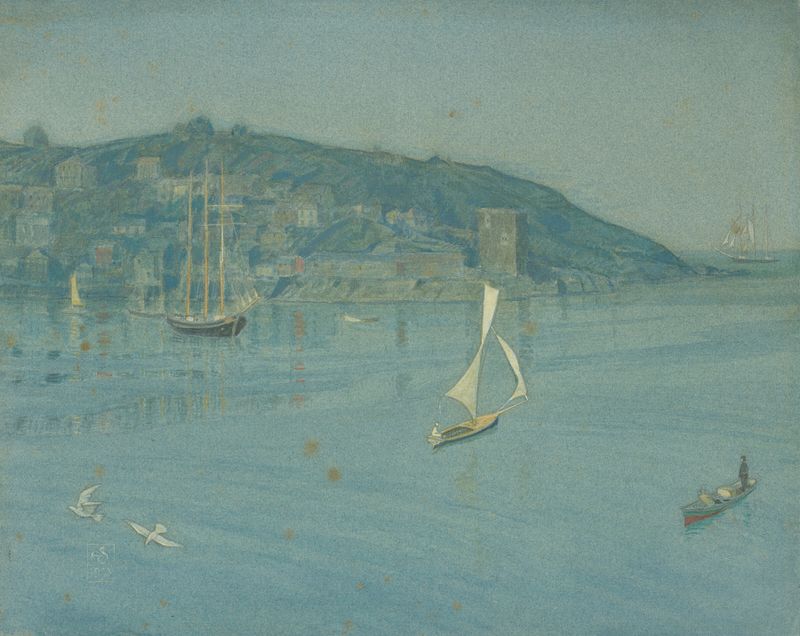
View of Polruan across the Fowey estuary, Cornwall
Joseph Edward Southall

Notre-Dame and the Seine
Joseph Edward Southall
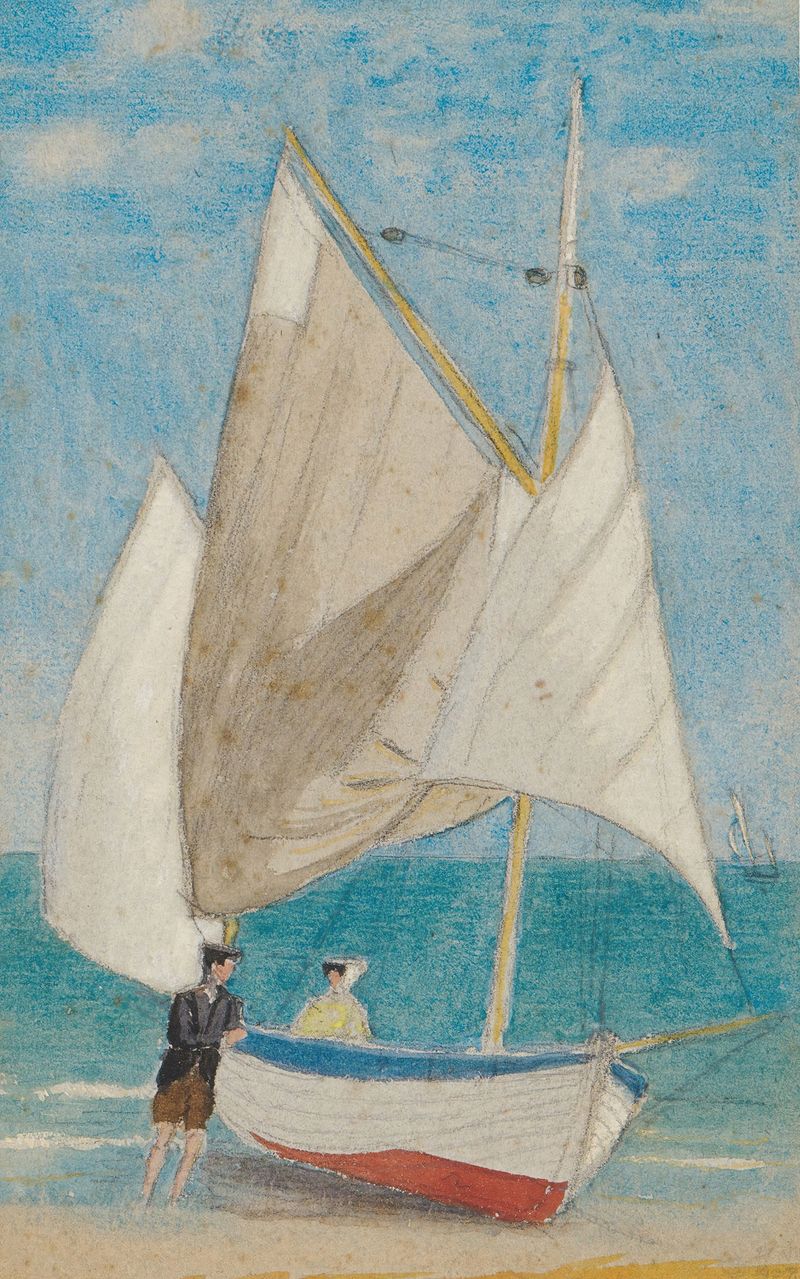
A Fishing Boat
Joseph Edward Southall
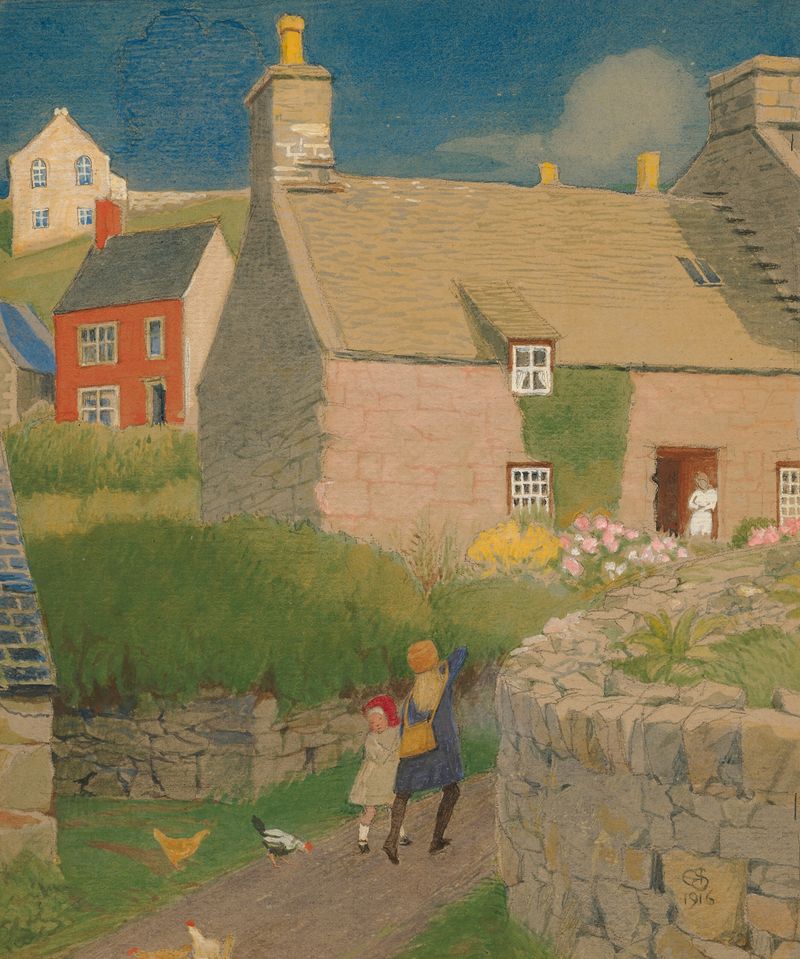
The Mill Cottage, Harlech, North Wales
Joseph Edward Southall
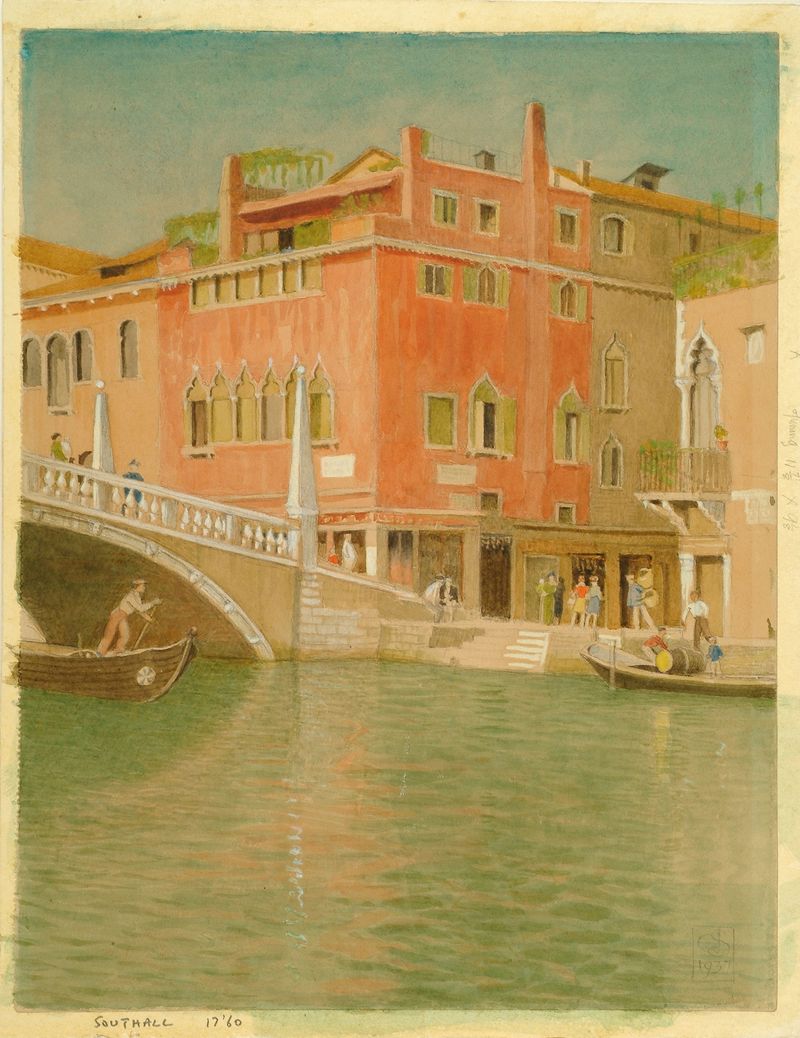
Ponte Cannareggio, Venice, Italy
Joseph Edward Southall
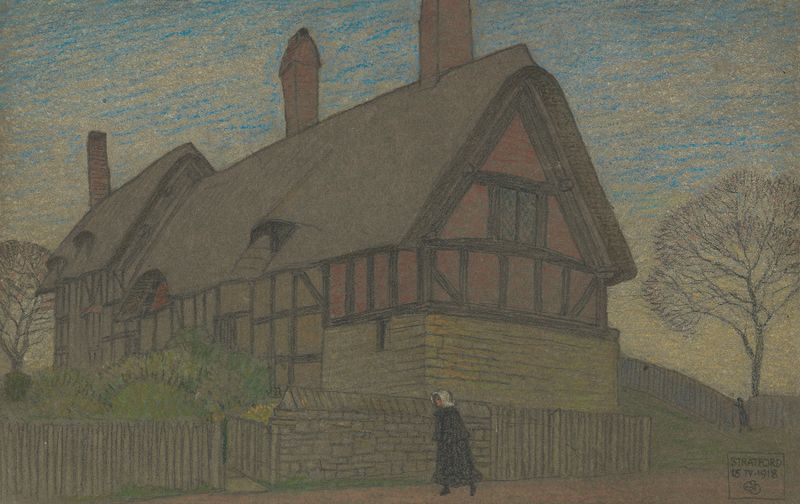
Ann Hathaway’s cottage, Stratford
Joseph Edward Southall
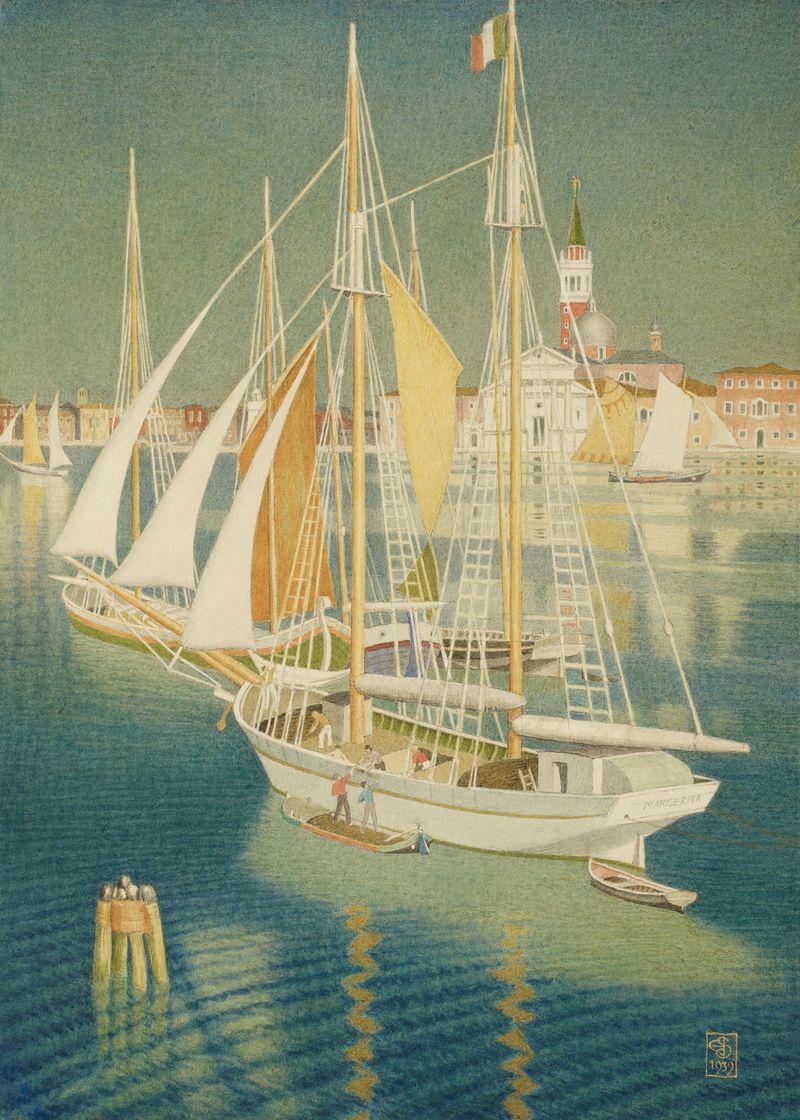
Ships from the Adriatic, Venice
Joseph Edward Southall

Rio Della Guerra, Venice
Joseph Edward Southall
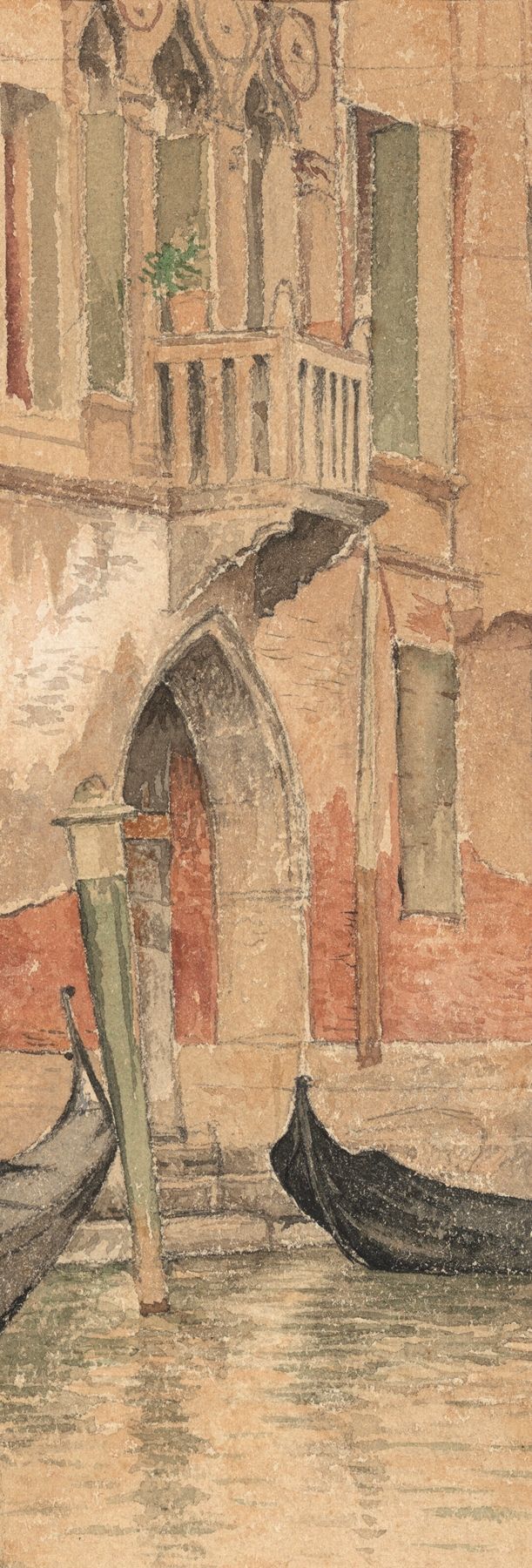
Marco Polo’s house, Venice, Italy
Joseph Edward Southall
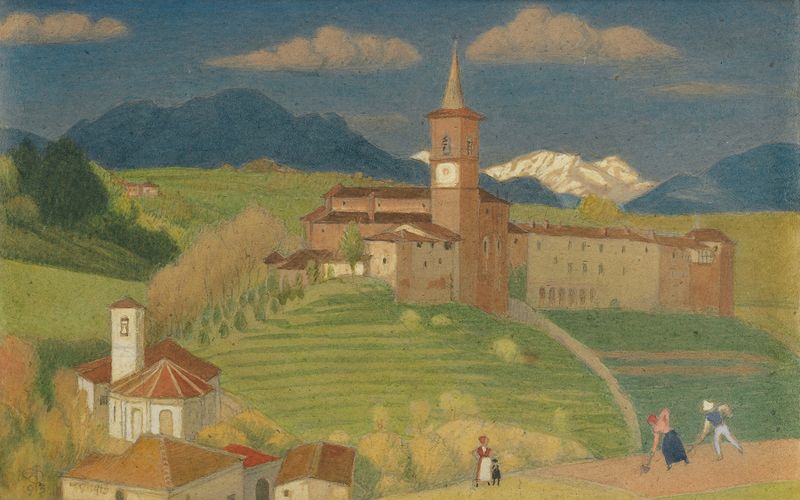
Castiglione D’Olona, Lombardy
Joseph Edward Southall





