
Ann Hathaway’s cottage, Stratford — History & Facts
Could beauty survive in a century of chaos? Notice how the shadows stretch across the verdant lawn, subtly framing Ann Hathaway’s cottage in a delicate embrace. Look to the left, where the petals of blooming flowers burst forth in vibrant hues, their color a stark contrast to the muted tones of the cottage's weathered walls. The artist employs a soft palette, allowing gentle greens and warm browns to blend, creating a serene atmosphere that invites quiet contemplation.
The composition leads the eye towards the inviting door, a portal into history and warmth. The interplay of light and shadow reveals a profound tension between nature and man-made structure. Shadows dance playfully across the ground, hinting at the passage of time, while the sturdy timber of the cottage stands resolute against the backdrop of shifting seasons. These contrasts embody the dualities of stability and transience, inviting viewers to ponder what remains amidst the relentless march of time.
The delicate details of the surrounding flora evoke a sense of nostalgia, reminding us of the beauty that can thrive even in tumultuous times. In 1918, Joseph Edward Southall painted this work during a period marked by the aftermath of World War I, a time of reflection and change in the art world. Living in England, Southall was immersed in the Arts and Crafts movement, which emphasized craftsmanship and the beauty of everyday life. This painting captures a moment of tranquility, a stark contrast to the chaos of the outside world, embodying the spirit of resilience and the enduring nature of beauty.
More Artworks by Joseph Edward Southall
Browse all →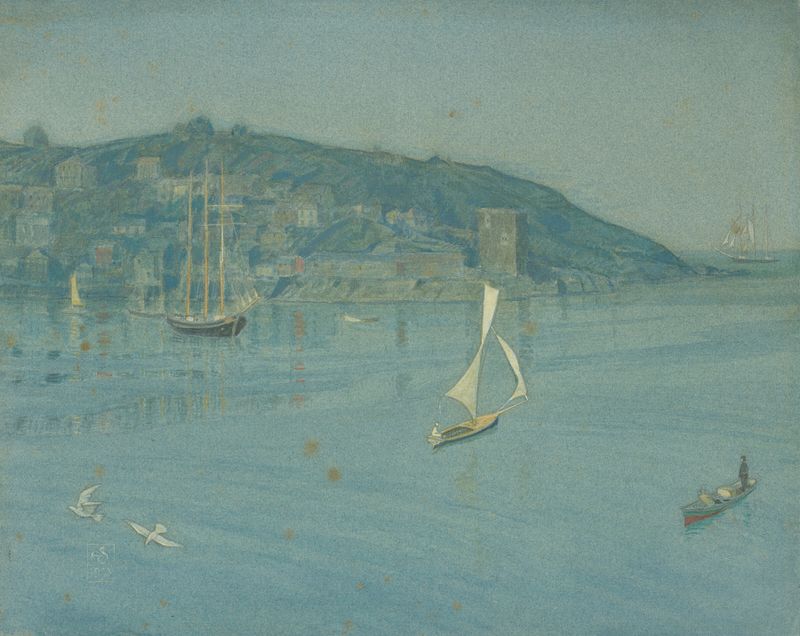
View of Polruan across the Fowey estuary, Cornwall
Joseph Edward Southall

Notre-Dame and the Seine
Joseph Edward Southall
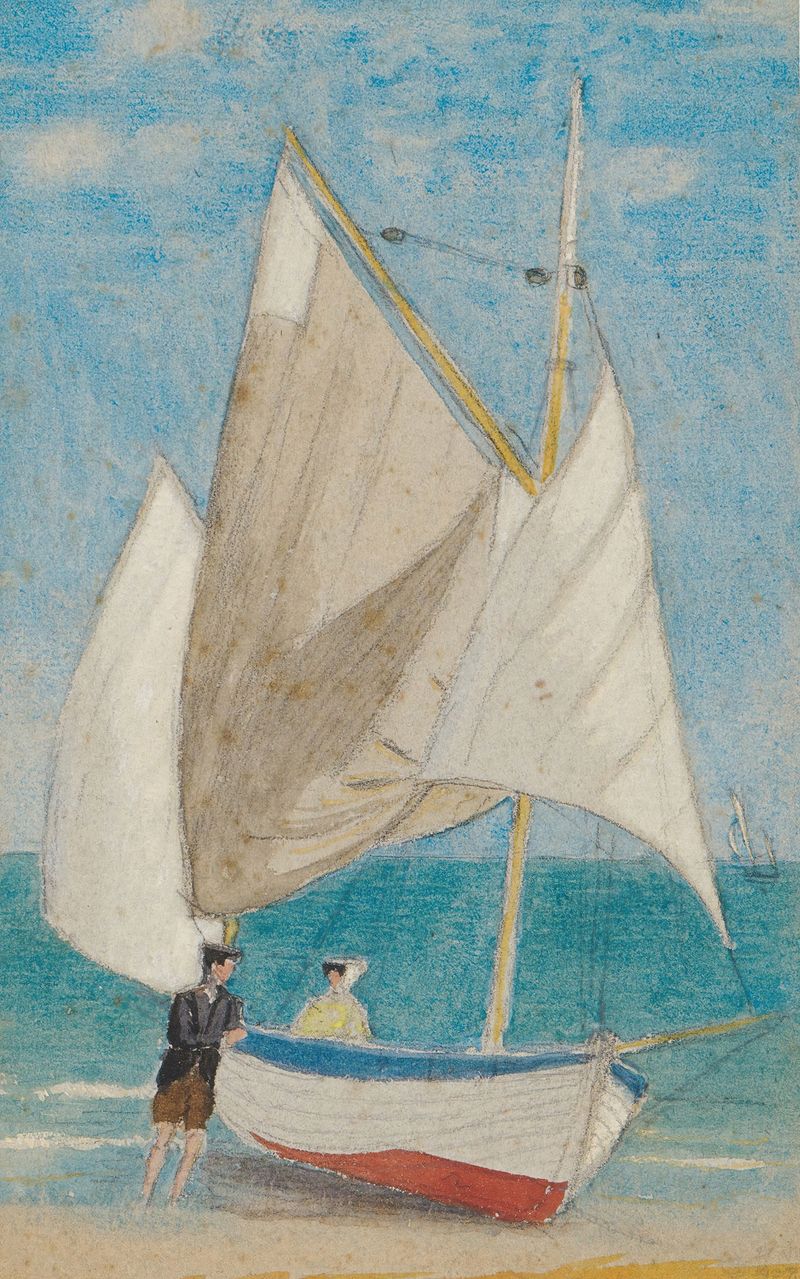
A Fishing Boat
Joseph Edward Southall
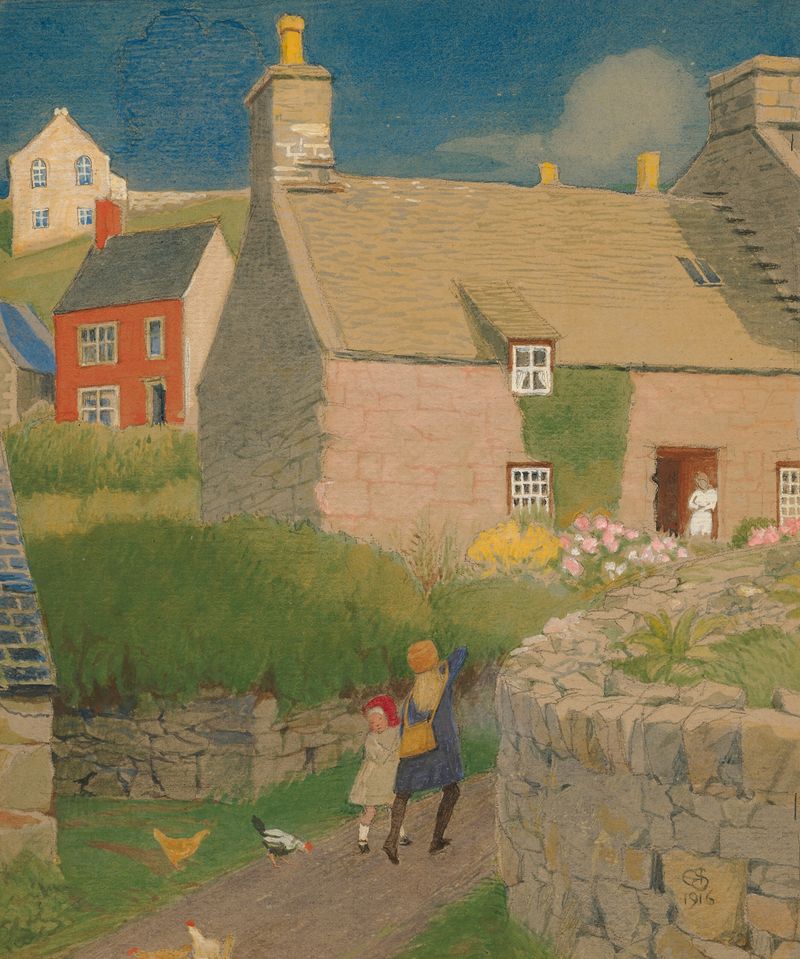
The Mill Cottage, Harlech, North Wales
Joseph Edward Southall
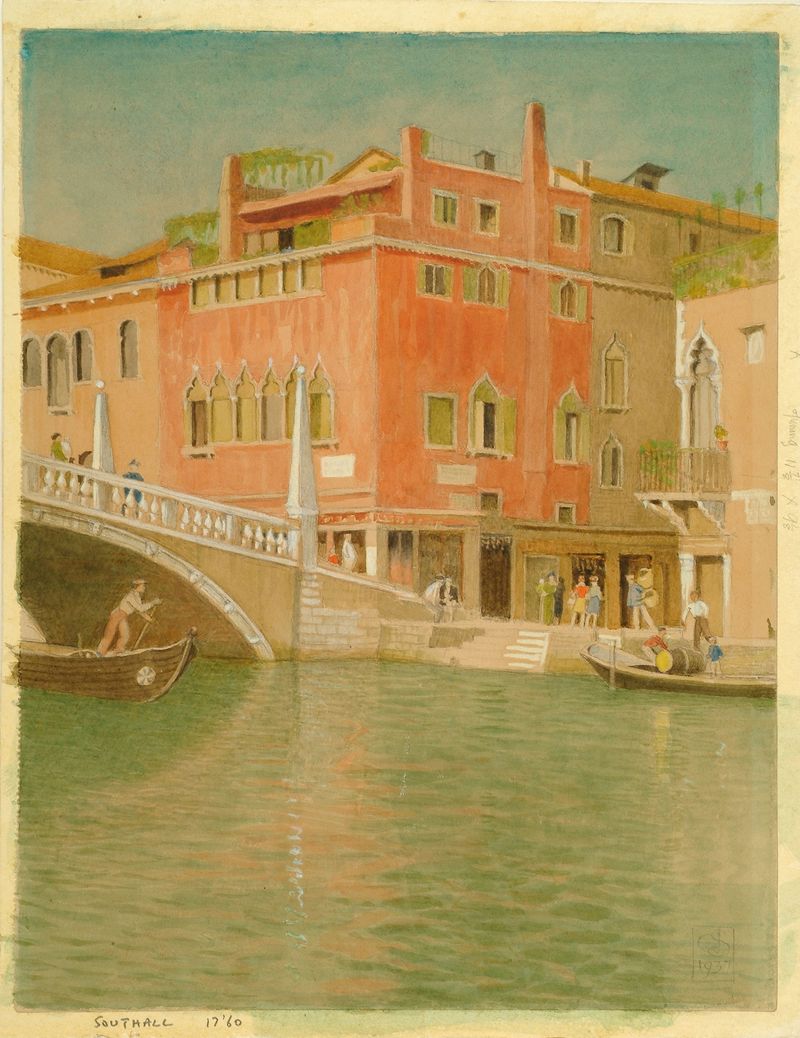
Ponte Cannareggio, Venice, Italy
Joseph Edward Southall
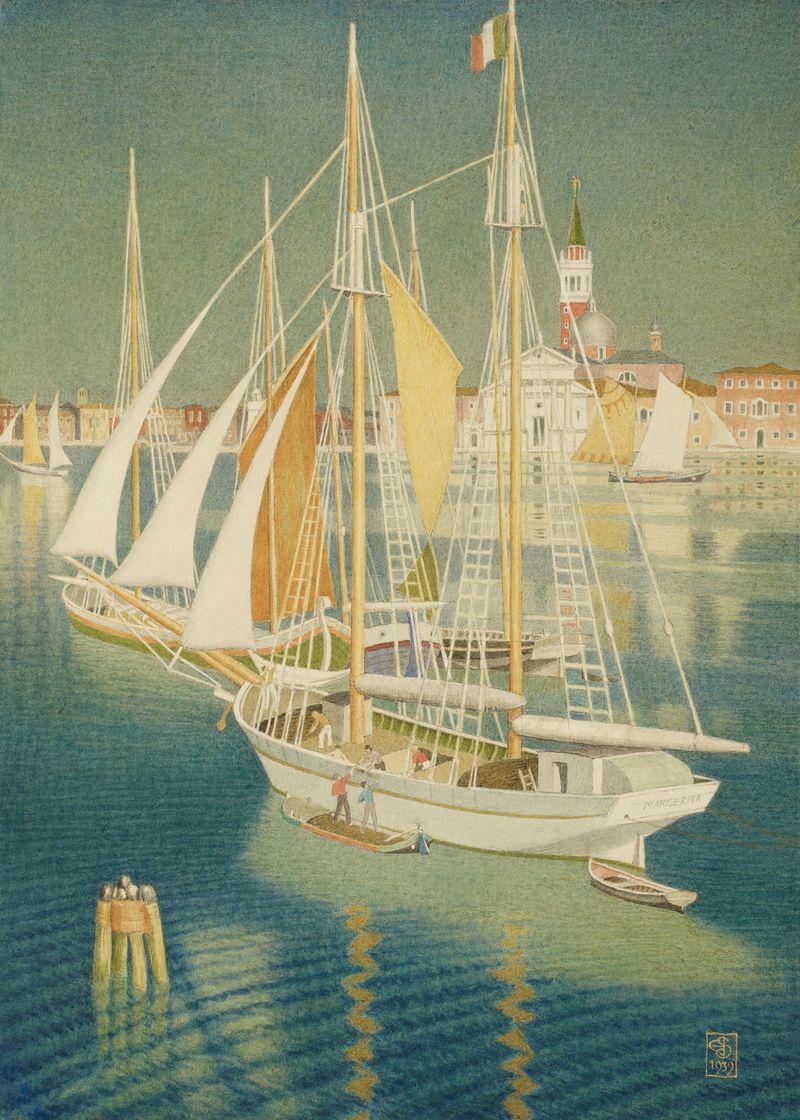
Ships from the Adriatic, Venice
Joseph Edward Southall

Rio Della Guerra, Venice
Joseph Edward Southall
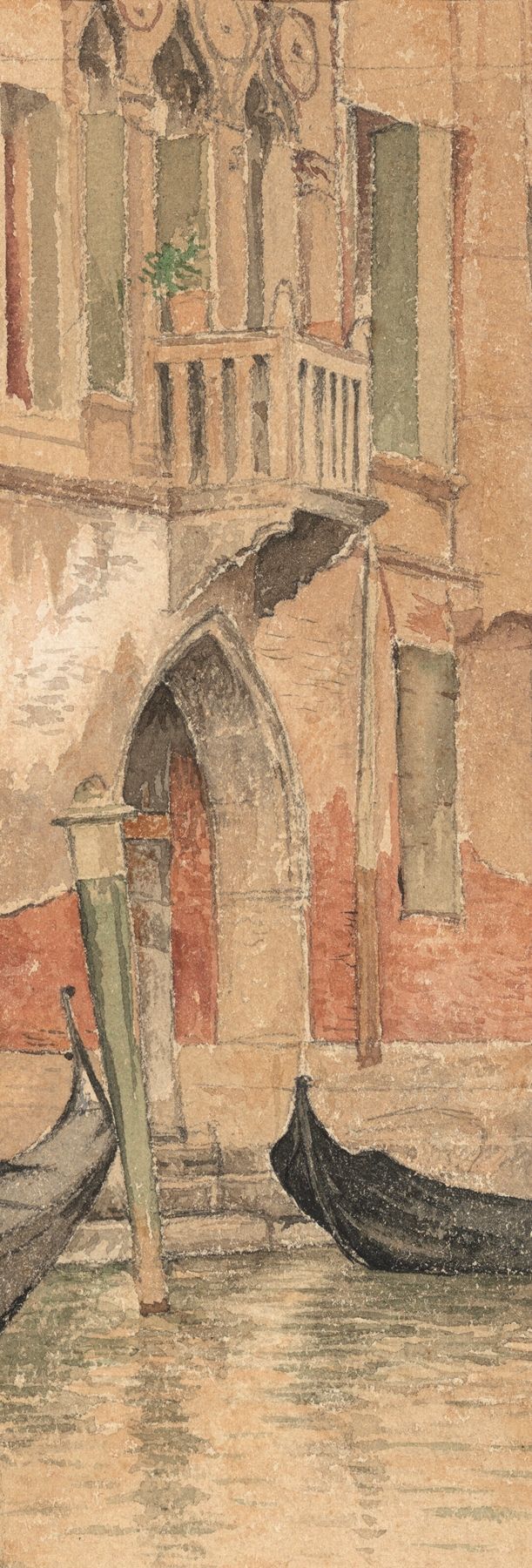
Marco Polo’s house, Venice, Italy
Joseph Edward Southall
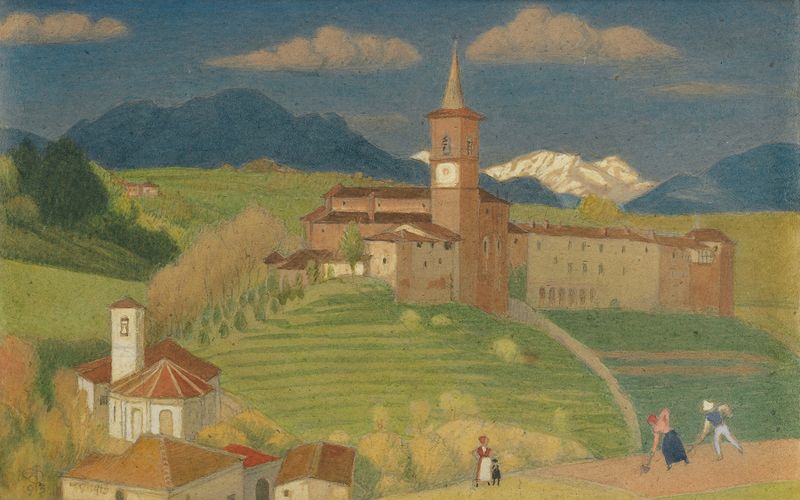
Castiglione D’Olona, Lombardy
Joseph Edward Southall
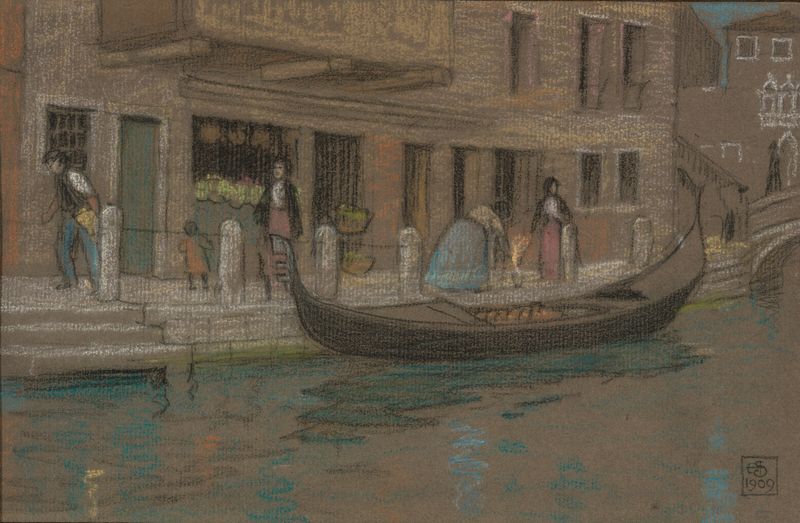
A canal in Venice
Joseph Edward Southall





