A Capriccio Of The Internal Courtyard Of A Ruined Palace With The Miracle Of Saint Paul — History & Facts
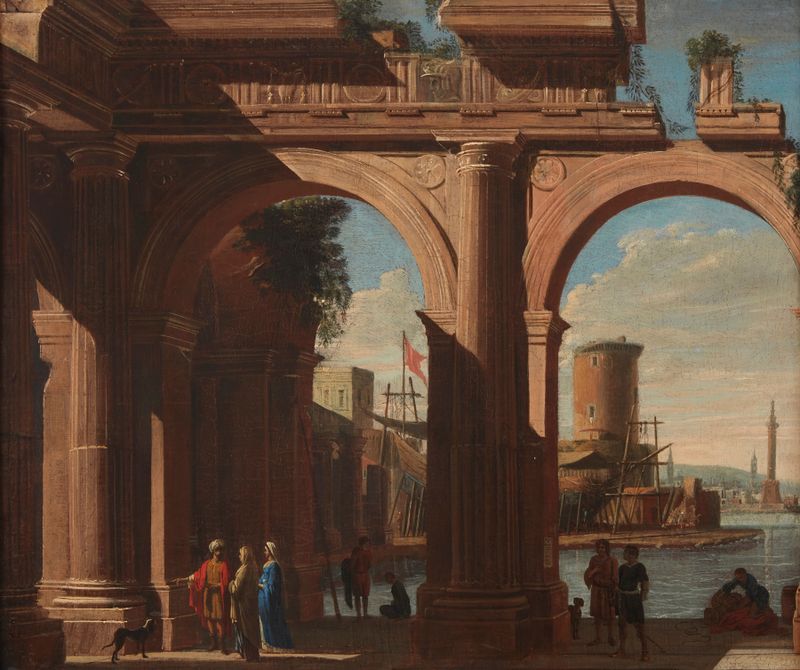
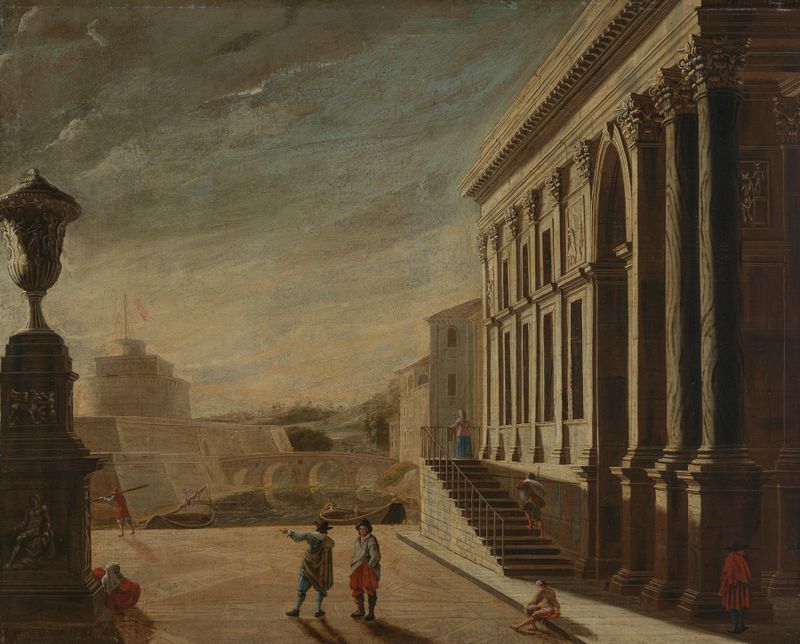
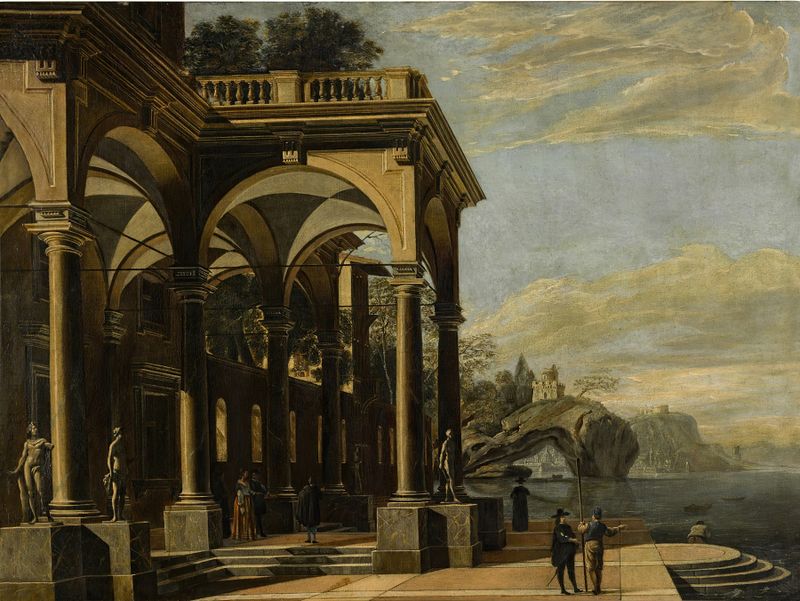
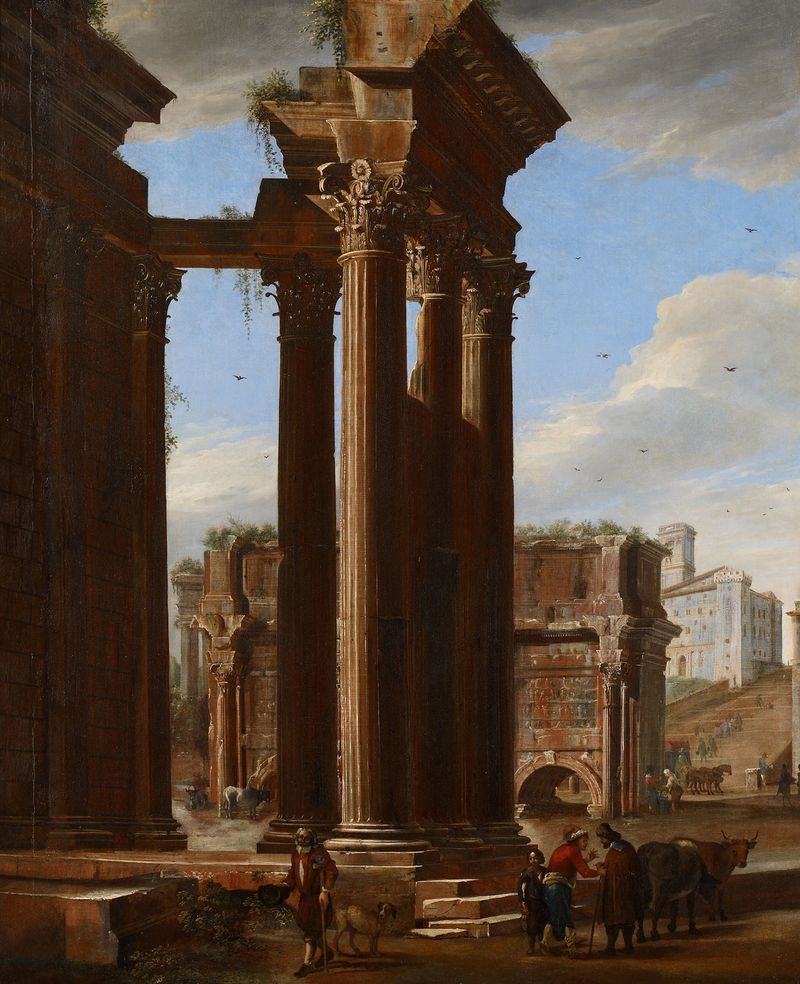
Amidst crumbling stone, flickering shadows dance across the remnants of a once-grand courtyard. A group of onlookers gathers, their faces etched with awe and trepidation as a miraculous moment unfolds before them. Light spills through shattered arches, illuminating both the splendor and decay, while hushed voices murmur, caught between the sacred and the profane. Look to the left, where the strong lines of the architecture draw your eye upwards, leading to the intricately painted frescoes that tell stories of glory now faded.
The rich palette, with deep ochres and muted blues, contrasts sharply with the rubble at their feet, emphasizing the fragility of beauty. Notice how the figures hover in suspended awe, hands raised in reverence or disbelief, capturing the tension of this miraculous event amid the palace's ruinous state. In this juxtaposition lies a profound commentary on restoration and destruction. The violence of time is evident, yet the miracle is a reminder of hope shining through adversity.
The emotional weight of the scene reflects humanity’s eternal struggle — to find the divine within the shattered remains of life. Each gesture, each glance of the spectators, encapsulates a duality: reverence for the miracle and sorrow for the loss. Painted during a time when the Baroque style was flourishing, Codazzi’s work reflects the cultural shifts of the 17th century in Italy. Emerging from a period marked by conflict and transformation, he captured the tension between grandeur and ruin, mirroring the fragility of the human experience in a world of upheaval.
His ability to blend architectural detail with narrative depth marks a significant contribution to the evolving art scene of his era.