A clearing in the forest — History & Facts
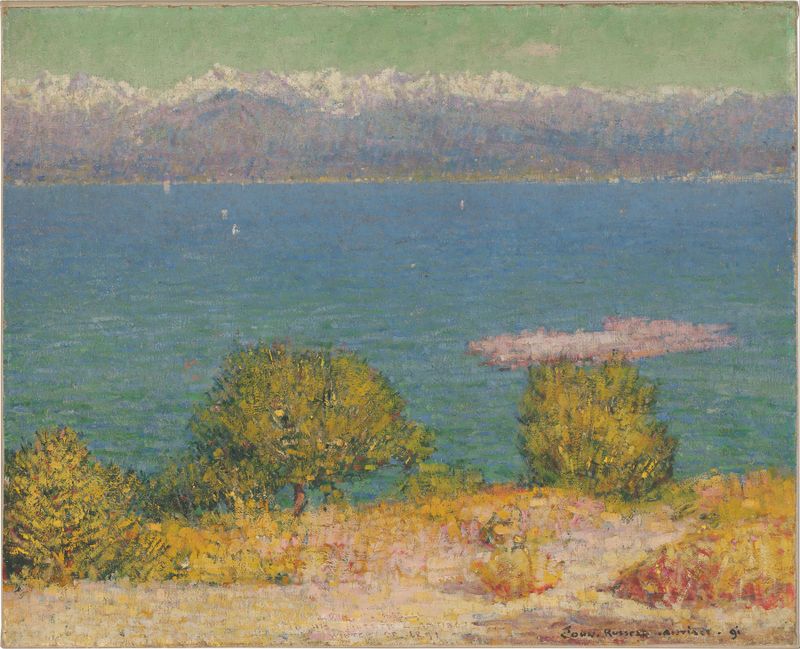
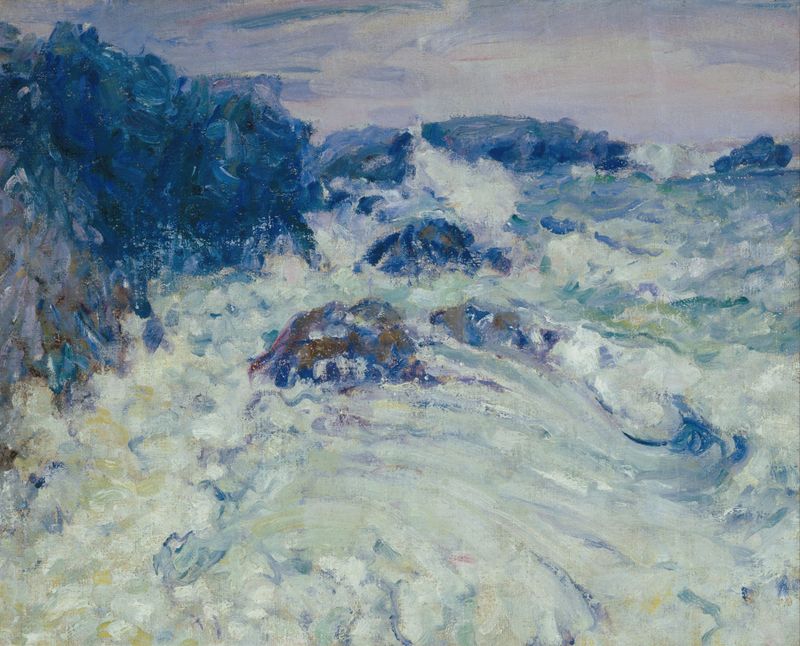
In the heart of nature's embrace lies a moment suspended in time, a delicate balance between innocence and the shadows that lurk just beyond sight. Look to the center of the canvas, where dappled sunlight filters through a canopy of verdant greens, illuminating a serene clearing in the forest. The artist employs a palette of soft greens and warm earth tones, which draw the eye to the gentle interplay of light and shadow. Notice how the brushwork conveys a sense of movement, as if the leaves are whispering secrets to one another, and how the play of light creates a golden glow, inviting viewers into this tranquil retreat. Yet, beneath the surface beauty, there is an underlying tension that speaks to the fragility of innocence.
The vivid colors mask the encroaching darkness of the forest’s depth, suggesting that serenity is often fleeting. The juxtaposition of light and shadow hints at the complexities of nature—joy and sadness intertwined, with the promise of discovery held within this serene sanctuary. In 1891, John Peter Russell painted this piece while living in France, a period marked by his exploration of impressionism and color theory. At this time, he was deeply influenced by his contemporaries, including Vincent van Gogh, whose emotional use of color resonated with Russell’s own artistic vision.
This artwork reflects a moment of personal and artistic growth, capturing the essence of nature while exploring themes of purity and the transient beauty of life.