
A Dark Landscape — History & Facts
Can paint confess what words never could? A canvas can transcend language, whispering truths about transformation in shadows and light. Look to the left at the inky depths where the earth and sky collide, a tumultuous horizon that hints at both despair and possibility. The palette is dominated by deep blues and murky blacks, punctuated by flickers of unsettling ochre and muted greens that draw the eye across the ominous expanse. The composition feels both chaotic and deliberate, as if the landscape is in a constant state of evolution, caught between night and dawn. Hidden within the tumultuous strokes lies a narrative of change—the stark contrast between the dark, oppressive foreground and the hint of light beyond suggests a struggle for rebirth.
The jagged forms resemble both barren trees and spectral figures, evoking the weight of loss and the hope of renewal. This duality speaks to the viewer, challenging them to confront their own moments of transformation, where darkness often precedes enlightenment. Herbert Crowley painted this piece during a period of personal turmoil and the broader upheaval of the early 20th century, a time marked by both war and innovation. Working primarily in New York, he was influenced by the Symbolist movement, which sought to express the ineffable aspects of the human experience.
Paintings like this reveal his deep engagement with themes of transition, mirroring both his own life and the shifting tides of modernity that surrounded him.
More Artworks by Herbert Crowley
Browse all →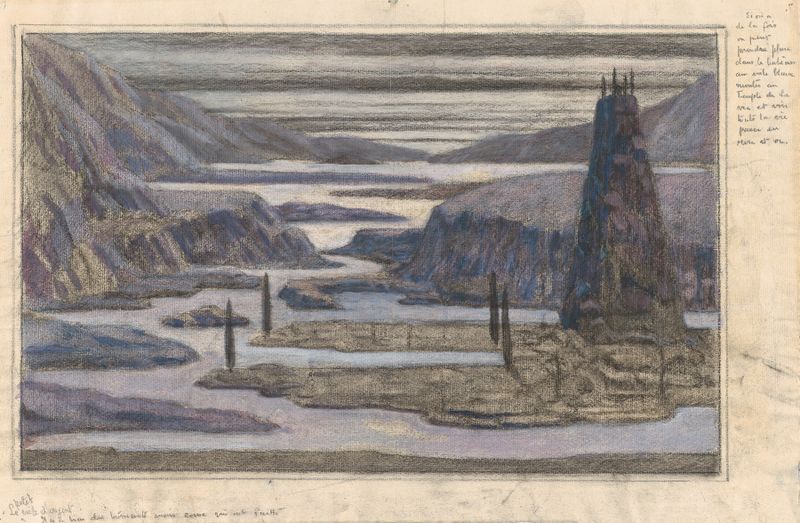
A Landscape
Herbert Crowley
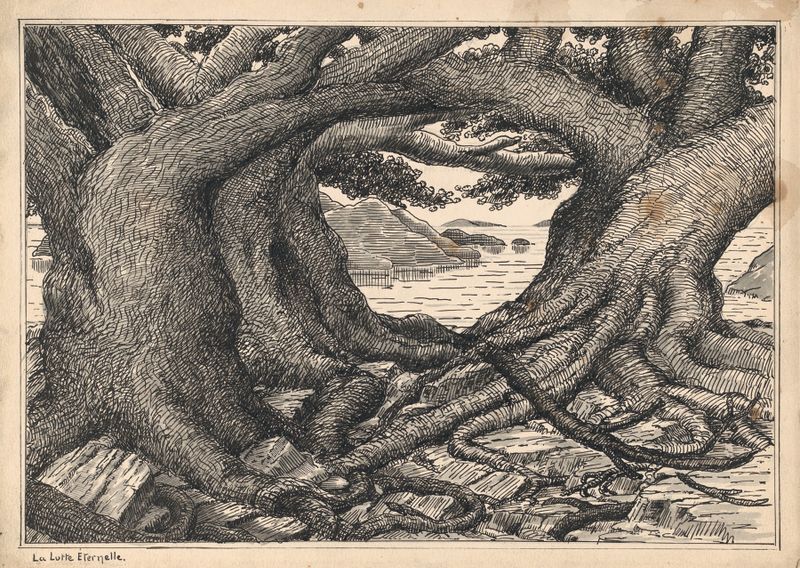
La Lutte Eternelle (The Eternal Struggle)
Herbert Crowley
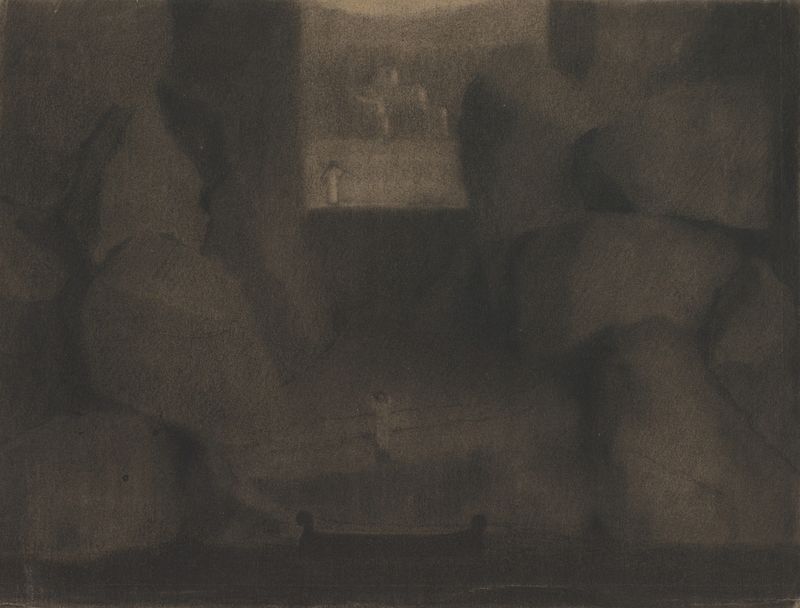
Arrival in a Dark Landscape
Herbert Crowley
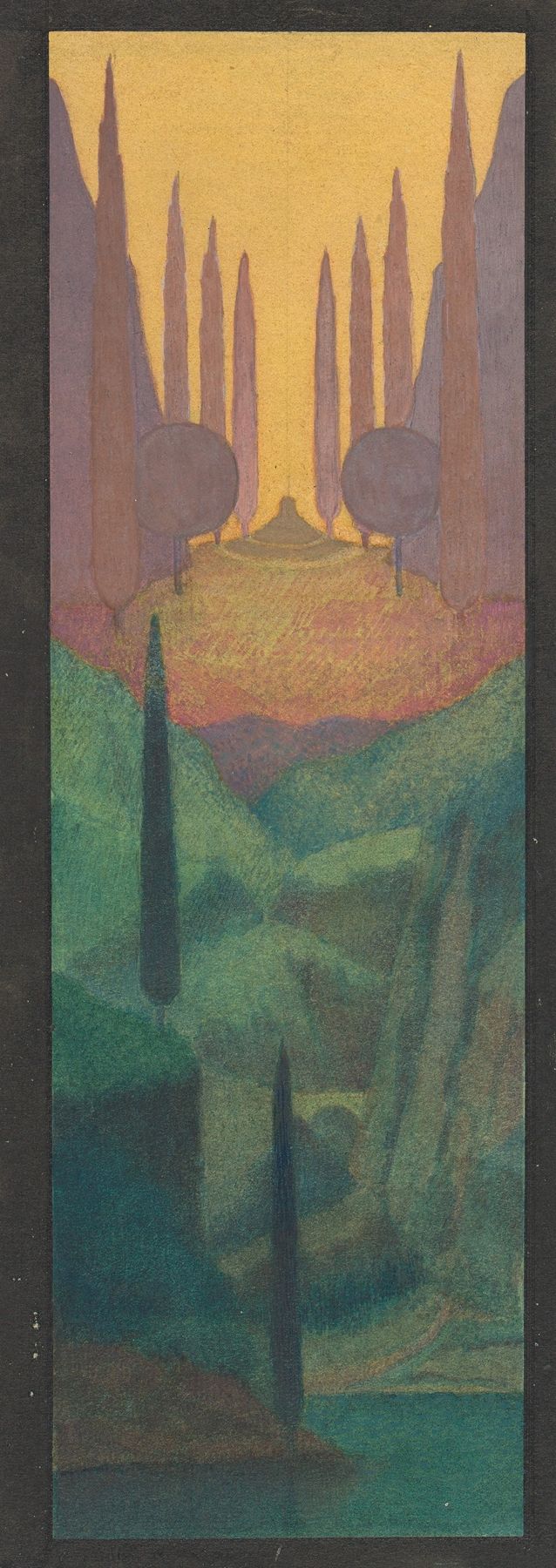
A Monument in a Mountainous Landscape
Herbert Crowley

A River Landscape with Steep Cliffs
Herbert Crowley

A Fantastic Tiered Structure
Herbert Crowley
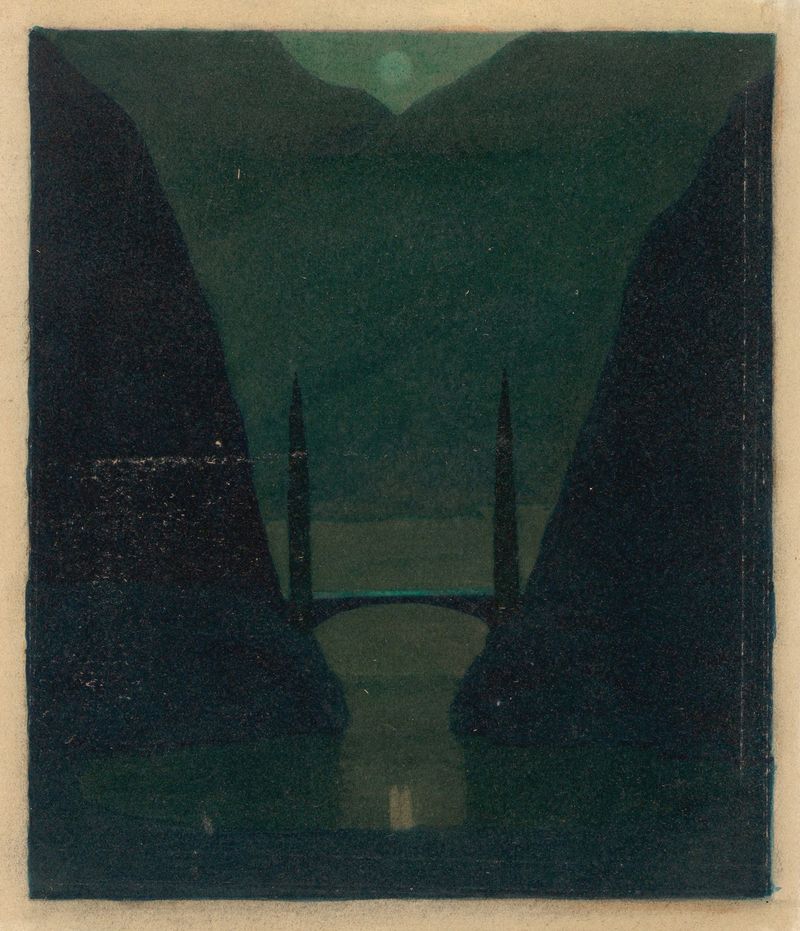
A Bridge in a Mountainous Landscape
Herbert Crowley
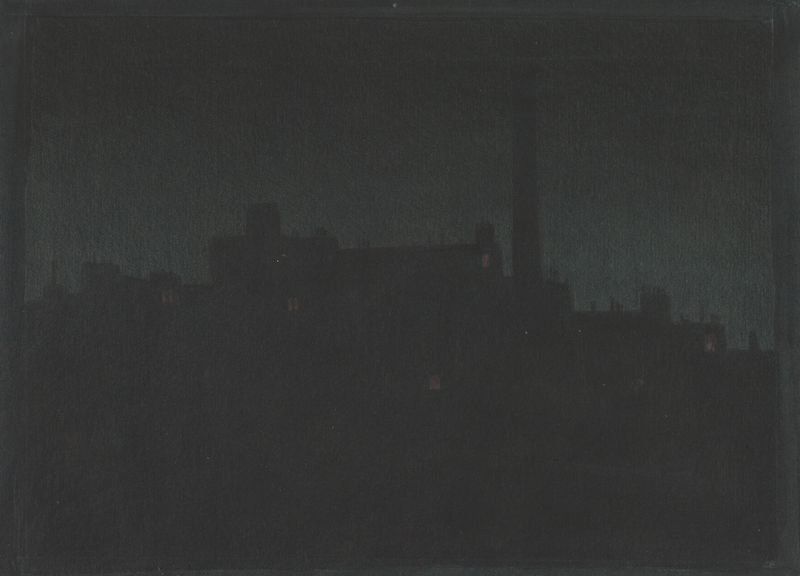
Industrial Buildings At Night
Herbert Crowley

Four Landscapes
Herbert Crowley

River Landscape with Rapids
Herbert Crowley





