A distant view of Rome across the Tiber — History & Facts
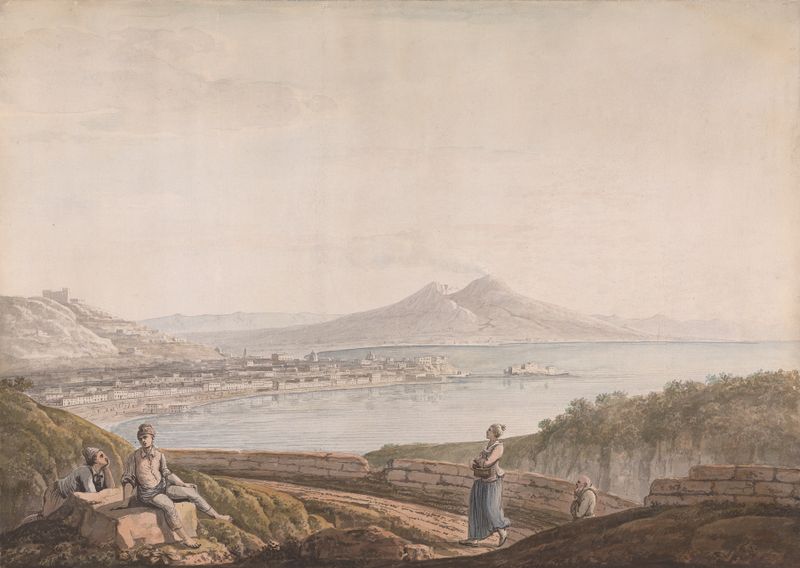
What secret hides in the quiet of the canvas? As the eye wanders through the serene landscape, a feeling of ecstasy emerges, intertwining with the whispers of history and nature. Look to the left at the gentle curve of the Tiber River, where its reflective surface captures the fading light of day, casting a golden hue across the water. Notice how More's delicate brushwork creates a sense of movement in the rippling waves, leading the viewer's gaze toward the distant silhouette of Rome. The rich greens of the surrounding hills contrast beautifully with the warm tones of the sky, establishing a harmonious balance that invites contemplation. As the city stands majestically in the background, it symbolizes a world both alluring and distant—an emblem of grandeur that evokes nostalgia and longing.
The atmospheric perspective enhances this emotional tension; the soft edges of Rome blur the lines between reality and dream. Each detail, from the tiny figures dotting the landscape to the silhouetted monuments, contributes to the painting's narrative, suggesting a deeper connection between nature and the human experience. Jacob More painted this scene in 1774 while living in England, having moved from his native Switzerland. The painting reflects the 18th-century Romantic fascination with the sublime, as artists sought to explore the beauty of landscapes infused with emotional depth.
During this period, More's work resonated with the growing appreciation for the picturesque, as well as the emerging trend of viewing nature as a source of inspiration and solace amid the complexities of modern life.