
A Figure Beside A Windmill — History & Facts
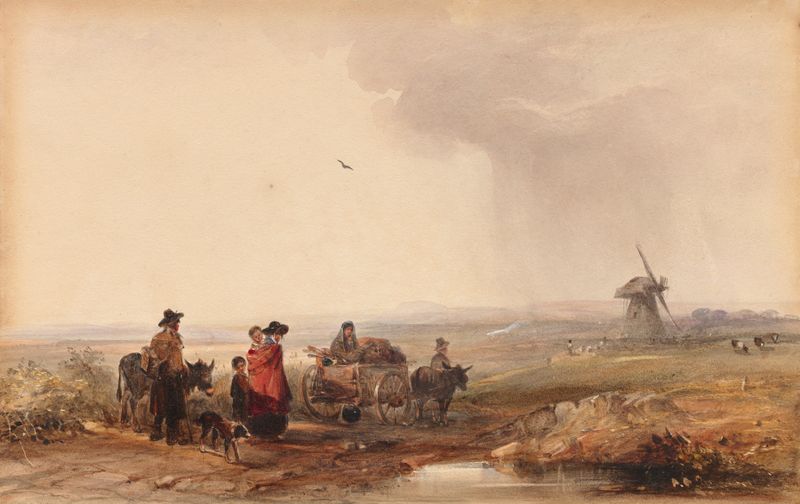
Could beauty survive in a century of chaos? In an era marked by upheaval, the delicate interplay of tranquility and turmoil is forever captured in art. Focus your gaze on the lone figure standing beside the windmill, a silhouette against an expansive sky. Notice the brushstrokes that weave together earthy tones and soft pastels, enveloping the scene in a quiet harmony. The windmill itself, an emblem of industry and nature's endurance, towers with a gentle grace, while the shifting clouds mirror the tumult of the time.
Every element draws you in, revealing a space where the mundane meets the sublime. Yet beyond the serene facade lies a deeper tension. The figure, lost in thought, embodies isolation amidst the vast landscape, hinting at the madness that lurked in the shadows of the 19th century. The windmill, once a symbol of progress, becomes a quiet witness to the internal struggles and societal chaos of its time.
The contrast of the stillness of nature against the despair of humanity prompts reflection on the fragility of beauty when pitted against the forces of change. During the years between 1840 and 1865, George Bryant Campion painted this work in England, a time of great social transformation. The impact of the Industrial Revolution was profound, as the rapid urbanization and technological advancements drastically altered life and landscape. In this climate, the artist sought solace in capturing fleeting moments of beauty, illuminating the tension between the relentless march of progress and the serene persistence of nature.
More Artworks by George Bryant Campion
Browse all →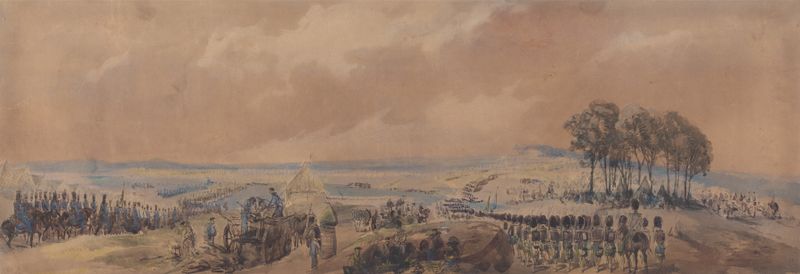
Troops Returning to the Camp at Chobham
George Bryant Campion
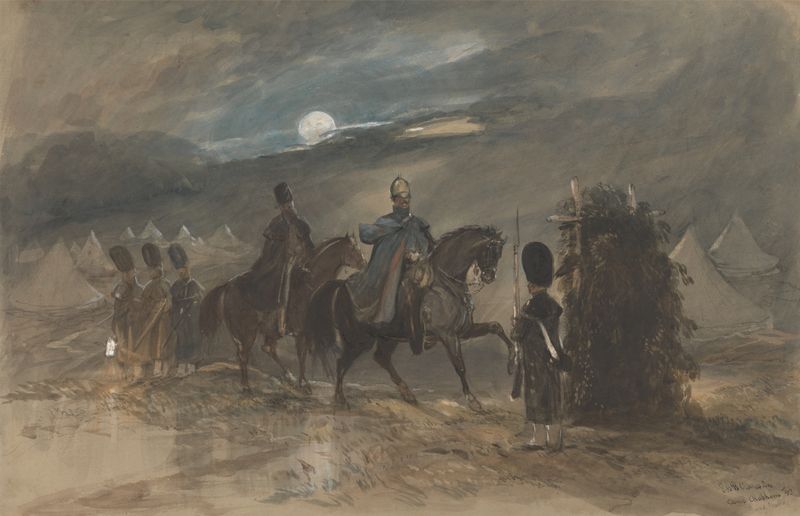
Camp at Chobham, 1853 with Officers and Sentry
George Bryant Campion
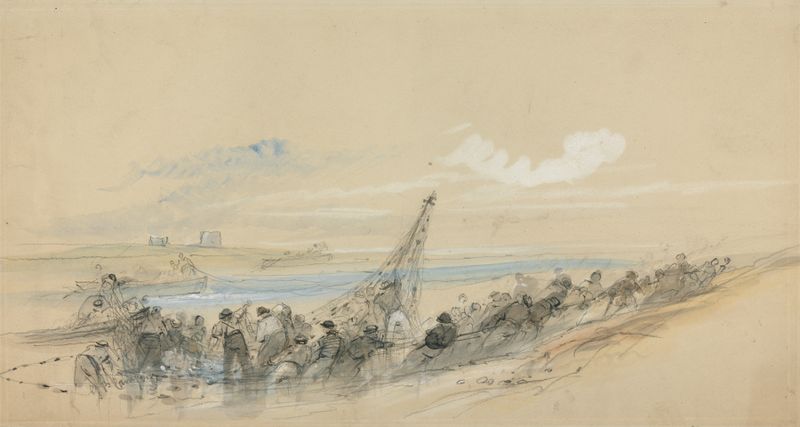
Hauling in the Nets
George Bryant Campion

Royal Review at Windsor – Queen Victoria and Khedive Ismail Pashe of Egypt, June 26th, 1868
George Bryant Campion
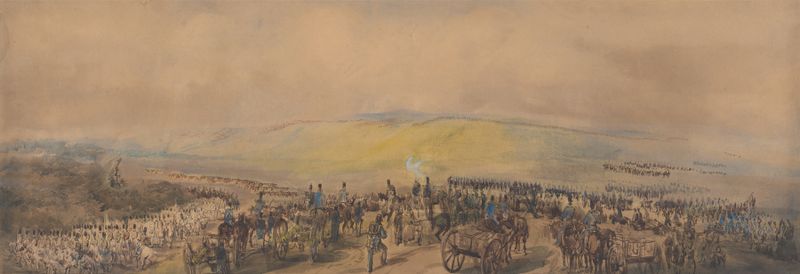
Grand Field Day at Chobham Camp
George Bryant Campion
Dedham
George Bryant Campion
Coastal Scene with Troops Embarking
George Bryant Campion
Gypsy Camp, Holland
George Bryant Campion

Hastings Races
George Bryant Campion





