
Gypsy Camp, Holland — History & Facts
In the delicate embrace of light, the past flickers alive, inviting us to pause and reflect on its fleeting beauty. Look to the right at the radiant glow filtering through the trees, casting playful shadows on the faces of the gypsy families gathered in the camp. Notice how the luminous hues of the tents contrast with the earthy palette of the landscape, creating a visual harmony that speaks of belonging and transience. The artist employs broad strokes and a soft focus that imbue the scene with a sense of warmth and nostalgia, drawing viewers into this intimate moment. Beneath the surface, the painting intricately weaves themes of migration and community, highlighting the juxtaposition of freedom versus the constraints of society.
The figures, often portrayed in relaxed postures, exhibit a sense of comfort, yet their guarded expressions suggest an unspoken awareness of the world beyond their camp. Each detail, from the intricately patterned textiles to the glimmer of light in a child’s eyes, reveals a narrative that resonates with both joy and longing. In the 1800s, George Bryant Campion painted this work during a time when the Romani people's way of life was both celebrated and marginalized in Europe. The artist, influenced by the Romantic movement's fascination with nature and the human spirit, sought to capture the essence of a lifestyle on the brink of change.
His choice to depict this moment reflects an era marked by shifting societal norms and growing industrialization, positioning Gypsy Camp, Holland as a poignant homage to a fading chapter in history.
More Artworks by George Bryant Campion
Browse all →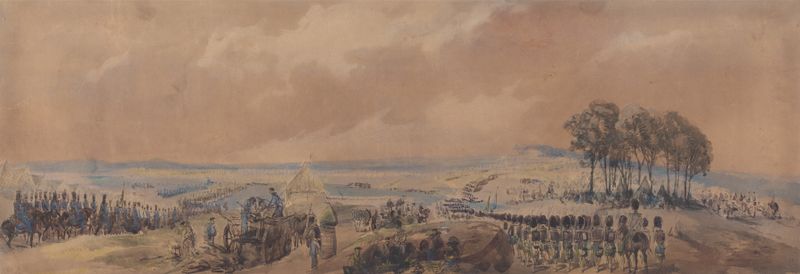
Troops Returning to the Camp at Chobham
George Bryant Campion
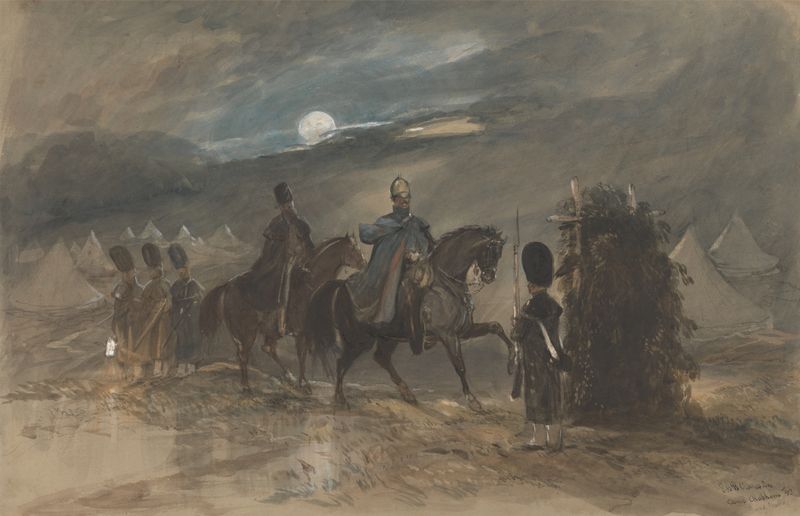
Camp at Chobham, 1853 with Officers and Sentry
George Bryant Campion
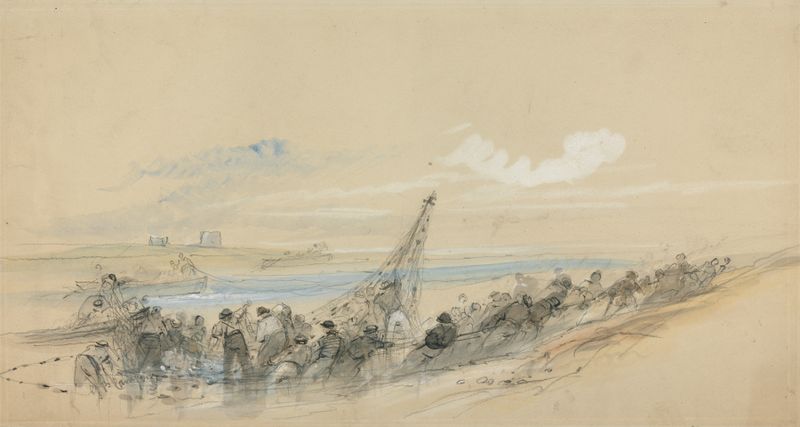
Hauling in the Nets
George Bryant Campion

Royal Review at Windsor – Queen Victoria and Khedive Ismail Pashe of Egypt, June 26th, 1868
George Bryant Campion

A Figure Beside A Windmill
George Bryant Campion
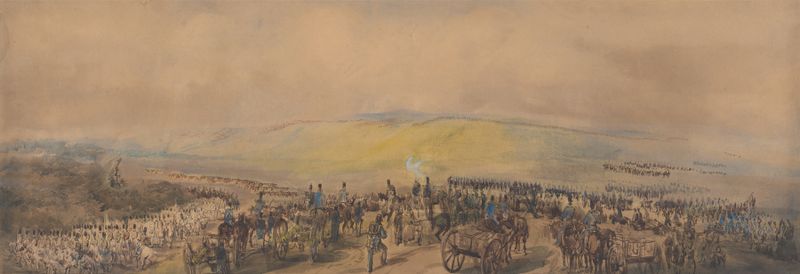
Grand Field Day at Chobham Camp
George Bryant Campion
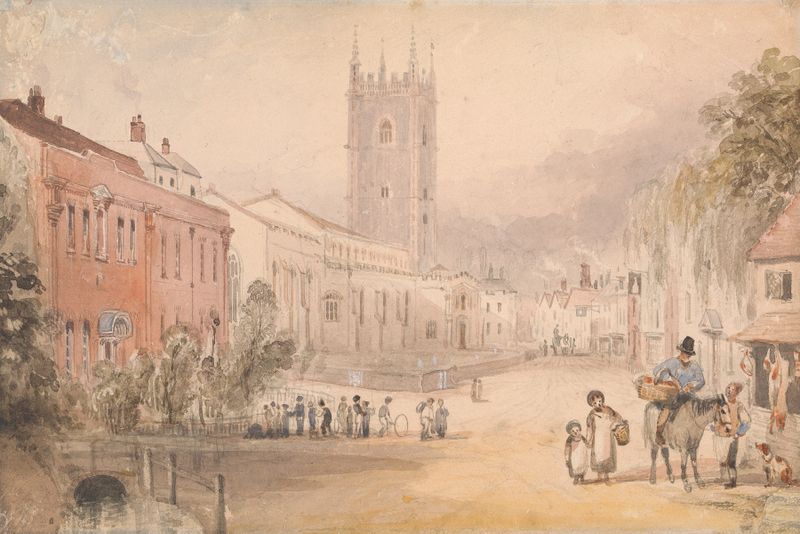
Dedham
George Bryant Campion
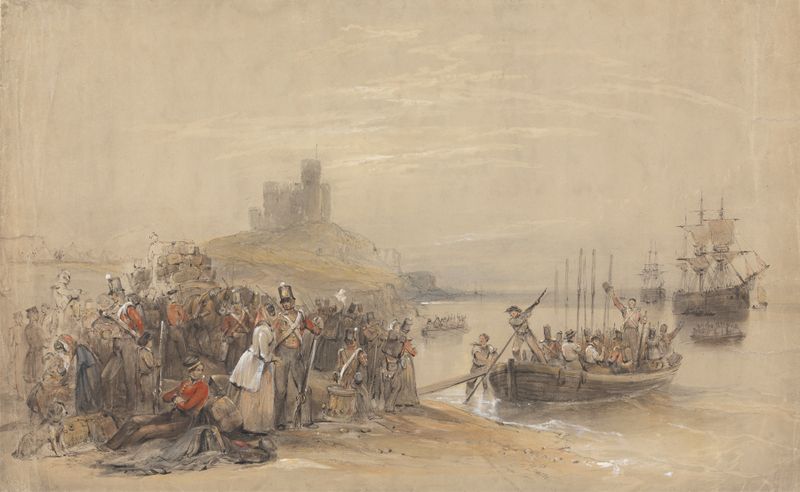
Coastal Scene with Troops Embarking
George Bryant Campion

Hastings Races
George Bryant Campion





