A Fish Buyers’ Wharf — History & Facts
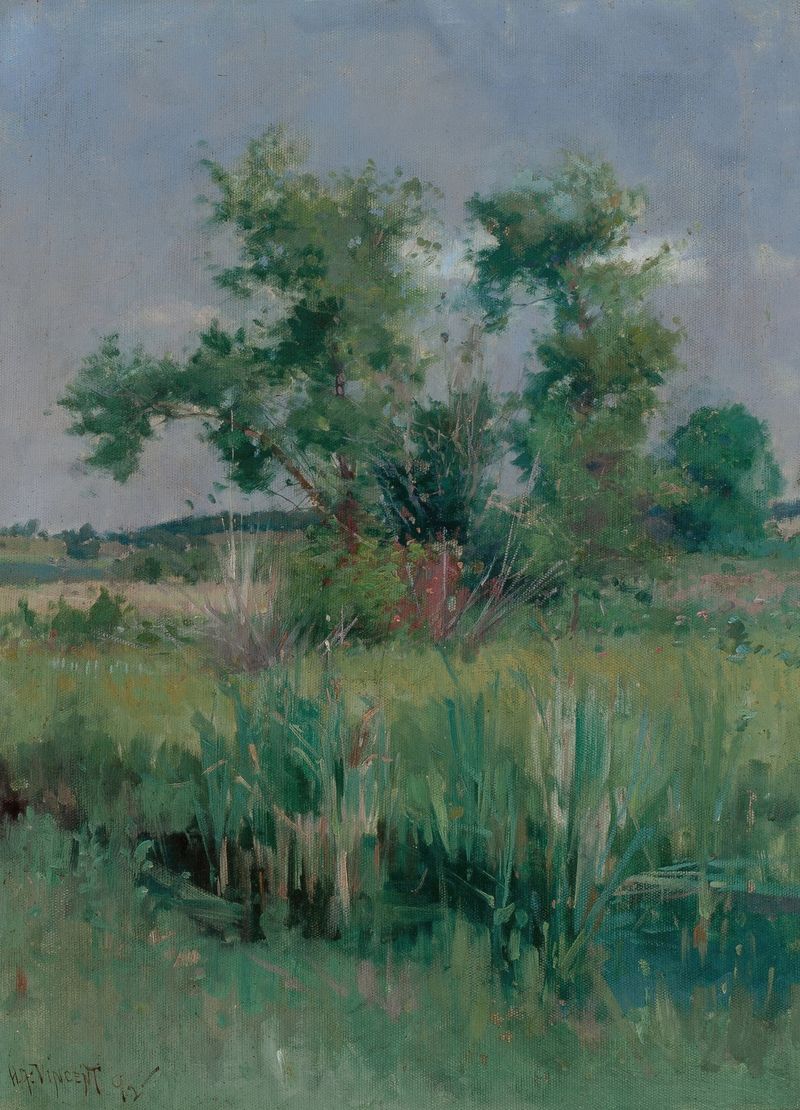
Could a single brushstroke hold eternity? In A Fish Buyers’ Wharf, the essence of tranquility harmonizes with the bustling rhythms of life, inviting viewers to reflect on the serenity found within daily labor. Focus first on the serene palette; notice how the soft blues and gentle earth tones cradle the scene, bathing the wharf in a collective calm. The horizon blurs slightly, creating an ethereal quality that draws the eye toward the figures engaged in their work. Each fisherman, rooted in their task, radiates a sense of purpose, while the dappled sunlight dances across the water’s surface, illuminating the textures of the boats and the glistening scales of the day’s catch. Delve deeper into the emotional currents swirling beneath the surface.
The juxtaposition of labor and peace speaks volumes: amidst the chaos of fish being weighed and sold, there exists a meditative rhythm, suggesting that even within the flurry of activity, moments of reflection are attainable. The interplay of light and shadow heightens this contrast, hinting at the intricacies of life where serenity can emerge from routine. Harry Aiken Vincent created this work in an unknown year, likely reflecting the everyday life of coastal communities. During his time, the art world was transitioning toward more expressive forms, yet Vincent chose to embrace realism that captures the nuances of ordinary moments.
As he painted, the world was steeped in the challenges of modernity, yet he found beauty in the simplicity of labor and the quietude of connection to the sea.