A Forest — History & Facts
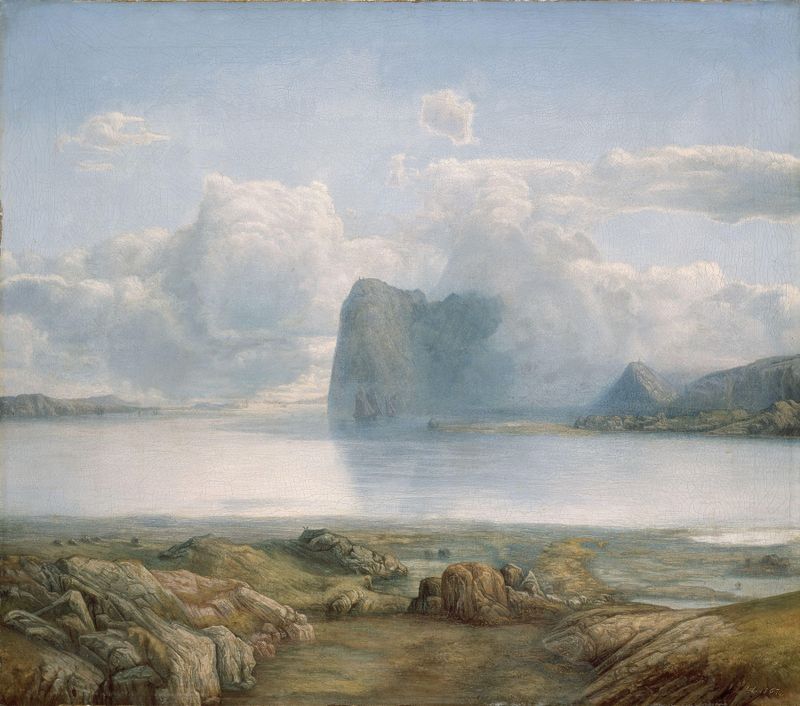
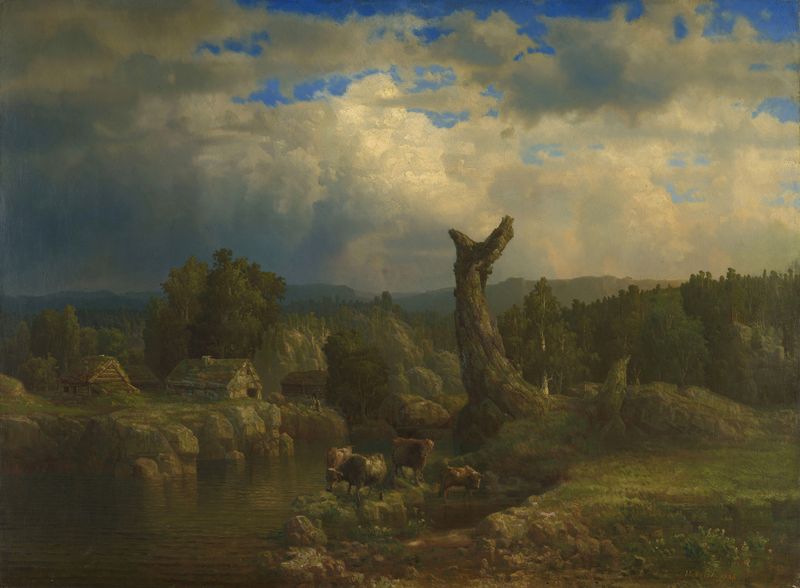
When did color learn to lie? In the depths of nature's embrace, beauty often masks a deeper truth, inviting both wonder and skepticism. Look closely at the interplay between shadow and light in A Forest. The lush greens and soft browns of the foliage draw your gaze first, creating a mesmerizing canopy that seems to breathe. Notice how the dappled sunlight filters through the trees, casting an ethereal glow that dances across the forest floor, beckoning the viewer deeper into its serene yet enigmatic depths.
The brushwork is both delicate and vigorous, with each stroke hinting at the wildness that lurks just beyond the cultivated beauty. Yet, beneath this vibrant façade lies an emotional tension. The seemingly tranquil scene is punctuated by the stark contrast of dark, almost foreboding shadows that loom among the trees, hinting at the hidden complexities of nature. The vivid colors evoke a sense of calm, but the layering of darkness suggests a world where beauty and danger coexist.
Each element intertwines, reflecting the duality of human experience; the forest is not merely a place of escape but a reminder of nature's unpredictable power. In 1853, while living in Norway, Lars Hertervig painted A Forest during a period of personal struggle and artistic evolution. Influenced by the Romantic movement, he sought to capture the sublime beauty of the Norwegian landscape, often infusing his works with emotional depth and a sense of isolation. This was a time when nature was being redefined in art, and Hertervig's exploration of light and atmosphere marked a significant contribution to landscape painting as it transitioned into a more expressive form.