A griffon vulture with a dead deer — History & Facts
Did the painter know this moment would outlive them? The stillness of death, captured in vibrant strokes, carries a weight that transcends time and stirs a profound longing within us. Focus on the center of the canvas, where the griffon vulture perches regally upon the lifeless body of a deer. The bird's fierce gaze and expansive wings contrast sharply with the fragile, muted tones of the fallen creature. Notice the texture of the feathers, rendered with meticulous detail, as they catch the glimmers of light that fight to penetrate the surrounding shadows.
This juxtaposition between life and death is palpable, stirring an unsettling tension that invites closer examination. The stark arrangement speaks volumes; the vulture, a symbol of nature's unyielding cycle, embodies both the inevitability of decay and the raw beauty of survival. The deer, once vibrant, now lies still, evoking a poignant sense of loss and the passage of time. The artist's careful choice of a dark, earthy palette reinforces the gravity of the scene, while vibrant highlights draw attention to the vulture's powerful form, underscoring a universal theme of longing—longing for life, for the fleeting moments that elude us. In 1877, while creating this piece, the artist was immersed in the tumultuous world of naturalism, where the brutal realities of life and death were paramount.
Living in Switzerland, Canciani was influenced by the changing artistic tides, moving away from romanticism and towards a more candid portrayal of the natural world. This work, crafted during a period of personal and societal reflection, encapsulates the artist’s desire to confront the viewer with nature’s unforgiving truths.
More Artworks by Jakob Canciani
Browse all →
Partie am Millstätter See
Jakob Canciani
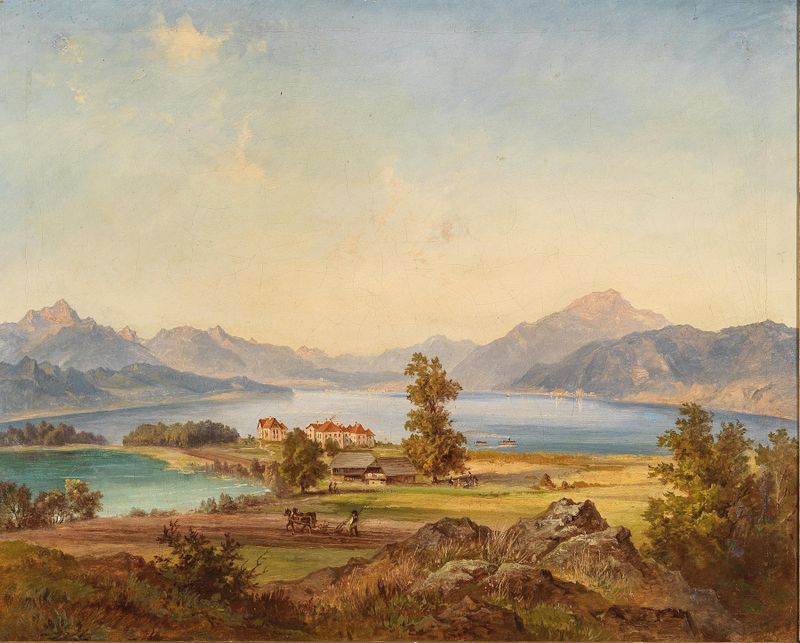
A Scene by Lake Millstättersee, Carinthia
Jakob Canciani
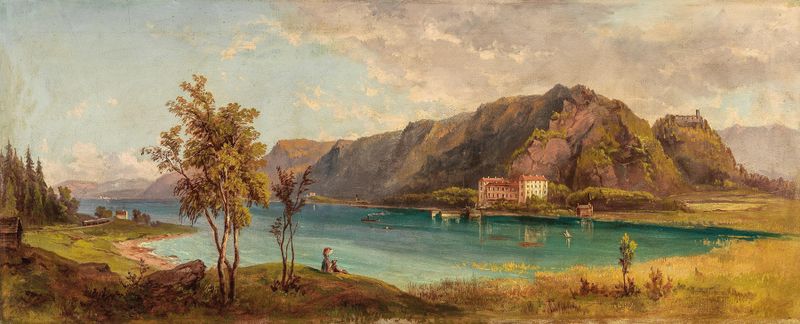
View of Villach
Jakob Canciani

A View of the Pasterze with Grossglockner and Johannisberg
Jakob Canciani
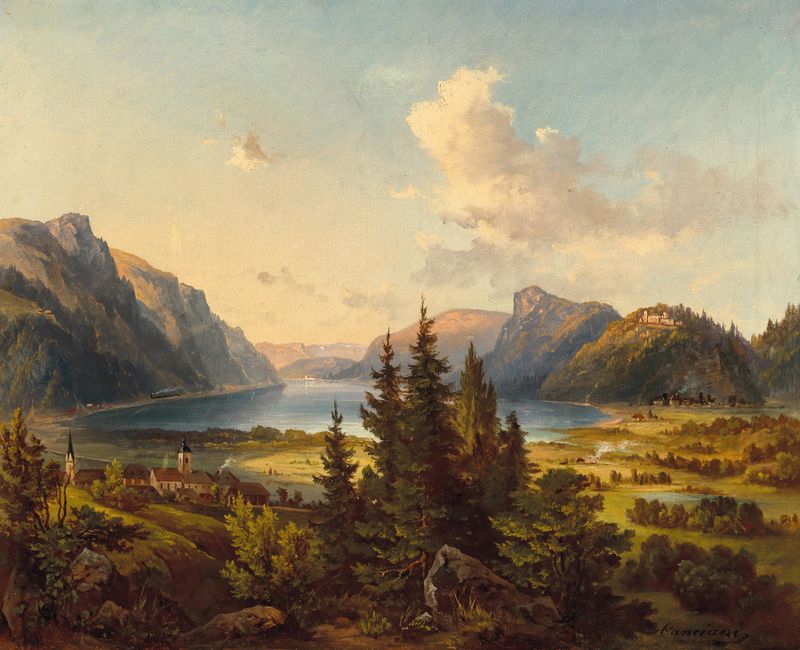
A View of Lake Ossiach with Landskron Castle
Jakob Canciani
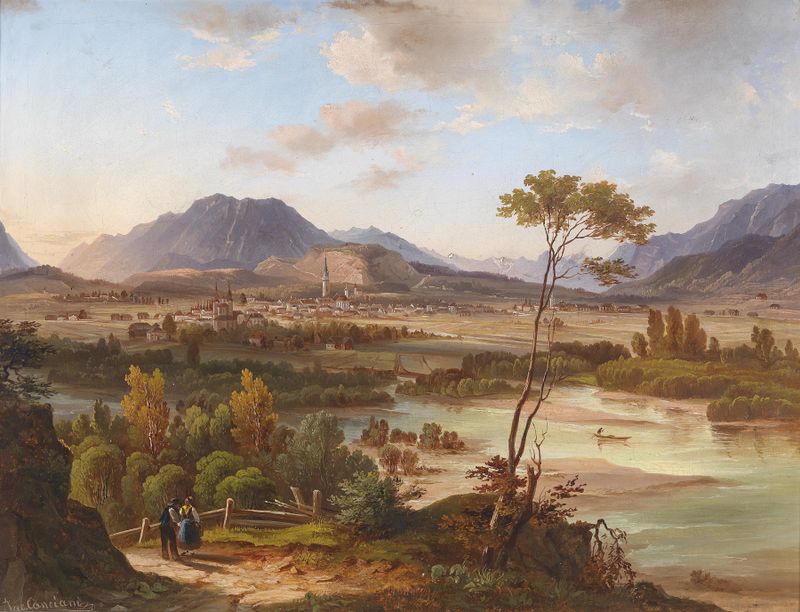
Blick auf Villach
Jakob Canciani

Blick auf Veldes
Jakob Canciani

Scene of Lake Ossiach
Jakob Canciani

Blick auf Gmünd in Kärnten
Jakob Canciani

A View of Villach
Jakob Canciani