
A Hooded Figure in a Landscape — History & Facts
In the delicate interplay of light and shadow, a solitary hooded figure stands at the edge of an expansive landscape, revealing the quiet truth of isolation and introspection. Look to the center, where the figure draws your eye with its gray cloak, a stark contrast against the vivid hues of the surrounding terrain. Notice how the subtle brushwork captures the texture of the fabric, the way it flows like rippling water, merging seamlessly with the vibrant greens and blues of the world it inhabits. The soft illumination highlights the contours of the figure, crafting a sense of depth and inviting contemplation of its hidden intentions. The tension between light and dark creates a dialogue of emotions—the figure both blends into and stands apart from its surroundings.
This duality speaks to the struggle between self and nature, presence and absence. The sprawling landscape, rendered with an ethereal quality, reflects a yearning for connection while simultaneously emphasizing solitude. Each stroke hints at unspoken narratives, suggesting that the figure is on the brink of revelation, mirroring the landscape's own silent confessions. Herbert Crowley painted this work between 1911 and 1924 during a period marked by personal upheaval and the shifting tides of the art world.
Immersed in the Symbolist movement, he was exploring themes of mysticism and existentialism. This canvas emerged as a reflection of his internal struggles as well as the post-war disillusionment that colored the sentiments of his era.
More Artworks by Herbert Crowley
Browse all →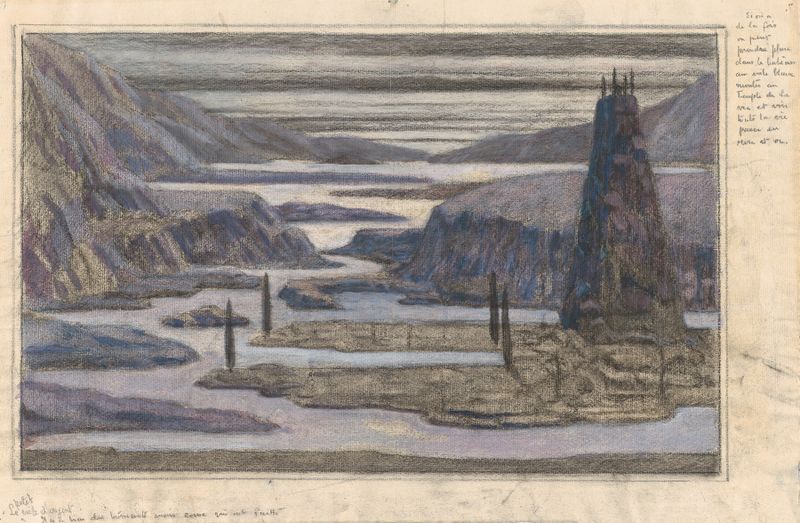
A Landscape
Herbert Crowley
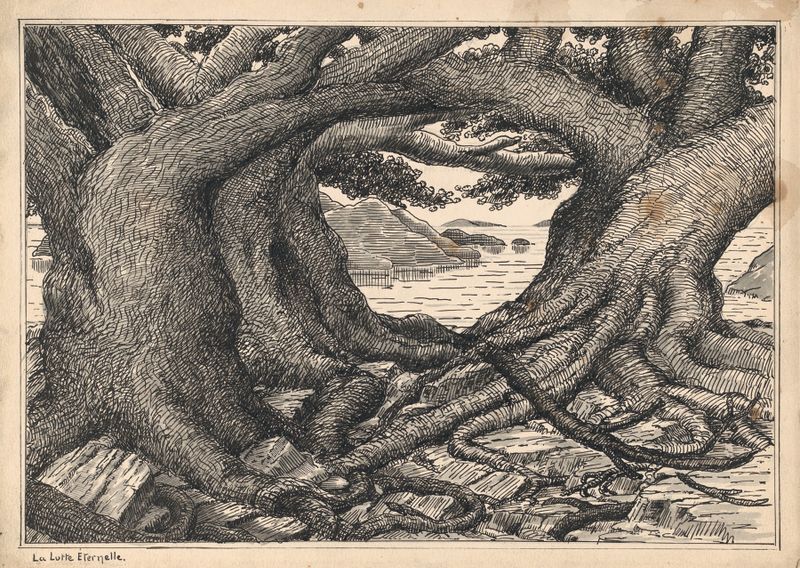
La Lutte Eternelle (The Eternal Struggle)
Herbert Crowley
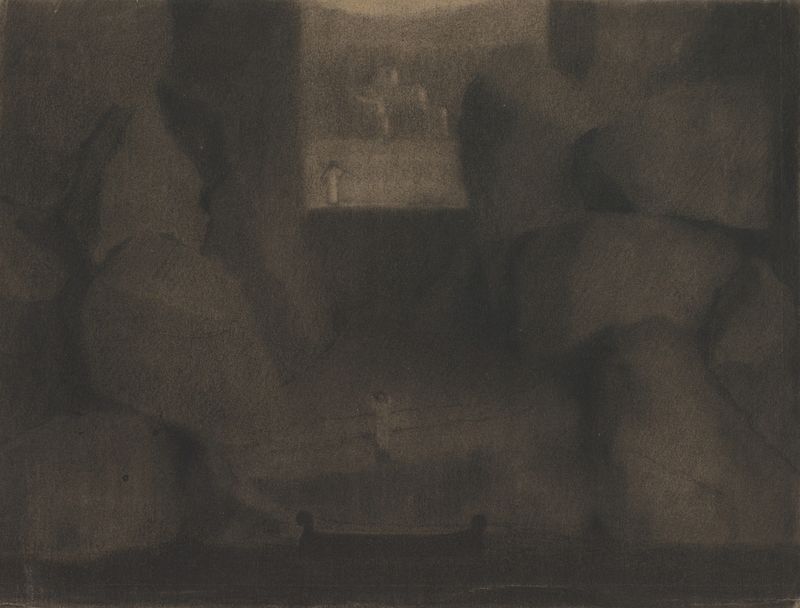
Arrival in a Dark Landscape
Herbert Crowley
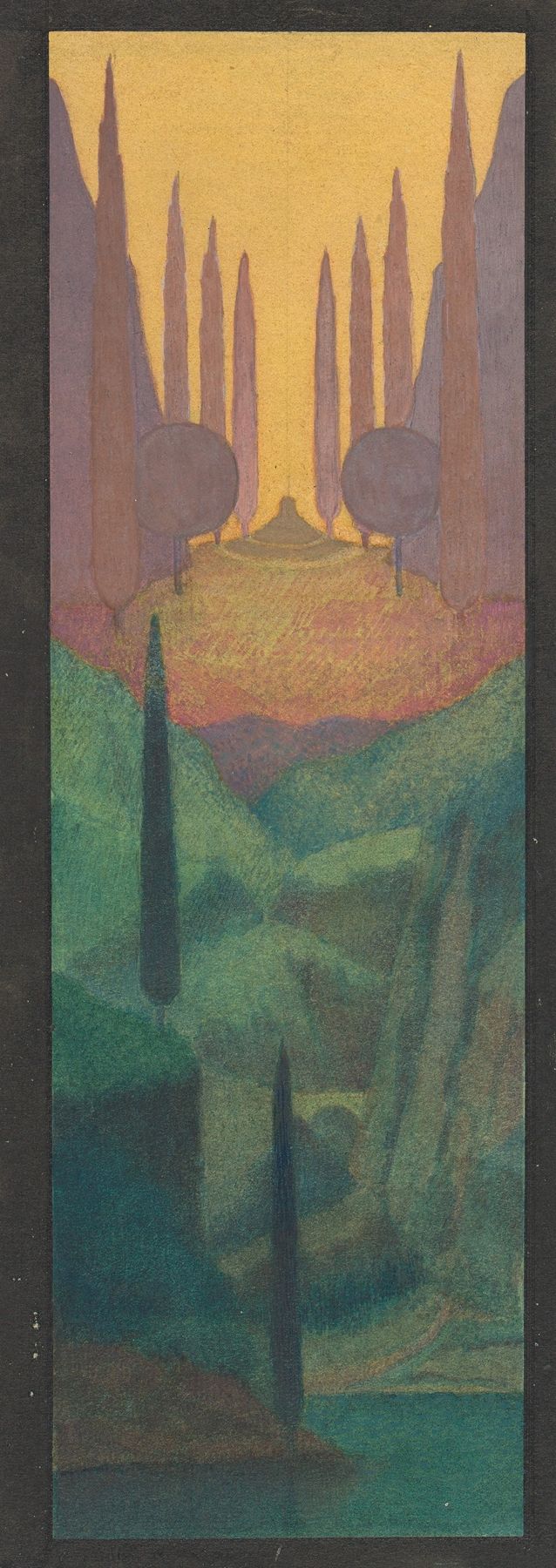
A Monument in a Mountainous Landscape
Herbert Crowley

A River Landscape with Steep Cliffs
Herbert Crowley

A Fantastic Tiered Structure
Herbert Crowley
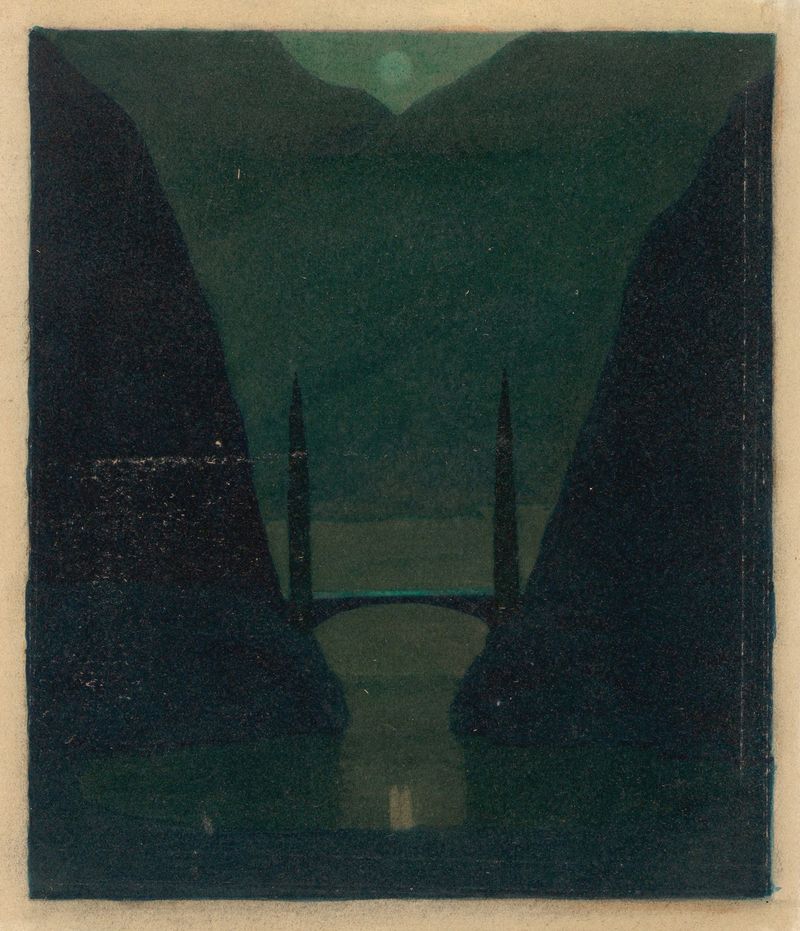
A Bridge in a Mountainous Landscape
Herbert Crowley
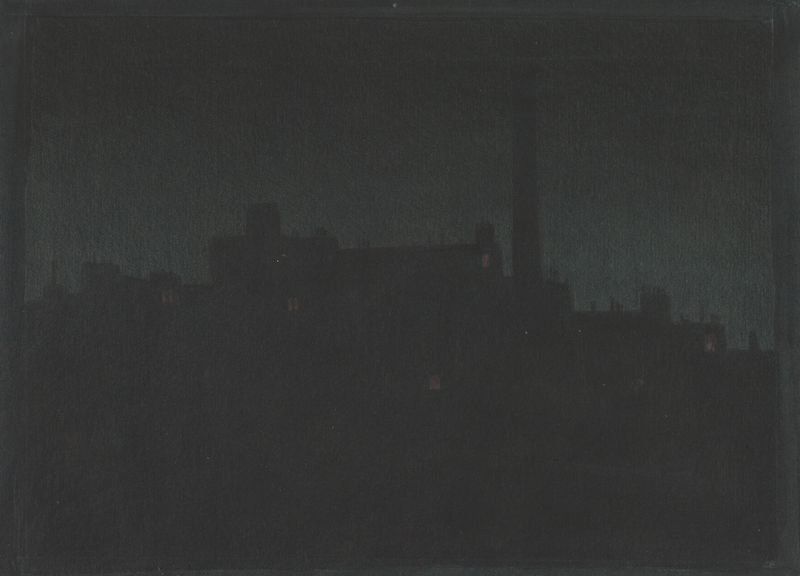
Industrial Buildings At Night
Herbert Crowley

Four Landscapes
Herbert Crowley

River Landscape with Rapids
Herbert Crowley





