A Pasture Landscape with Cows, in the Background a Village — History & Facts
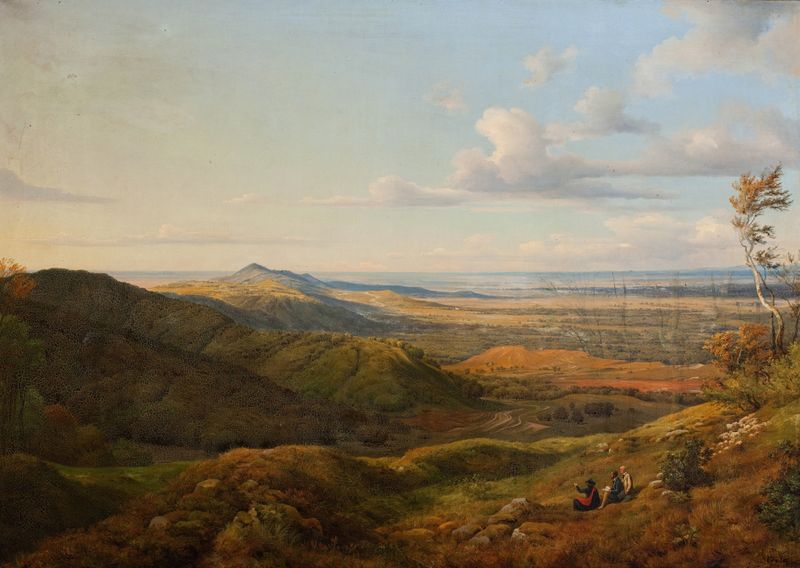
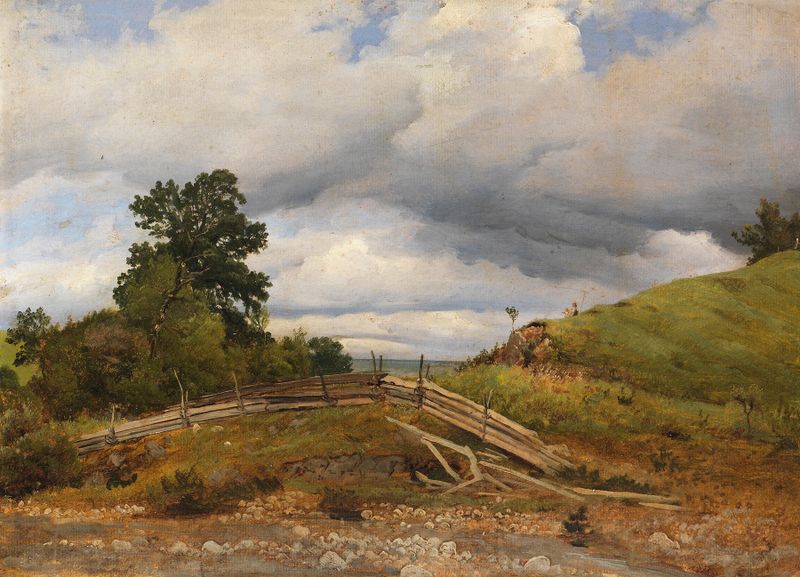
Where does light end, and longing begin? In the depths of nature’s embrace, the answer dances between the lush greens and the soft browns of a pastoral landscape. Look to the foreground, where cows graze languidly, their forms casting gentle shadows on the grassy knoll. Notice how the light caresses their coats, imbuing them with a golden hue that contrasts beautifully against the deep emerald of the pasture. Your gaze is effortlessly drawn to the village in the background, its quaint rooftops nestled against the horizon, bathed in a warm, inviting glow.
The artist's careful brushwork captures the tranquil essence of rural life, with every stroke conveying a sense of peace and continuity. Yet beneath this surface tranquility lies a delicate tension—a sense of longing for both the natural world and the human connections it nurtures. The cows, serene and isolated, symbolize the simplicity of existence, while the distant village suggests a world brimming with stories waiting to unfold. The interplay of light and shadow hints at the fleeting nature of these moments, evoking a quiet yearning for the past that resonates deeply within the viewer. In 1843, Crola painted this scene during a period of both personal and artistic evolution.
He was deeply influenced by the Romantic movement, which sought to highlight the beauty of nature and the emotional truths embedded within it. As he created this landscape, Crola was part of a broader dialogue in the art world that began to shift from grand historical themes to more intimate representations of everyday life and the solace found within it.