A River in Moonlight — History & Facts
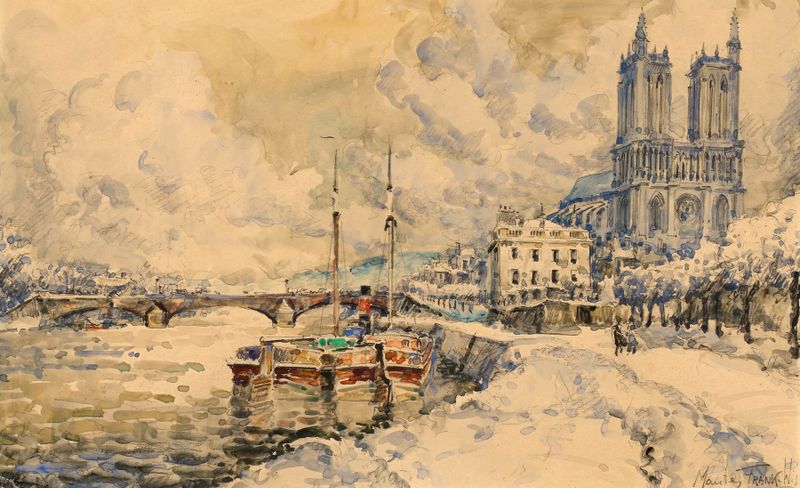
What if beauty was never meant to be finished? In the quiet embrace of twilight, a river flows softly under a veil of moonlight, whispering secrets of loss and longing to the night. Look to the foreground where the water shimmers, reflecting pale silvery hues that dance with the gentle ripples. Notice how the moon's glow casts elongated shadows across the banks, creating a delicate interplay of light and dark. The serene composition invites you to trace the curves of the river, while the ethereal palette balances cool blues with hints of warm gold, grounding the otherworldly scene in a familiar yet enchanting reality. Within this tranquil setting lies an undercurrent of emotion; the river, a symbol of passage, captures the fleeting nature of beauty and the inevitability of loss.
The moonlight illuminates not just the landscape, but also the void left by things unsaid, echoing a sense of absence that resonates with the viewer. Each brushstroke seems to mourn the ephemeral, urging us to contemplate what remains when the light fades. Although the exact date of creation is unknown, A River in Moonlight reflects the artistic exploration of its creator during a period of introspection in the late 19th to early 20th century. Frank William Boggs was influenced by the impressionist movement, as he sought to capture atmospheric effects and the fleeting beauty of nature.
His experience in both Europe and America imbued his work with a sense of nostalgia, perhaps mirroring the complexities of his own life and the world around him.