A River Landscape — History & Facts
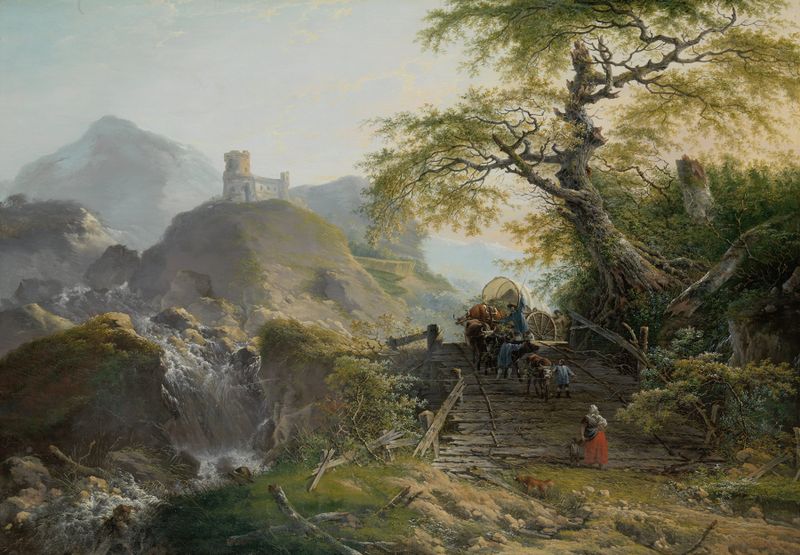
Is this a mirror — or a memory? The allure of reflection dances on the surface of the water, inviting contemplation and awakening the senses. Focus on the gentle curves of the river that meander through the composition, leading the eye into the verdant depths of the landscape. Notice how the light catches the water, shimmering with hues of blue and gold, while the lush greenery surrounding it breathes life into the scene. The painter’s delicate brushwork captures the soft interplay of shadows and sunlight, creating a serene yet dynamic atmosphere that draws you into an almost dreamlike state. As you immerse yourself deeper, consider the contrasts within the work: the stillness of the water against the rustling leaves, the tranquil blues juxtaposed with the vibrant greens of the trees.
Each element speaks to a harmony found in nature, but below the surface lies a tension between memory and reality, urging viewers to reflect on their own moments of awakening amidst life’s ebb and flow. The idyllic landscape appears timeless, evoking feelings of nostalgia and yearning for the tranquility it embodies. Gerard van Nijmegen created this piece in 1783, during a time when he was increasingly recognized for his mastery in landscape painting. Living in the Netherlands, a region rich with rivers and lush scenery, he drew inspiration from his surroundings while also responding to the broader artistic movements of the late 18th century.
The world was shifting, and with it, the perception of nature in art was evolving, marking an important moment in the history of landscape representation.