
A Shepherd — History & Facts
What holds the viewer here is not the shepherd’s staff, nor even the rough-hewn strength of his arms, but the way his gaze cleaves upward—beyond the frame, beyond the world we see. Ary Scheffer chooses a moment of stillness loaded with longing: the shepherd’s clasped hands, knotted with age and labor, press close to his chest as if in prayer or supplication. The light, soft and uncertain, brushes his face and shoulders, carving out the lines of a life spent outdoors, yet it never quite settles, leaving the background swirling and unresolved.
This ambiguity draws us in: is this a man awaiting a sign, or simply lost in memory? The palette, all muted earths and ochres, keeps the mood intimate and grave. Painted in 1840, A Shepherd belongs to a world in flux, when artists across Europe turned their attention from grand mythologies to the dignity of ordinary lives. The Romantic movement, with which Ary Scheffer is often associated, prized emotion and individual experience—qualities visible in the shepherd’s naked vulnerability and the painting’s almost unfinished energy. Works like this were rarely grand commissions; more often, they found their place in private collections, cherished for their quiet humanity.
Today, this painting resides in the collection of Museum Boijmans Van Beuningen, a reminder that history has kept only scattered traces of such solitary figures. The shepherd’s upward look invites us to linger, searching for what he seeks in the shadows above.
More Artworks by Ary Scheffer

Princess Marie d'Orléans in Her Studio
Ary Scheffer
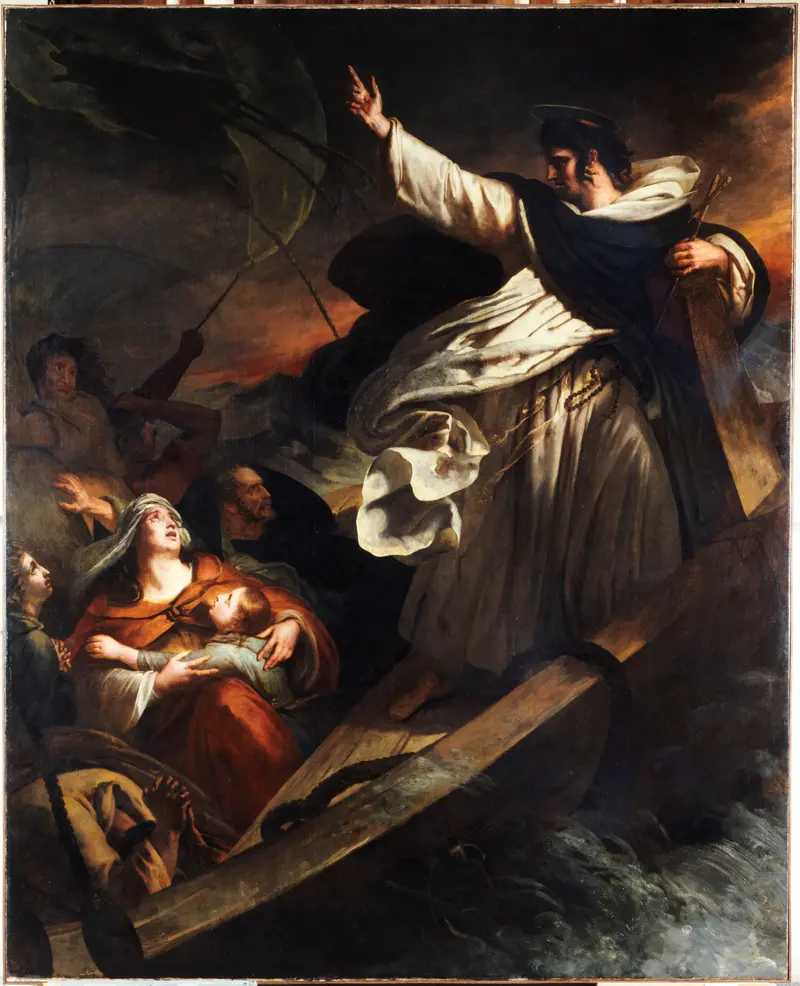
Saint Thomas d'Aquin prêchant la confiance en Dieu pendant la tempête
Ary Scheffer
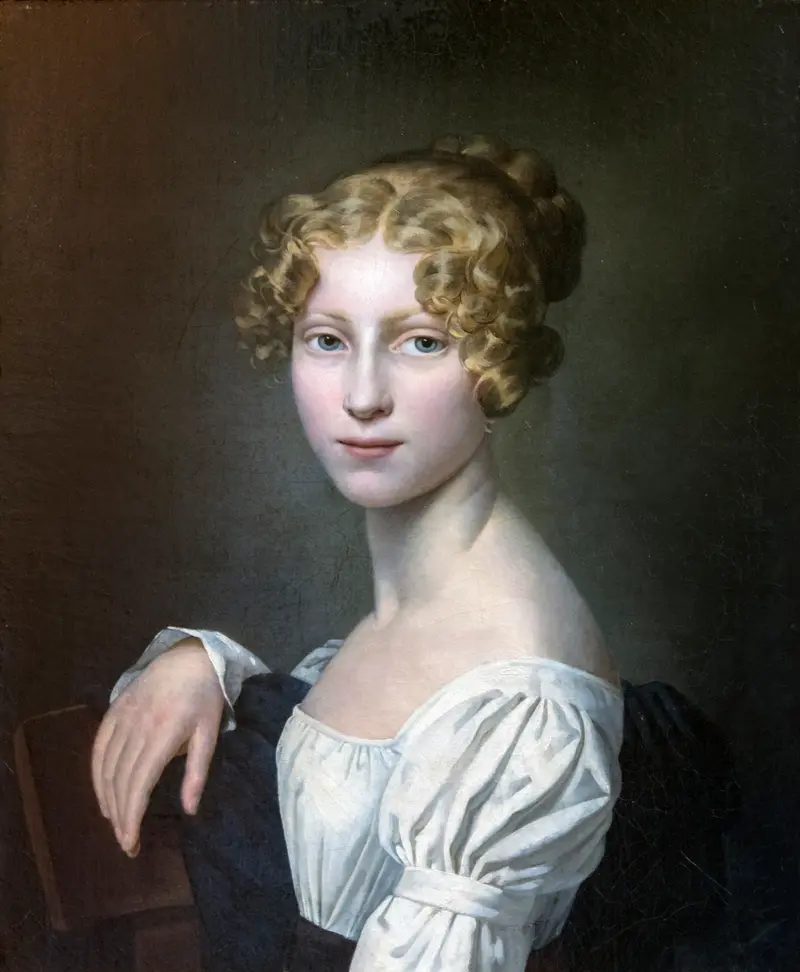
Pauline de Rémusat par Ary Scheffer
Ary Scheffer
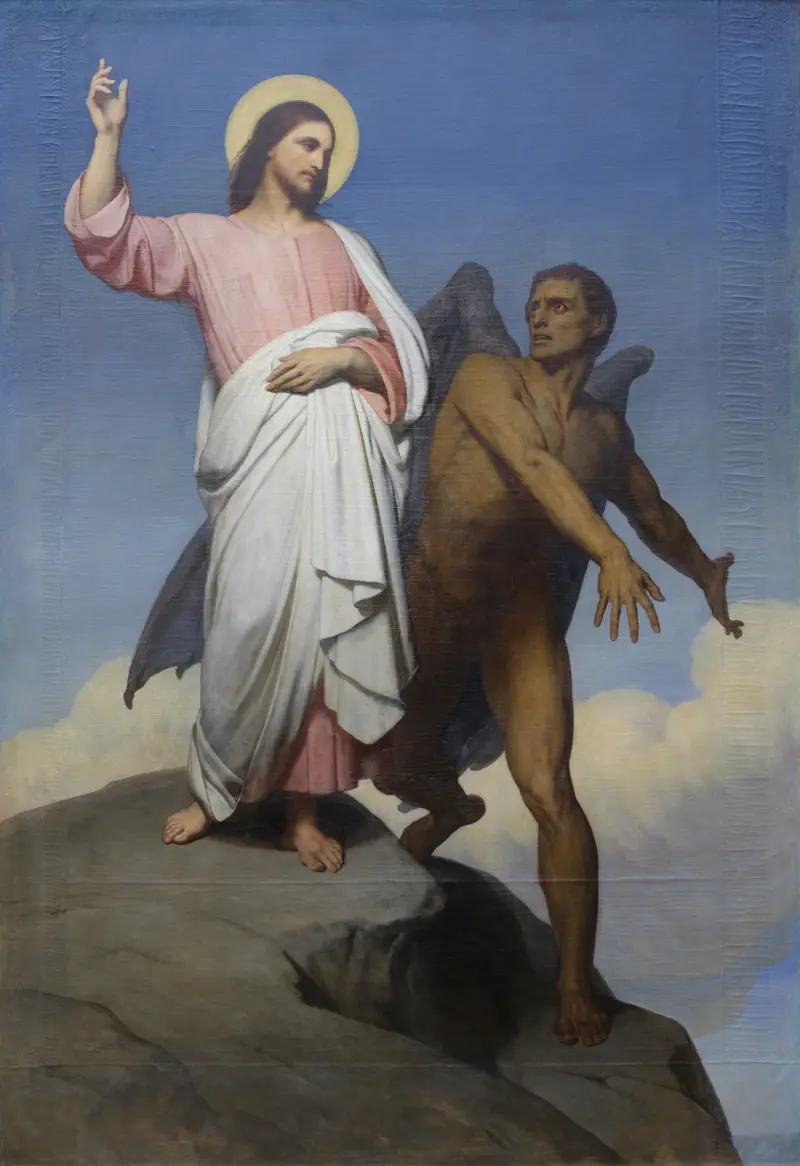
La Tentation du Christ Musée du Louvre Peintures MI 285
Ary Scheffer
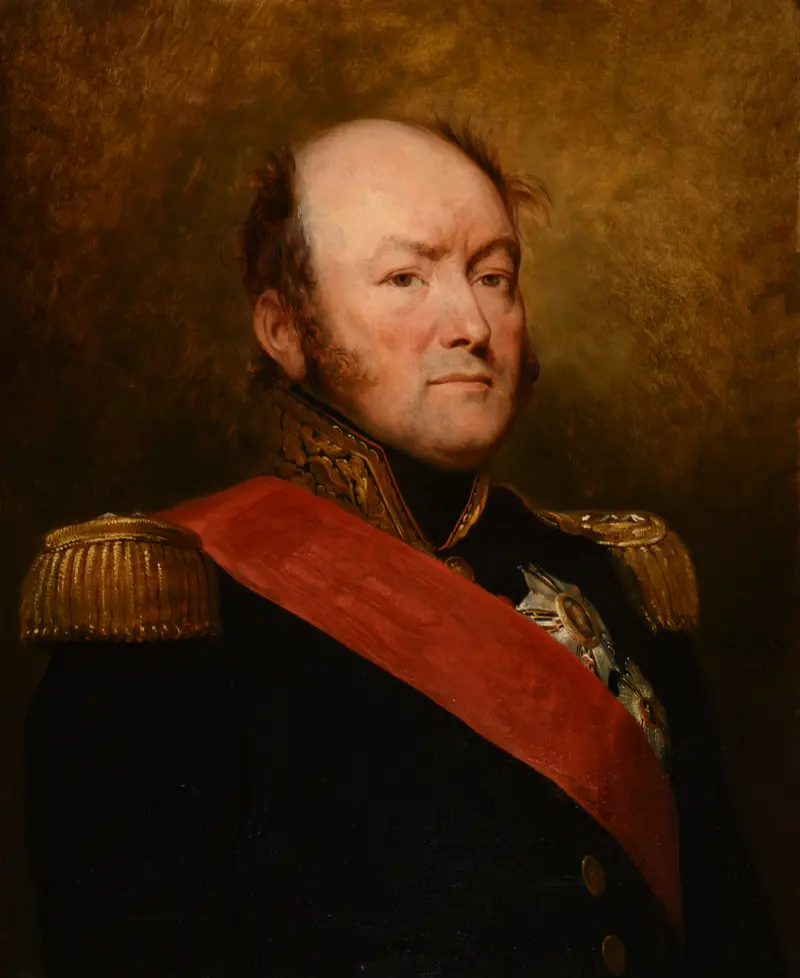
Comte Drouet d'Erlon
Ary Scheffer
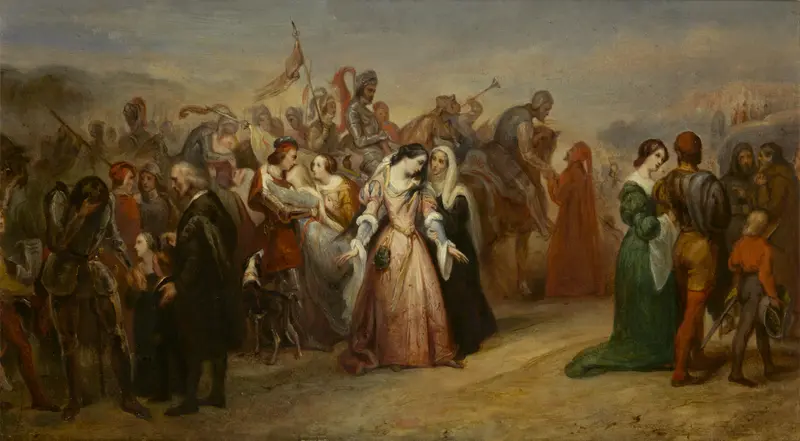
Lenore - de terugkeer van het leger
Ary Scheffer
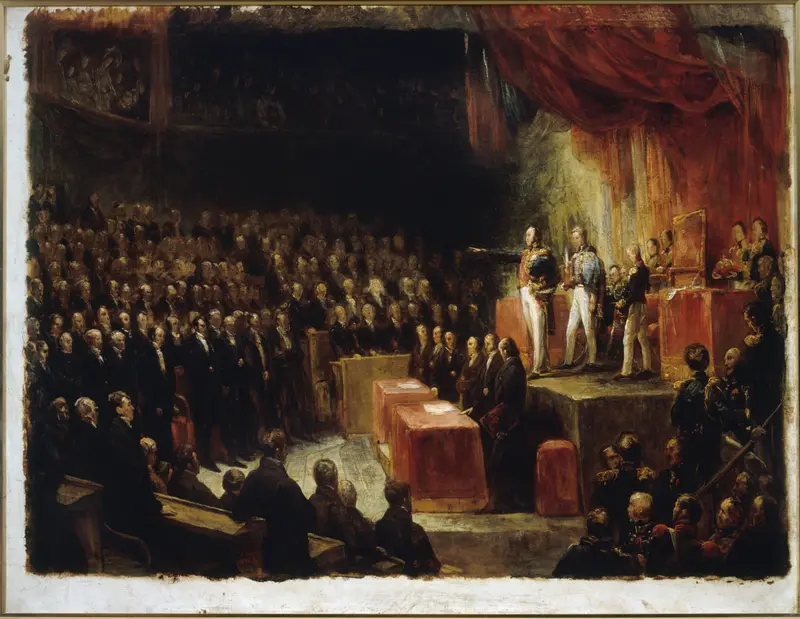
Louis Philippe prêtant serment devants les chambres, le 9 août 1830 P1537 Musée Carnavalet
Ary Scheffer
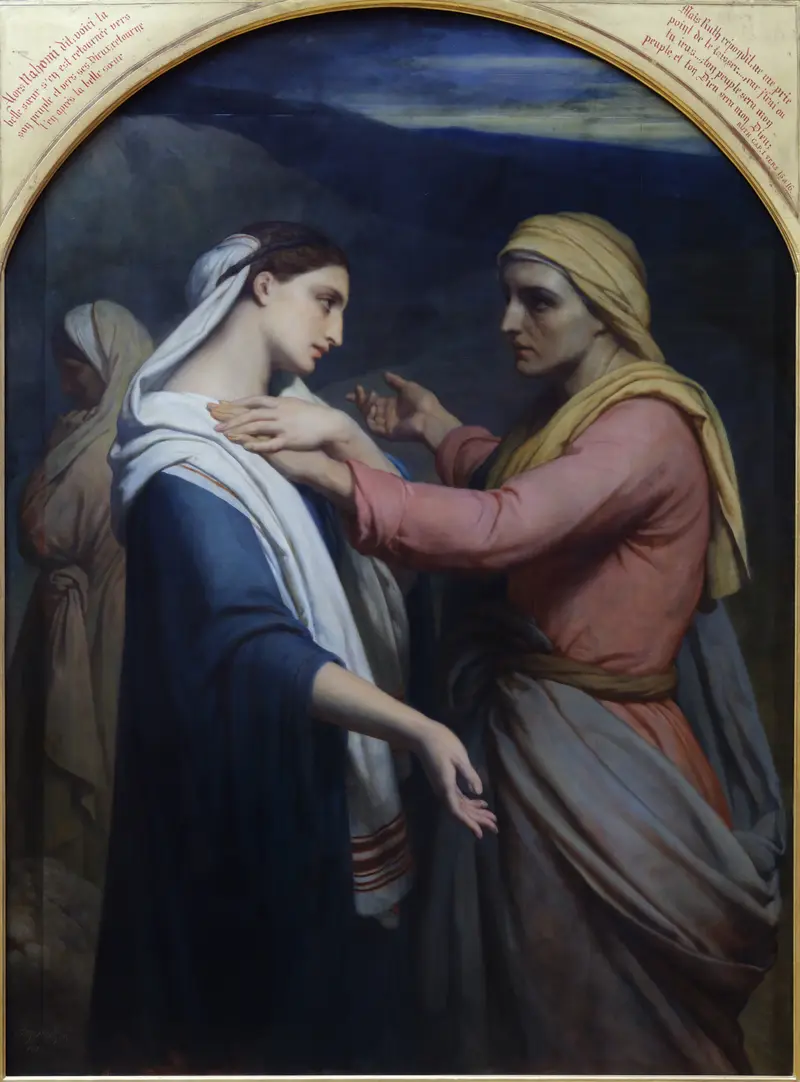
Ruth et Noémi Musée du Louvre Peintures RF 2013 4
Ary Scheffer

Figuur van een treurende engel DM S 70 Dordrechts Museum
Ary Scheffer
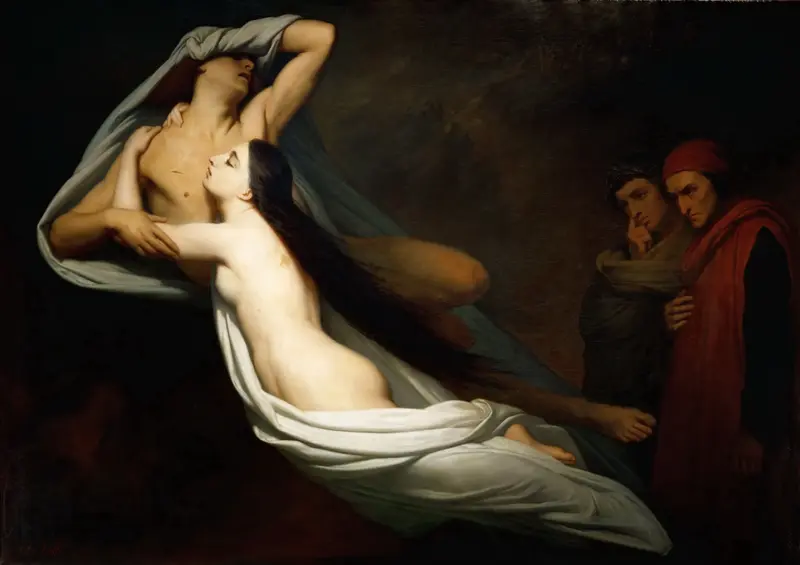
Francesca da Rimini and Paolo Malatesta appraised by Dante and Virgil
Ary Scheffer



