A shepherd in a wooded landscape — History & Facts
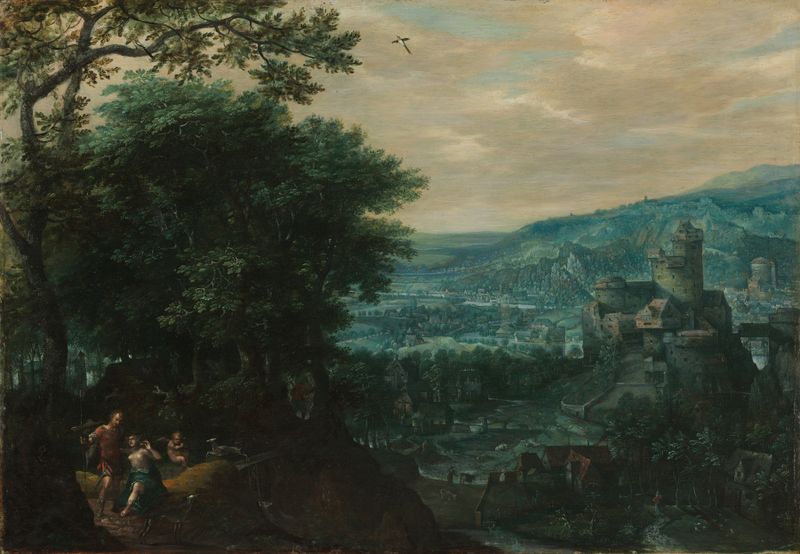
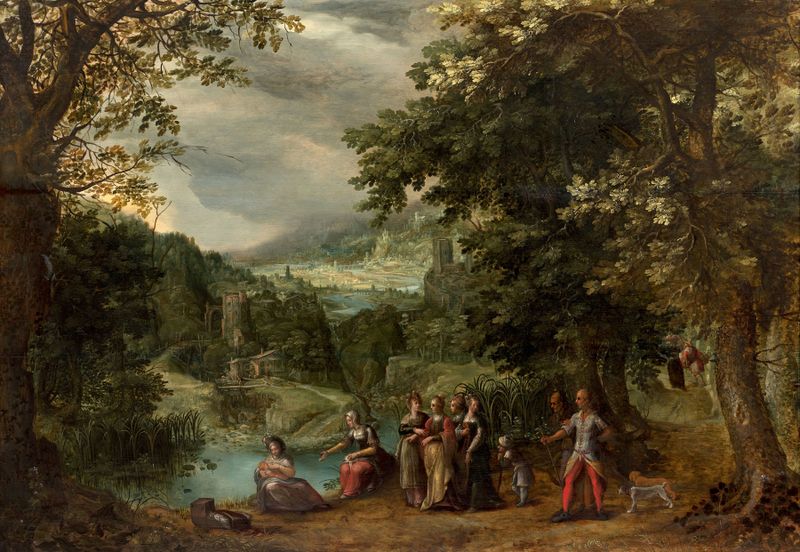
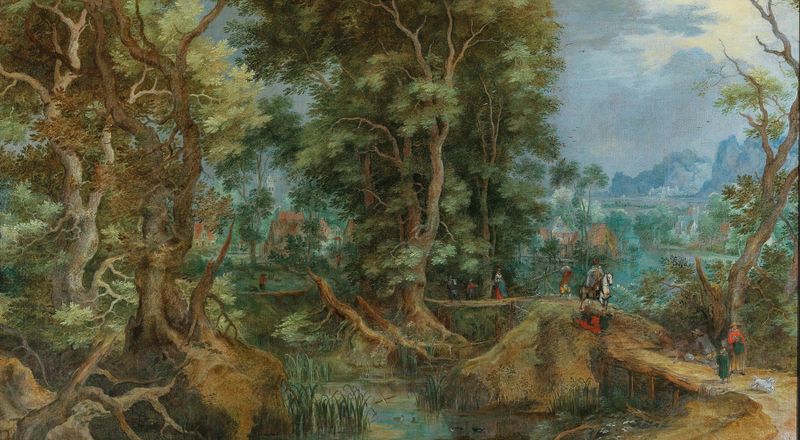
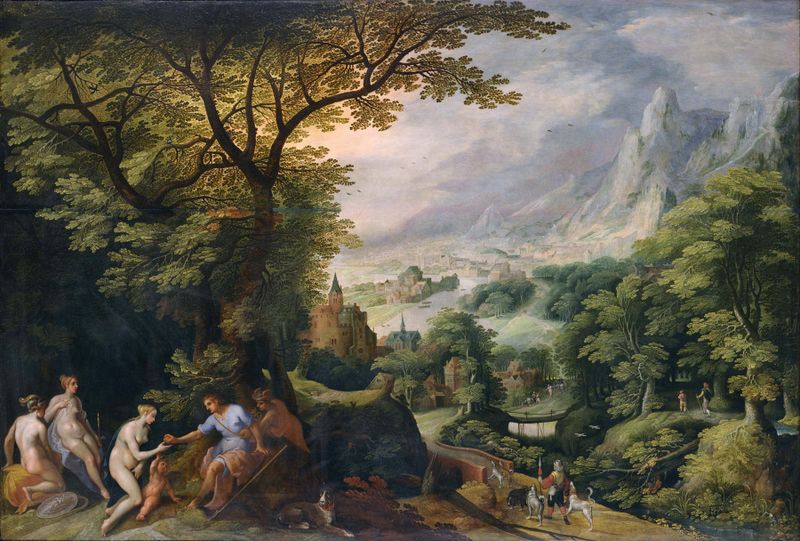
When did color learn to lie? The hues that dance across the canvas whisper of a world both vibrant and decayed, inviting us to question the nature of beauty itself. Look to the center of the artwork, where the shepherd stands amidst a cacophony of greens and browns. His posture is relaxed yet alert, an embodiment of tranquility set against the chaos of nature. Notice how the light filters through the canopy, dappling the ground in patches — a juxtaposition of illumination and shadow that speaks to the fleeting moments of life.
The strokes are delicate, revealing a mastery of texture that draws you into the scene, as leaves flutter and the atmosphere buzzes with unspoken stories. Yet, amid the idyllic landscape, there are signs of decay that stir unease. The trees, while lush, show hints of age; their gnarled branches twist like fragile memories of a once-vibrant life. The serene expression on the shepherd's face belies the encroaching shadows that creep at the edges, suggesting an awareness of impermanence.
This dichotomy of life and decay prompts a reflection on the beauty of nature, tinged with the inevitability of change. Created during a time when the Northern Renaissance was transitioning into new artistic explorations, the artist produced this piece in a period marked by both personal and artistic evolution. He likely painted this work in the late 16th century, as he navigated the stylistic shifts of his contemporaries while establishing his voice in the realm of landscape painting. The interaction between man and nature in this piece reflects broader themes of human existence during an era of burgeoning introspection and aesthetic innovation.