A Southeast View of the Castle of Grigan in Provence near Dauphine — History & Facts
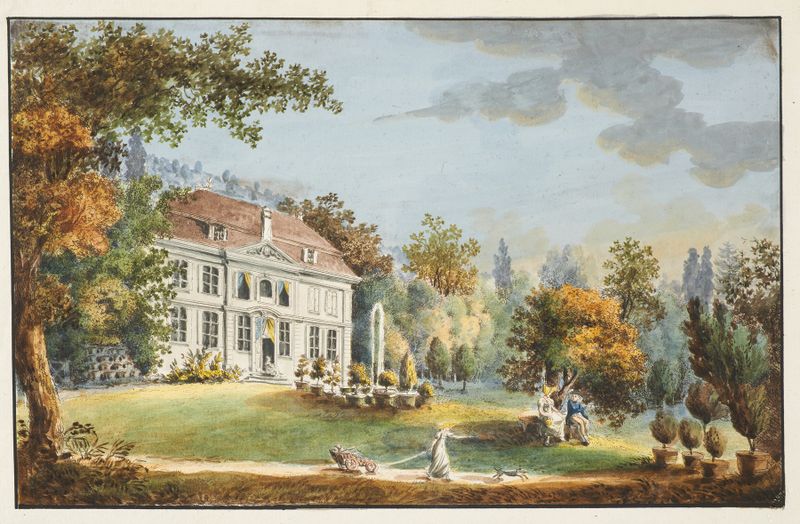
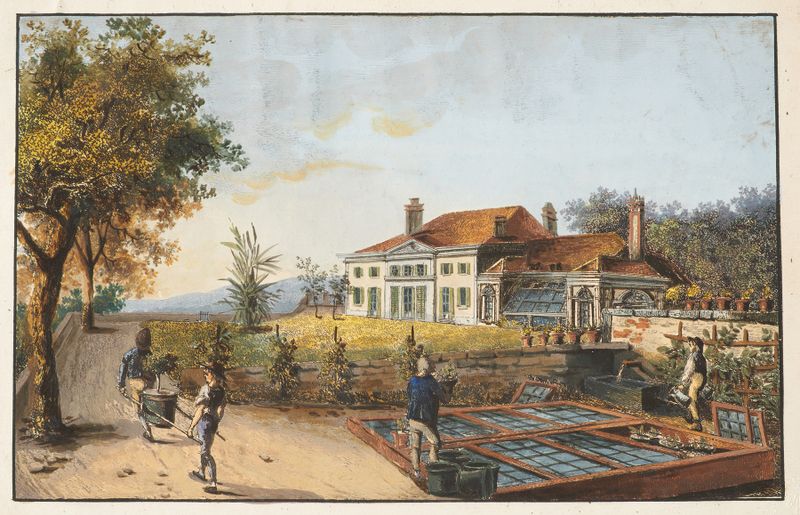
In this poignant reflection lies a whisper of fear, the fear of loss, of memory slipping away like sand through fingers. Landscapes, though seemingly eternal, hold an ephemeral essence that can dissolve into the ether of time. Look closely at the canvas. The soft, muted colors create a serene yet haunting atmosphere.
Focus on the castle, its stone walls bathed in a golden glow, standing resilient against the encroaching shadows of twilight. Notice the delicate brushwork capturing the foliage, where the interplay of light and dark evokes a sense of nostalgia and foreboding. Each detail, from the crumbling bricks to the distant mountains, invites the viewer to contemplate not only the beauty of the scene but also its inevitable decline. Within this landscape reside tensions that speak volumes.
The castle, a symbol of strength, seems to embody a haunting solitude, as if it guards secrets of the past. The fading light hints at the encroachment of darkness, mirroring the fragility of memory and existence. The stillness of the water reflects not only the physical landscape but also the inner tumult, suggesting a world caught between preservation and dissolution. Michel Vincent Brandoin created this work during a time when European art was grappling with the transition from Romanticism to Realism.
The exact date of the painting remains unknown, yet it reflects his fascination with capturing the essence of place amid changing artistic currents. Engaged in the art scene, he sought to immortalize not just what was seen, but what was felt, forging a connection between viewer and landscape that still resonates today.