A Summer Day on the Coast — History & Facts
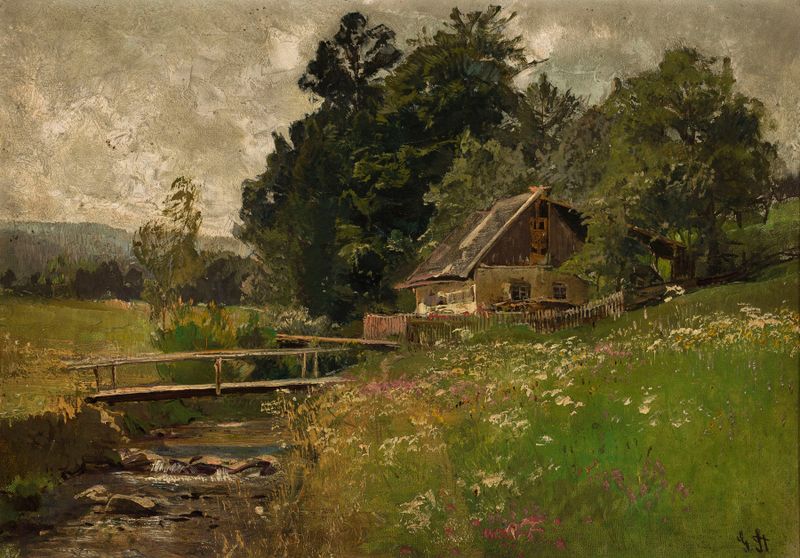
Can paint confess what words never could? In the quiet expanse of A Summer Day on the Coast, a void emerges, echoing the unspeakable longings and hidden stories of the heart. Look to the center of the canvas, where the shimmering sea meets the shore. The artist's deft brushstrokes create a delicate interplay between soft blues and warm sandy hues, inviting the viewer to explore the horizon's vastness. Notice how the sunlight dances upon the water's surface, each glint whispering secrets of an endless summer.
The gentle curves of the coastline guide your gaze, leading deeper into the tranquil scene, while wisps of cloud linger lazily above, adding a sense of serene stillness. In this seemingly peaceful landscape lies a profound tension—a juxtaposition of beauty and isolation. The expansive sea, while captivating, represents a void that suggests both freedom and longing. The absence of human figures amplifies this feeling, allowing the viewer to project their own emotions onto the canvas.
The vibrant hues contrast with the quietude of the scene, reflecting the duality of joy and melancholy inherent in fleeting summer moments. Created during an unspecified period, the painting reflects the broader context of early 20th-century art, where many artists sought to capture the transient qualities of nature and human experience. Gertrud Staats, navigating her own artistic journey, was influenced by the Impressionist movement, which emphasized light and color over detailed realism. This work stands as a testament to her exploration of the emotional landscapes that words often fail to convey, resonating with those who yearn for connection within solitude.