
A Venetian palace — History & Facts
In the interplay of light and shadow, the echoes of time linger, whispering the story of impermanence. Focus on the tranquil waters that cradle the Venetian palace, reflecting its grandeur with a sense of yearning. Notice how the artist employs soft pastels, merging hues of blue and gold, evoking both nostalgia and fleeting beauty. The delicate brushwork invites the viewer to explore each architectural detail, from the ornate windows to the majestic arches, all captured under a warm, ephemeral glow that seems to dance on the surface of the canal. Yet within this serene depiction lies a deeper contemplation of mortality.
The palace, a symbol of opulence and history, stands resilient against the passage of time, yet its reflection ripples and distorts—reminding us of the inevitable change that accompanies existence. The stillness of the water draws parallels to the stillness of life, evoking a bittersweet longing for moments that cannot be reclaimed, while the vibrant colors suggest vitality in the face of decay. During her career, Antonietta Brandeis painted this work in an era marked by shifting artistic movements and a deepening interest in tourism in Venice. Working in the late 19th century, she was part of a group of artists who captured the urban landscape, often romanticizing its beauty for the burgeoning class of travelers.
The growing popularity of impressionism also influenced her style, allowing her to explore light and color with a fresh and captivating lens.
More Artworks by Antonietta Brandeis
Browse all →
St Mark’s, Venice
Antonietta Brandeis

Venice, a View of Ponte de la Calcina on Rio di San Vio
Antonietta Brandeis
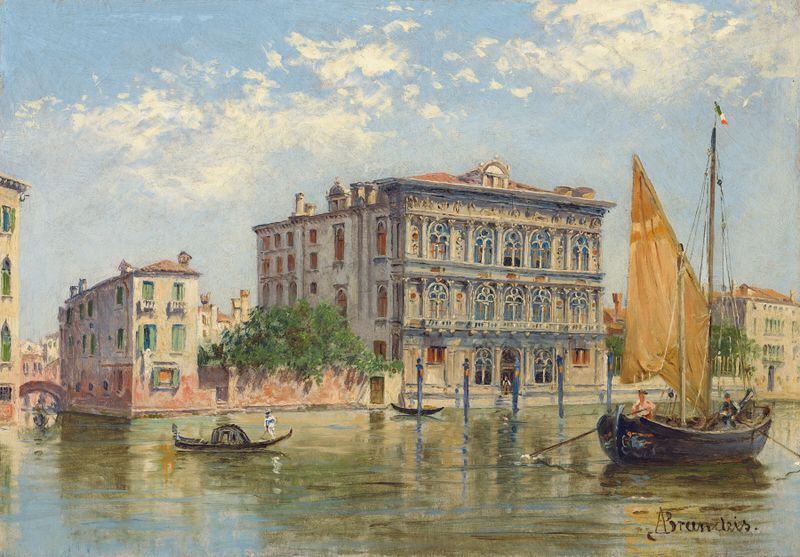
Ca’ Vendramin Calergi from the Grand Canal, Venice
Antonietta Brandeis
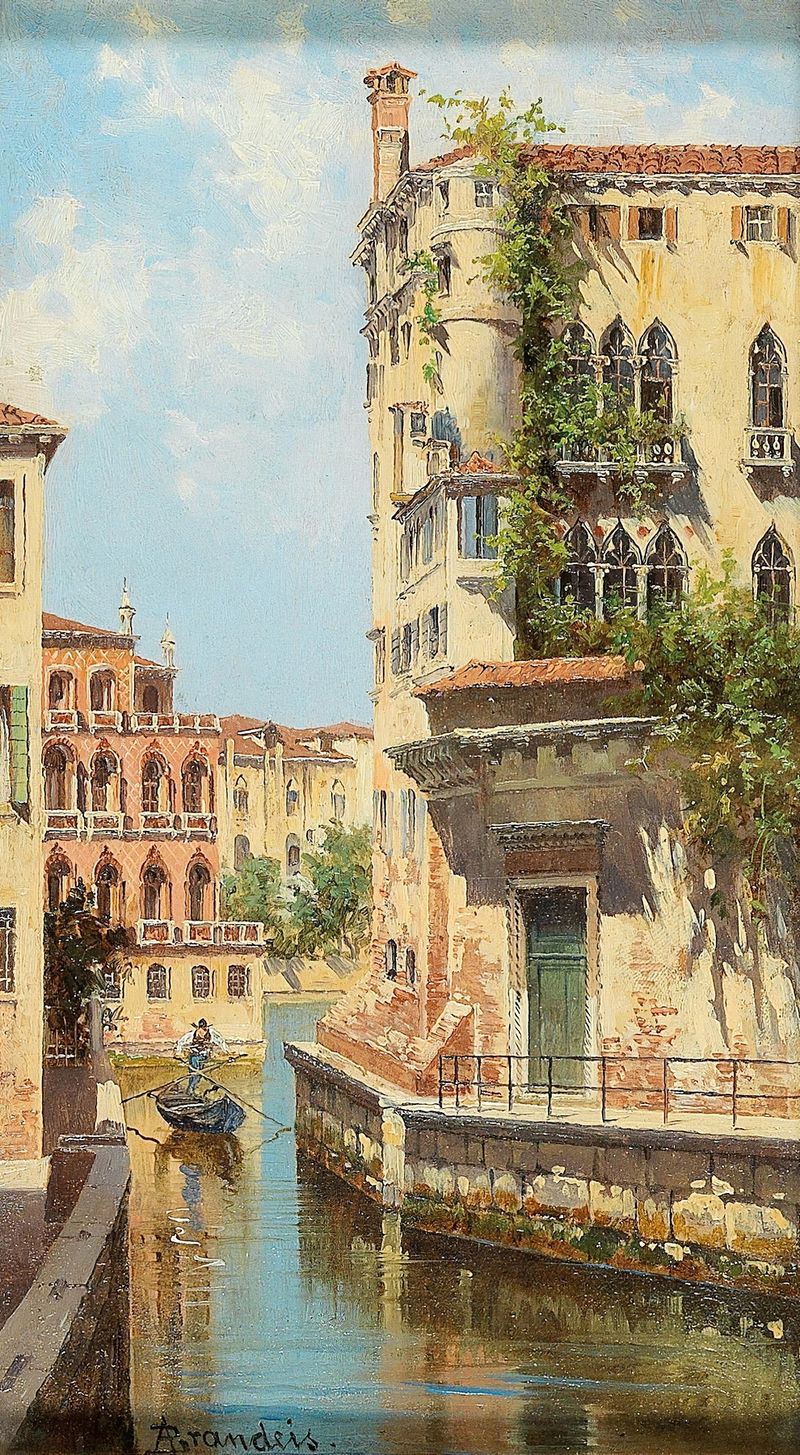
Canal In Venice With View Of The Back Of The Palazzo Rocca
Antonietta Brandeis
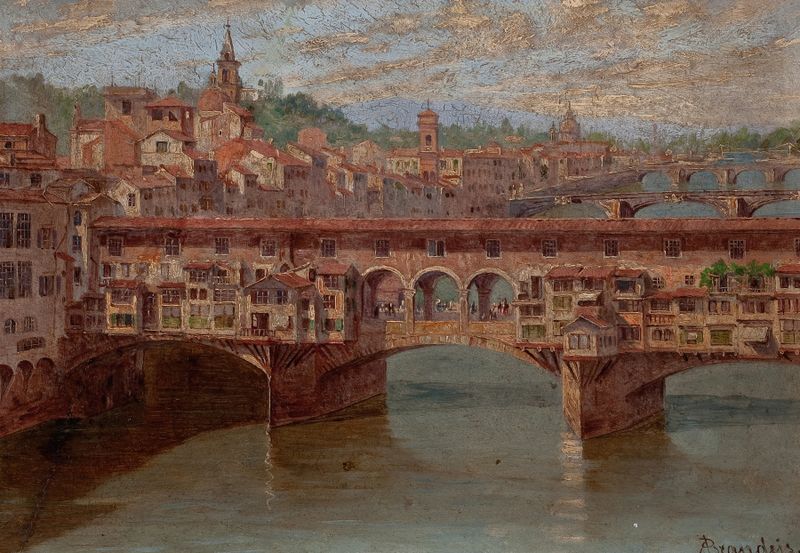
Ponte Vecchio, Florence
Antonietta Brandeis

The Grand Canal, Venice
Antonietta Brandeis
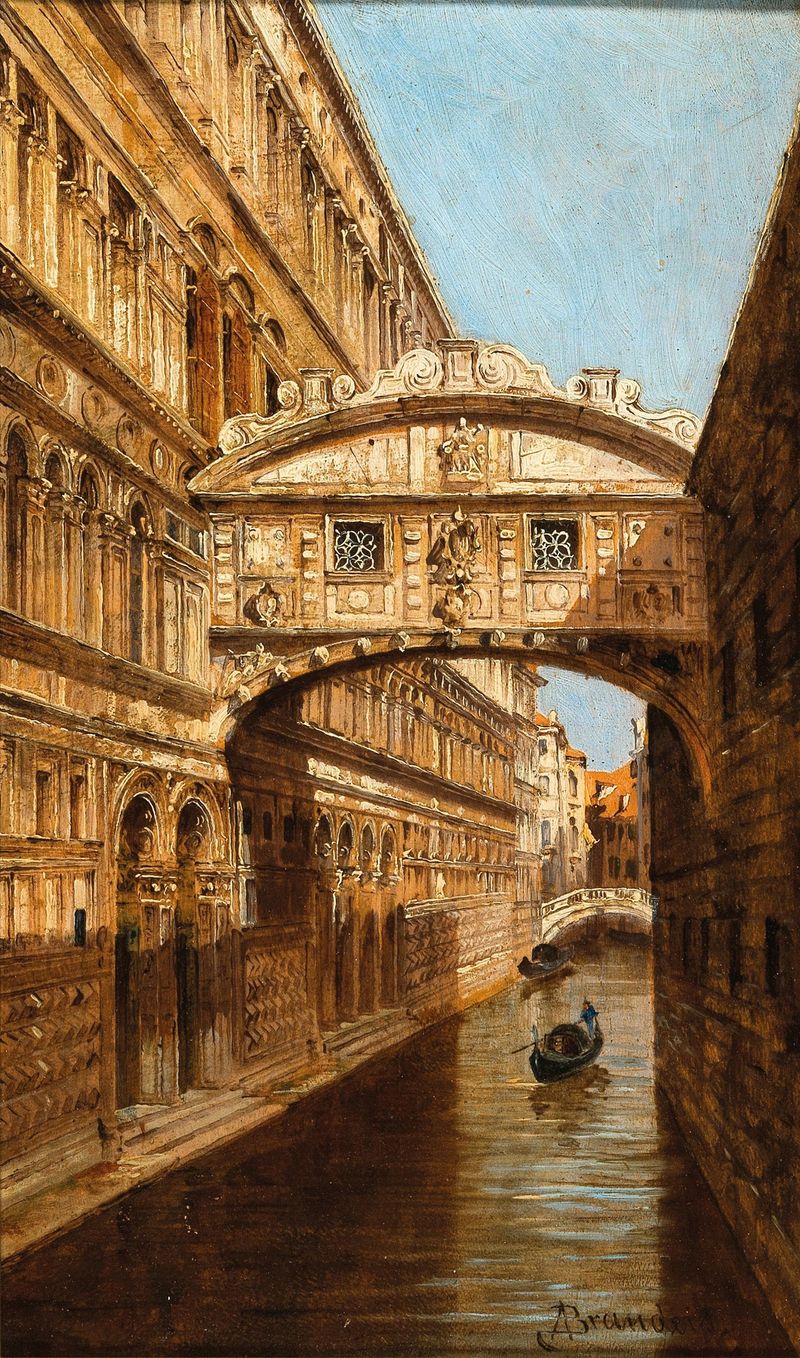
Venice, Le ponte dei Sospiri, Venezia
Antonietta Brandeis
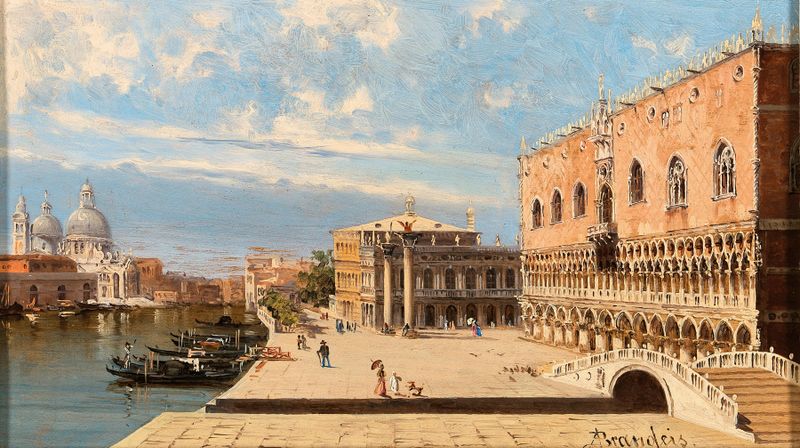
Il Palazzo Ducale Venezia
Antonietta Brandeis
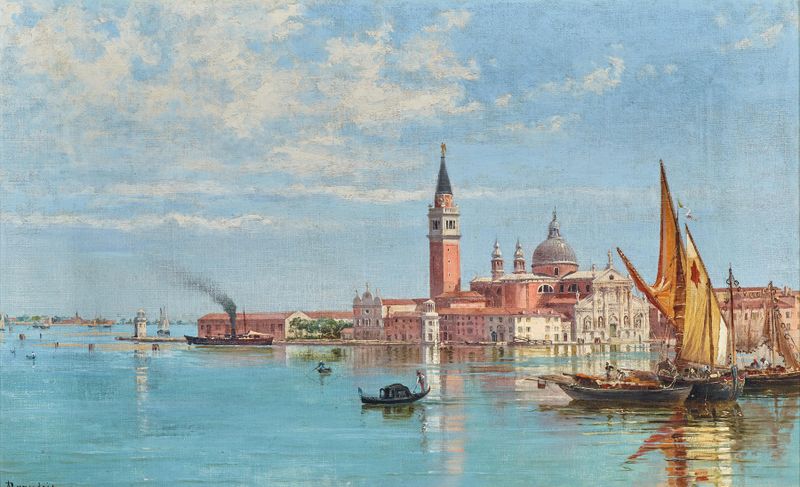
Venice, a View of San Giorgio Maggiore
Antonietta Brandeis
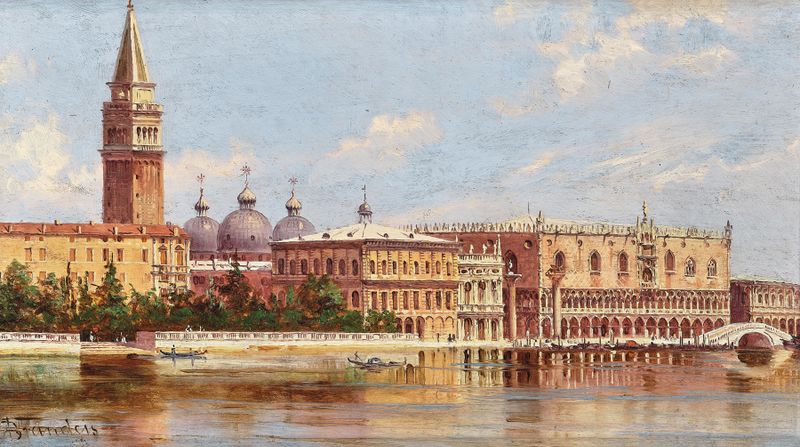
Venice, a View of the Bacino di San Marco
Antonietta Brandeis
More Architecture Art
Browse all →
The statue of Liberty
Frédéric Auguste Bartholdi

View of Houses in Delft, Known as ‘The Little Street’
Johannes Vermeer

View of Houses in Delft, Known as ‘The Little Street’
Johannes Vermeer

The Cathedral in Rouen. The portal, Grey Weather
Claude Monet

The yellow house
Vincent van Gogh

The Church in Auvers-sur-Oise, View from the Chevet
Vincent van Gogh