
A View Of A Dutch Town — History & Facts
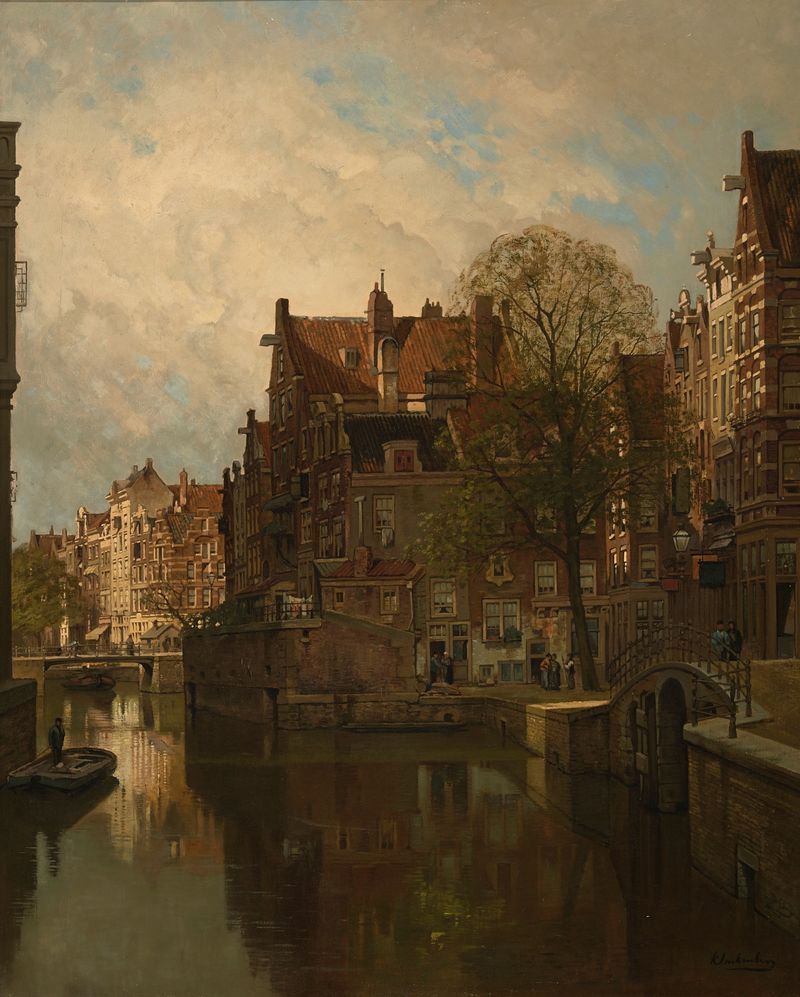
Did the painter know this moment would outlive them? In the gentle caress of daylight, a scene unfolds where time seems tethered to the canvas, as if destiny itself is captured in a single brushstroke. Look to the foreground where the winding canal stretches like a glimmering ribbon, inviting the viewer to wander its path. Notice how the play of light dances across the water’s surface, reflecting the vibrant hues of the buildings lining the banks. The pastel shades of the houses create a harmonious contrast with the deep blues of the sky, enriching the serene atmosphere.
Each brushstroke conveys meticulous detail, from the texture of the bricks to the delicate foliage, drawing the eye deeper into this charming Dutch town. Amidst the tranquility, there lies a subtle tension between the idyllic setting and the shadows that suggest a fleeting moment in time. The figures, seemingly engaged in their daily lives, hint at stories untold—each gesture rich with unspoken emotions. The bright light illuminating the scene contrasts with the muted shadows in the alleyways, suggesting that while life carries on, darker undertones of existence linger just out of view. Klinkenberg created this work during a period marked by the flourishing of the Dutch landscape genre, likely in the late 19th to early 20th century.
Living in the Netherlands, he was influenced by the natural beauty surrounding him and the rich traditions of his predecessors. At that time, artists were increasingly exploring the interplay of light and color, forging a new path that would resonate in the art world for generations to come.
More Artworks by Johannes Christiaan Karel Klinkenberg
Browse all →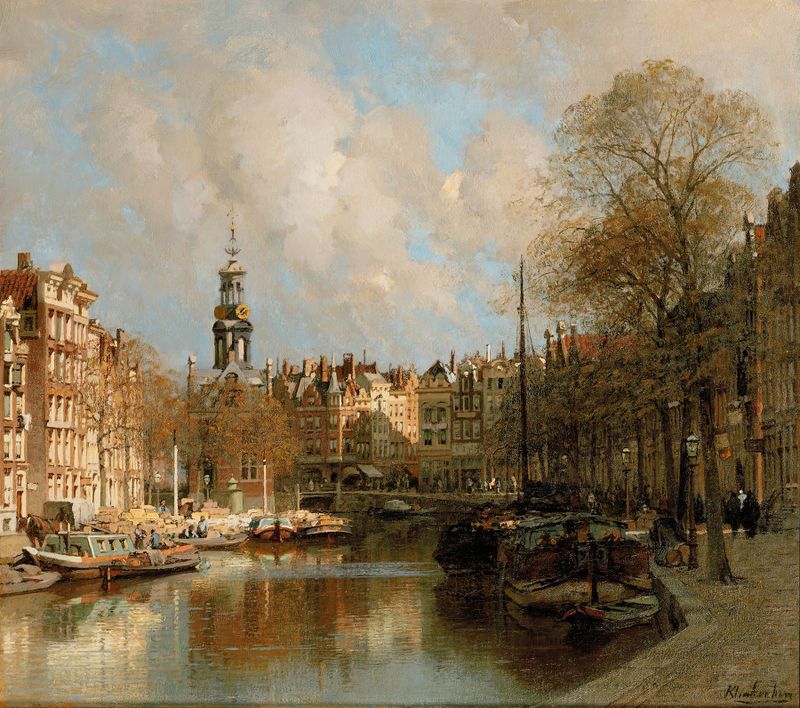
View of the Singel and the Bloemmarkt near the Munt, Amsterdam
Johannes Christiaan Karel Klinkenberg
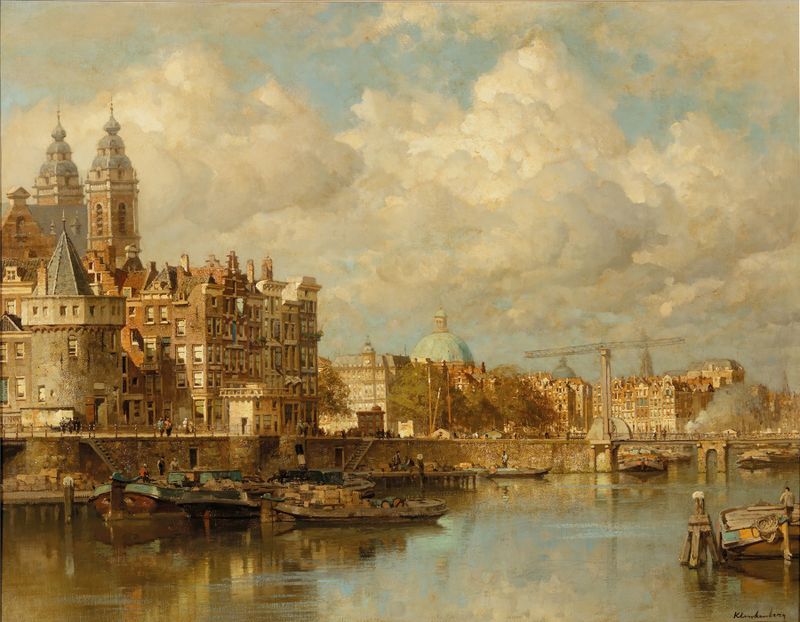
A view of the Prins Hendrikkade with the St Nicolaas Church, he Schreierstoren and the Lutherian church, Amsterdam
Johannes Christiaan Karel Klinkenberg
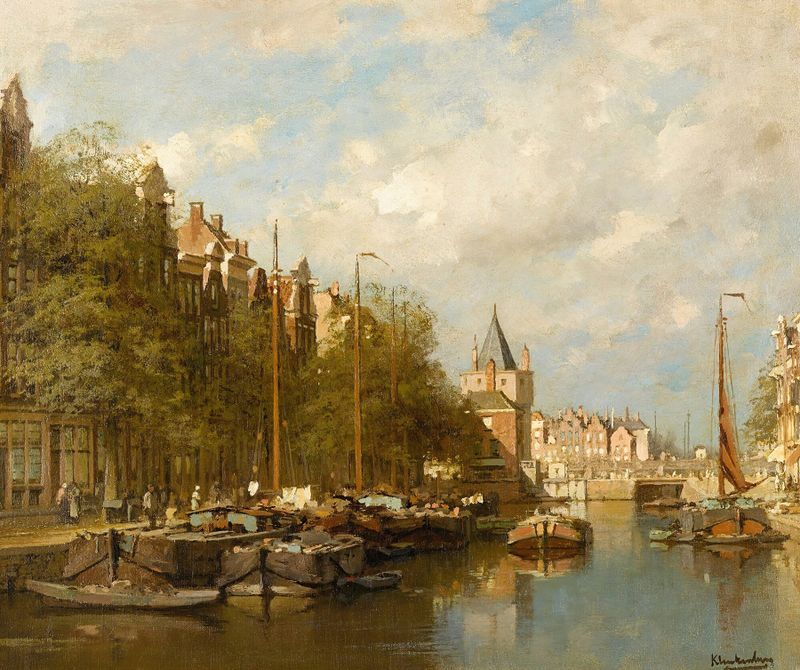
The Schreierstoren, Amsterdam
Johannes Christiaan Karel Klinkenberg
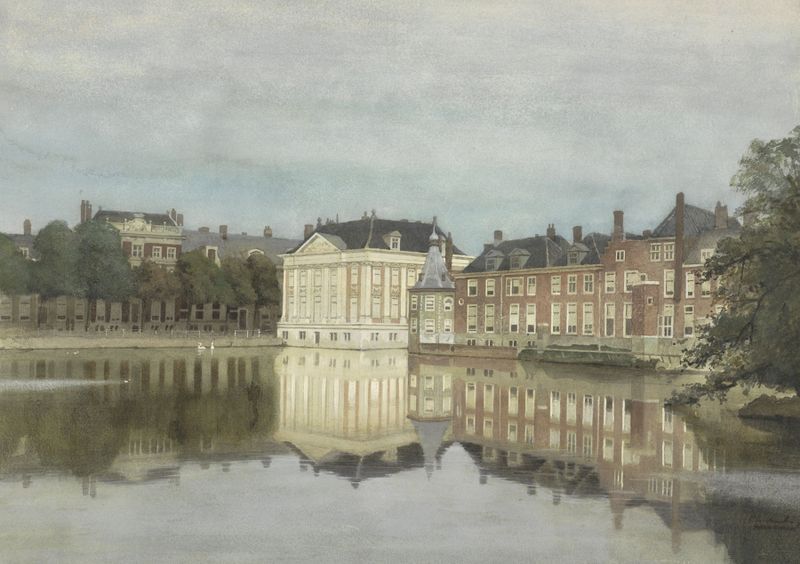
Hofvijver met Mauritshuis
Johannes Christiaan Karel Klinkenberg
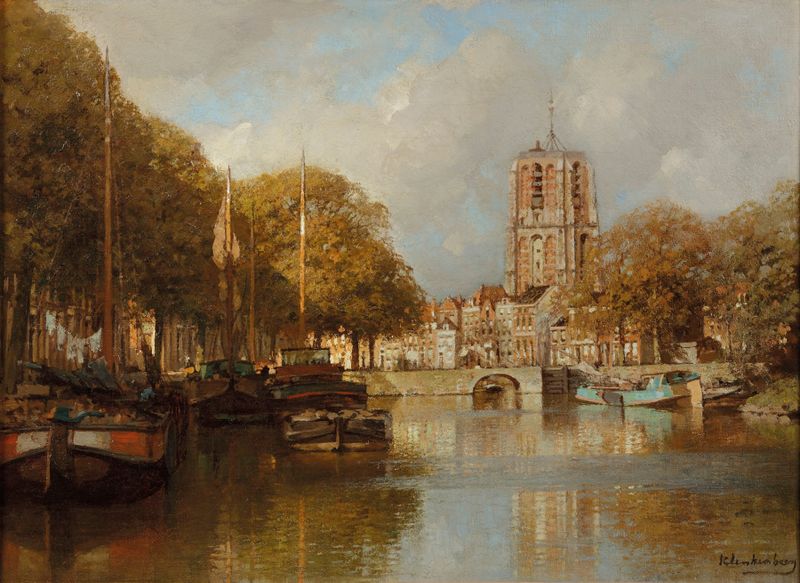
A View Of Leeuwarden With The Oldenhove
Johannes Christiaan Karel Klinkenberg
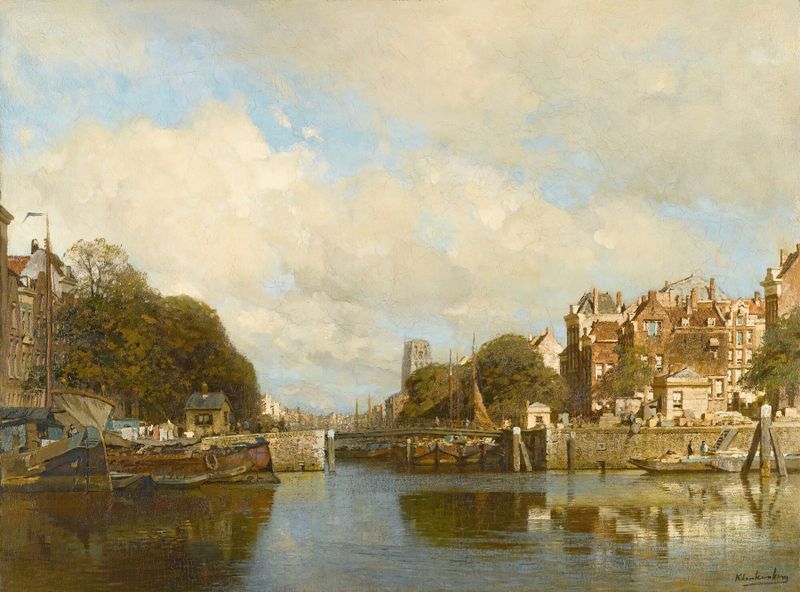
Rotterdam, With The Laurenskerk In The Background
Johannes Christiaan Karel Klinkenberg
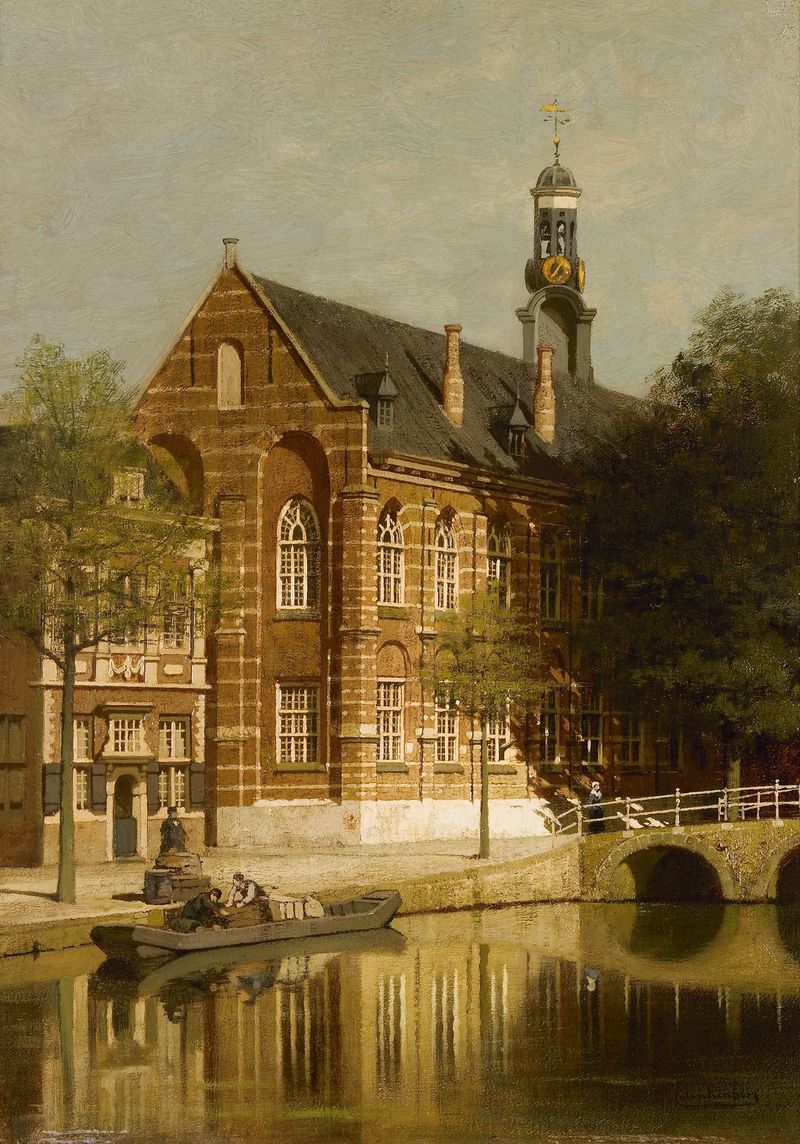
Gezicht op Leiden
Johannes Christiaan Karel Klinkenberg
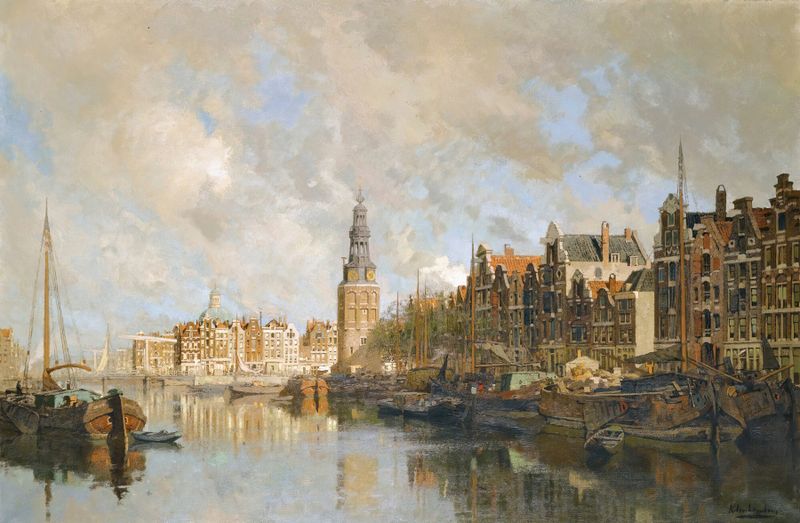
Montelbaanstoren, Amsterdam
Johannes Christiaan Karel Klinkenberg
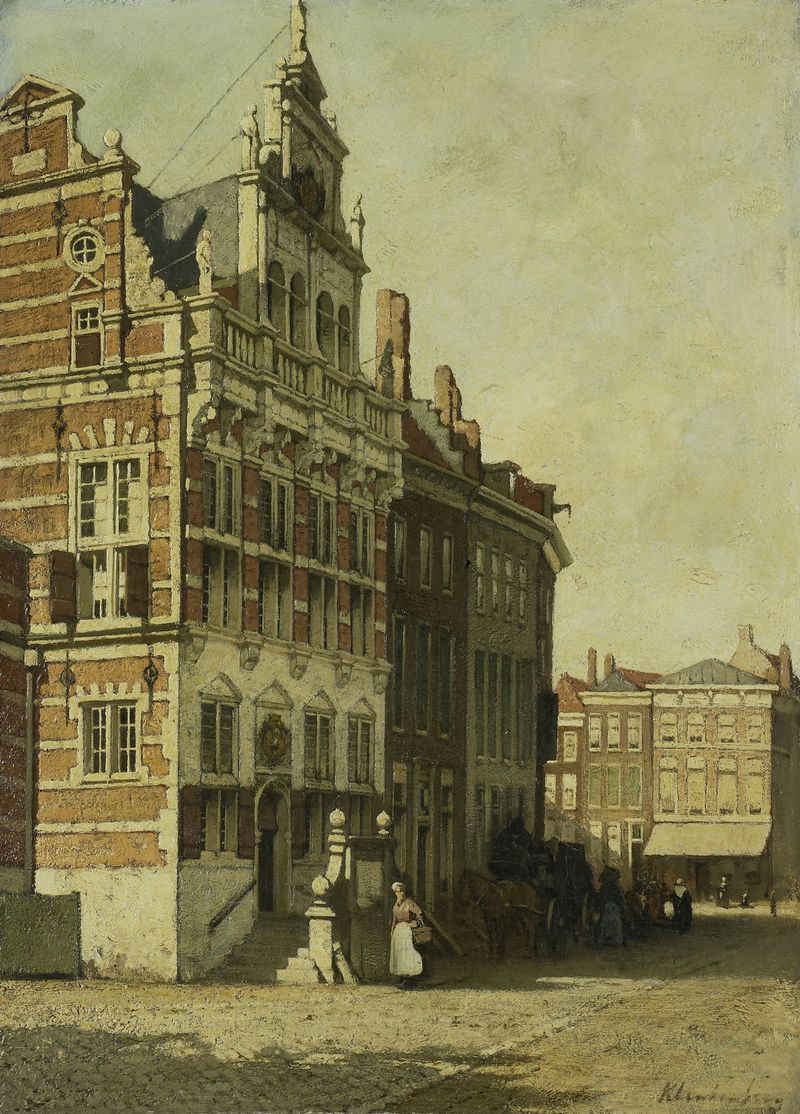
The Town Hall, The Hague
Johannes Christiaan Karel Klinkenberg
A view of Grimburgwal, Amsterdam
Johannes Christiaan Karel Klinkenberg





