
The Town Hall, The Hague — History & Facts
Is this a mirror — or a memory? The shimmering reflections in the water invite us to ponder the transient nature of time, a union of hope woven through the fabric of everyday life. Look to the left at the serene figure of a woman, her soft silhouette poised as if caught in a moment of reflection. The rippling water acts as both canvas and glass, capturing the essence of the grand Town Hall while blurring its edges, creating an ethereal quality. Notice how the warm hues of ochre and gold contrast with the deep blues of the water, inviting a sense of harmony and tranquility as the light dances across the surface. As you delve deeper, a sense of nostalgia permeates the scene, evoking the idea of urban life as fleeting yet profoundly beautiful.
The Town Hall stands resolute, its majestic architecture juxtaposed against the gentle ripples, symbolizing the coexistence of permanence and impermanence. Subtle brushstrokes capture the ever-changing reflections, reminding us of the layers of experience that shape our perception of place and memory. This artwork emerged during a transformative period for its creator, who painted it in the late 19th century, a time marked by both the rise of Impressionism and a shift in social dynamics across Europe. Living in The Hague, Klinkenberg was influenced by the burgeoning art scene, experimenting with light and atmosphere to evoke emotion.
His focus on urban landscapes reflects the hope and vitality of a world finding new ways to connect with beauty amidst the mundane.
More Artworks by Johannes Christiaan Karel Klinkenberg
Browse all →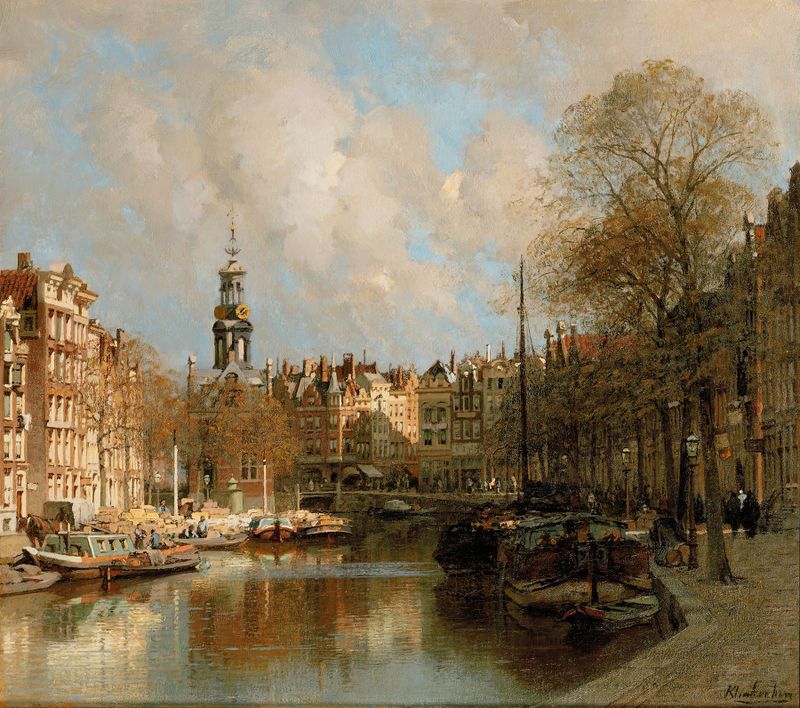
View of the Singel and the Bloemmarkt near the Munt, Amsterdam
Johannes Christiaan Karel Klinkenberg
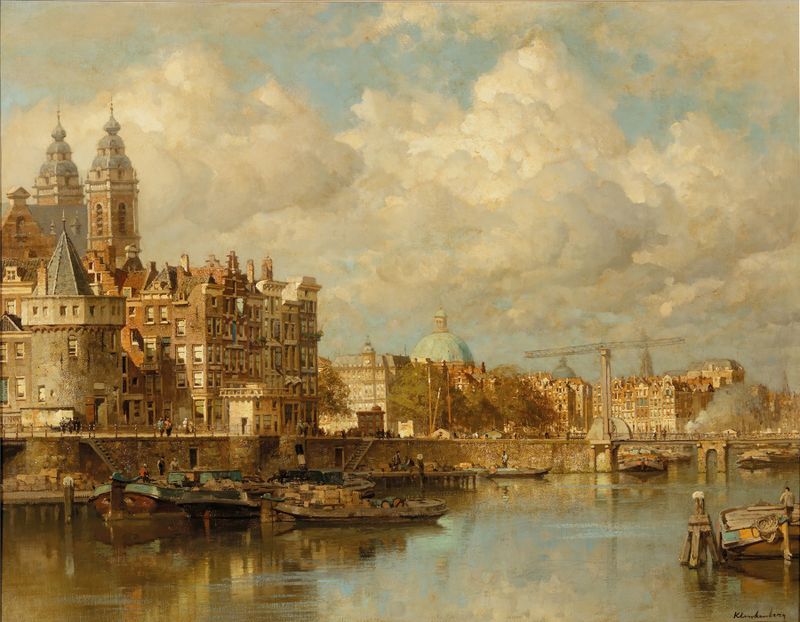
A view of the Prins Hendrikkade with the St Nicolaas Church, he Schreierstoren and the Lutherian church, Amsterdam
Johannes Christiaan Karel Klinkenberg
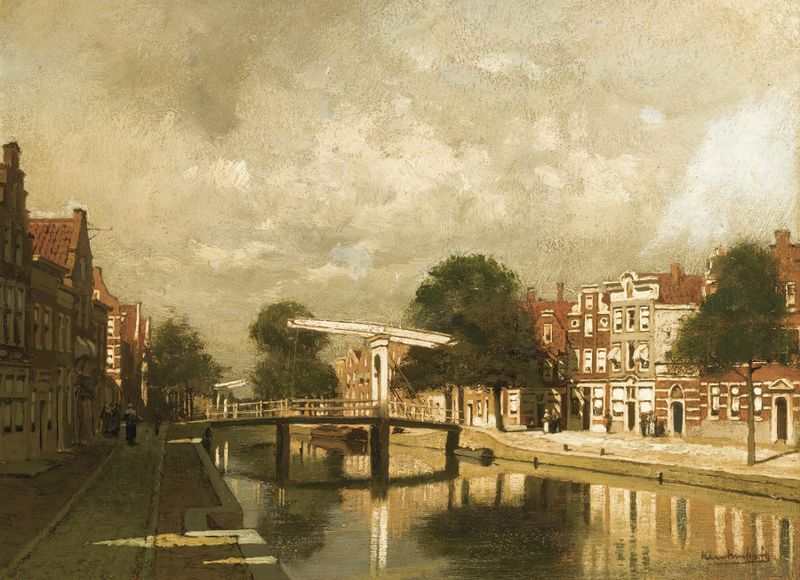
A View Of A Dutch Town
Johannes Christiaan Karel Klinkenberg
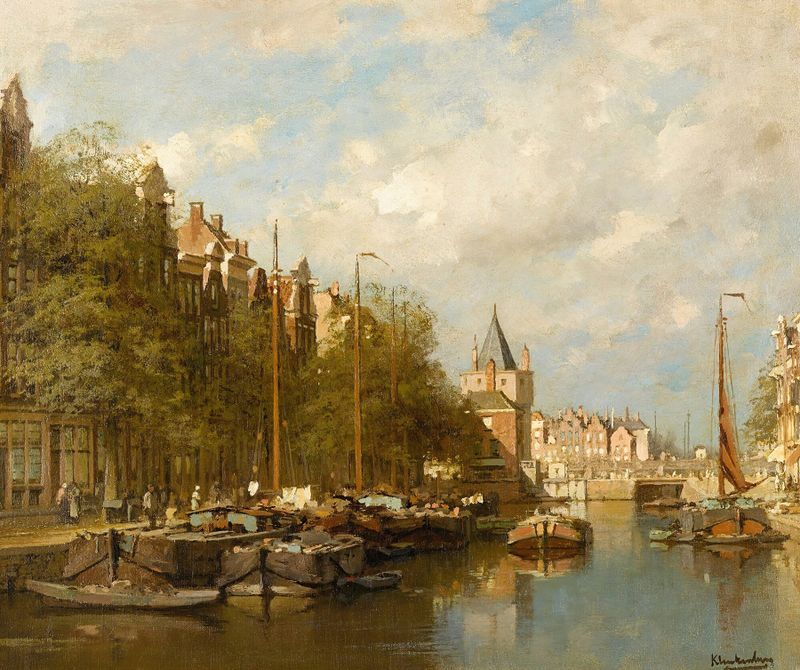
The Schreierstoren, Amsterdam
Johannes Christiaan Karel Klinkenberg
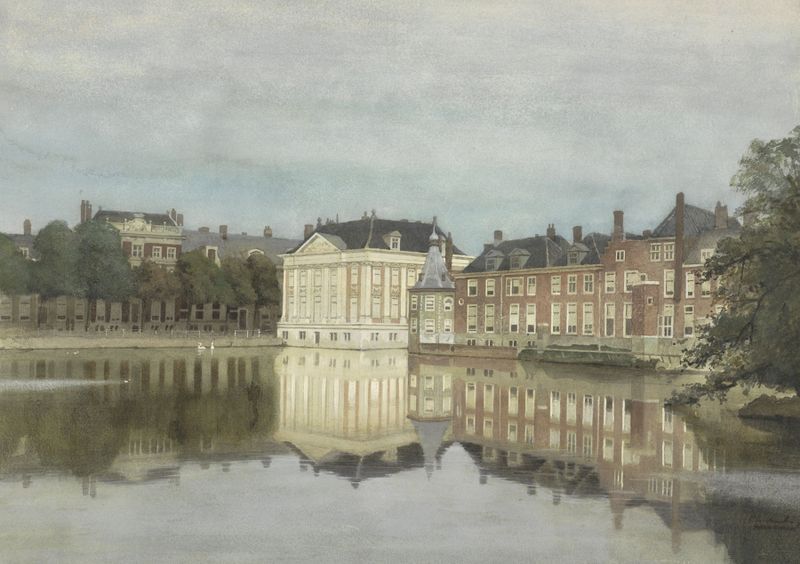
Hofvijver met Mauritshuis
Johannes Christiaan Karel Klinkenberg
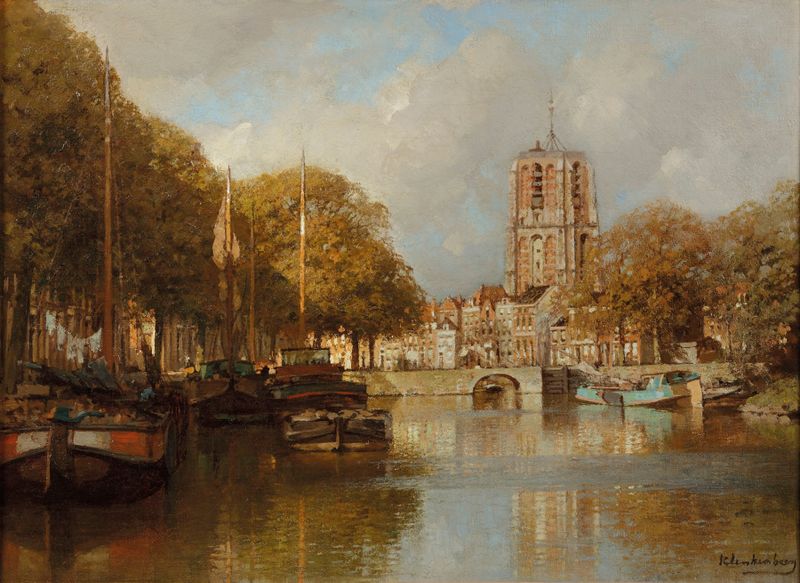
A View Of Leeuwarden With The Oldenhove
Johannes Christiaan Karel Klinkenberg
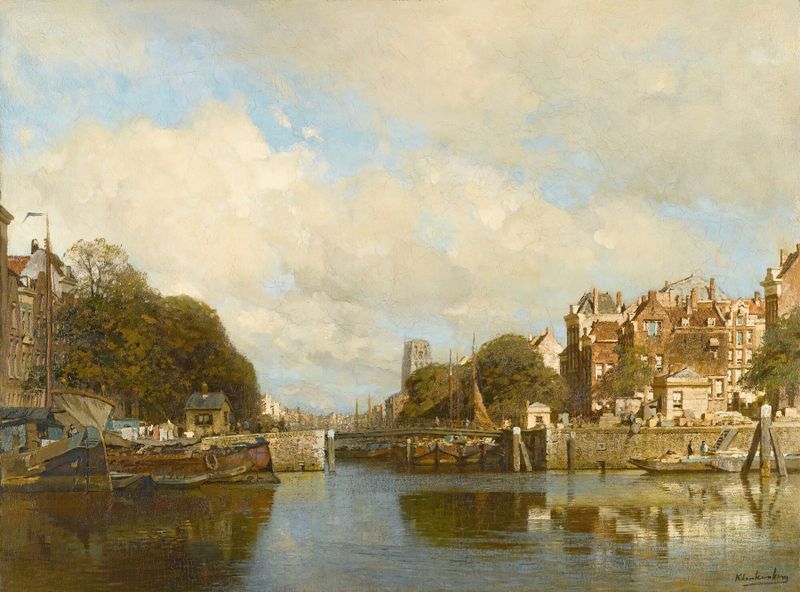
Rotterdam, With The Laurenskerk In The Background
Johannes Christiaan Karel Klinkenberg
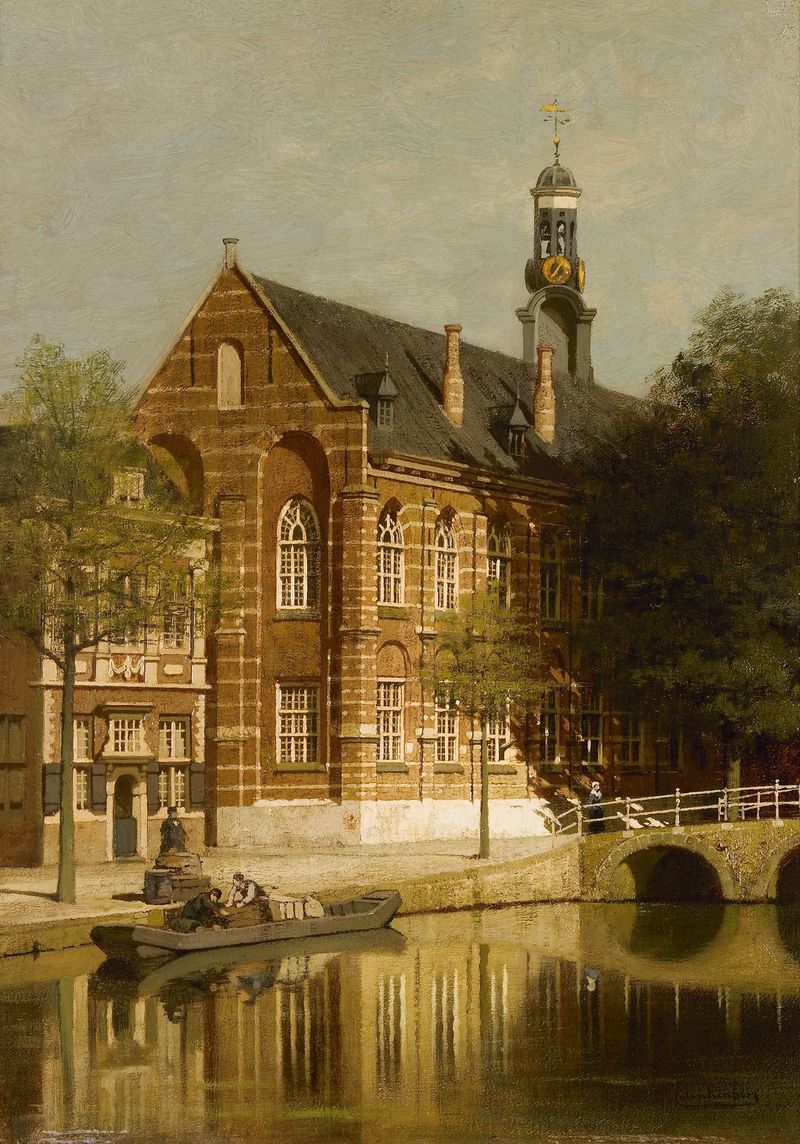
Gezicht op Leiden
Johannes Christiaan Karel Klinkenberg
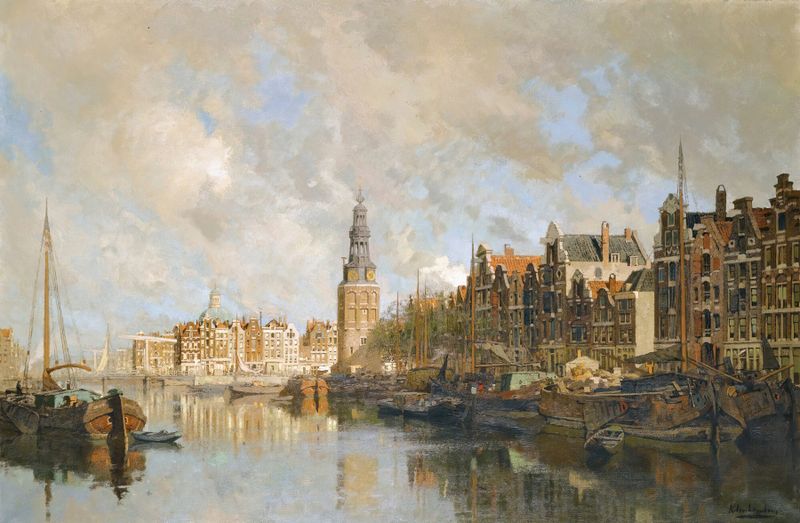
Montelbaanstoren, Amsterdam
Johannes Christiaan Karel Klinkenberg
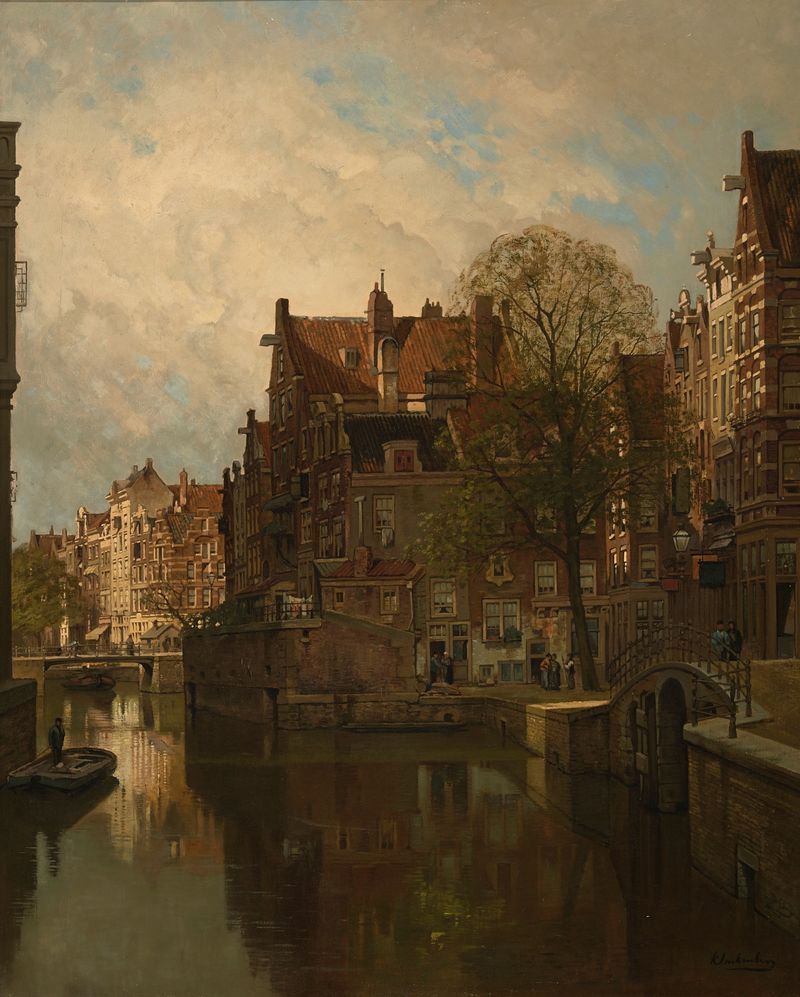
A view of Grimburgwal, Amsterdam
Johannes Christiaan Karel Klinkenberg
More Architecture Art
Browse all →
The statue of Liberty
Frédéric Auguste Bartholdi

View of Houses in Delft, Known as ‘The Little Street’
Johannes Vermeer

View of Houses in Delft, Known as ‘The Little Street’
Johannes Vermeer

The Cathedral in Rouen. The portal, Grey Weather
Claude Monet

The yellow house
Vincent van Gogh

The Church in Auvers-sur-Oise, View from the Chevet
Vincent van Gogh