A view of Cults — History & Facts
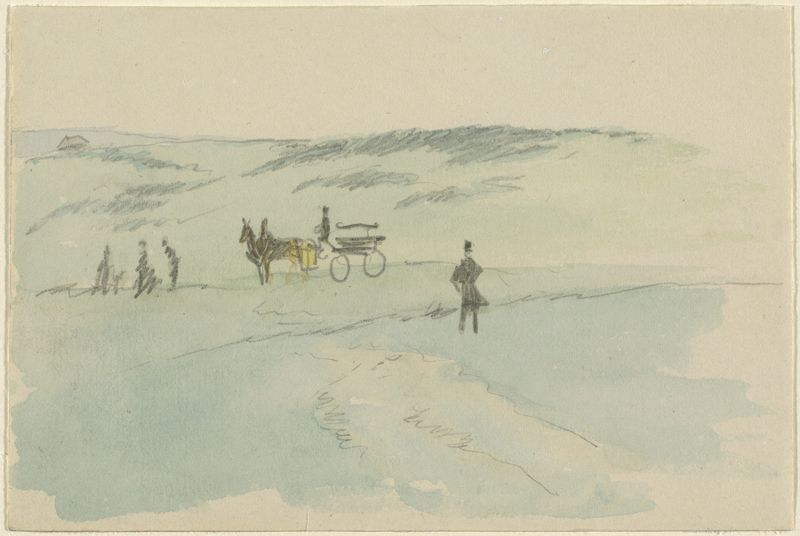
Can paint confess what words never could? In the stillness of a landscape, truth emerges through every brushstroke, revealing the essence of a moment untouched by time. Look to the foreground where soft greens and browns blend seamlessly, guiding your gaze into the rolling hills beyond. The delicate interplay of light casts gentle shadows that dance across the scenery, drawing attention to the quaint architecture nestled among the trees. Notice how the artist masterfully employs a muted palette, allowing the subtle variations in hue to evoke a sense of calm and serenity. Beneath this tranquil exterior lies a poignant contrast—the juxtaposition of nature's beauty against human habitation.
The distant village, though inviting, hints at the complexities of life and the stories of its inhabitants. Shadows linger, whispering of untold histories, while the open sky suggests both freedom and isolation, a duality that resonates deeply within the viewer's heart. During the time this work was created, Sir David Wilkie was navigating the tumultuous waters of the art world in the early 19th century. Living in London, he was grappling with both personal and professional challenges, including shifts in artistic taste and the rise of Romanticism.
A view of Cults reflects a moment where he sought solace in nature, capturing a fusion of realism and romantic idealism that would later define his legacy.