A view of Lauterbrunnen and Staubbach Falls, Switzerland — History & Facts
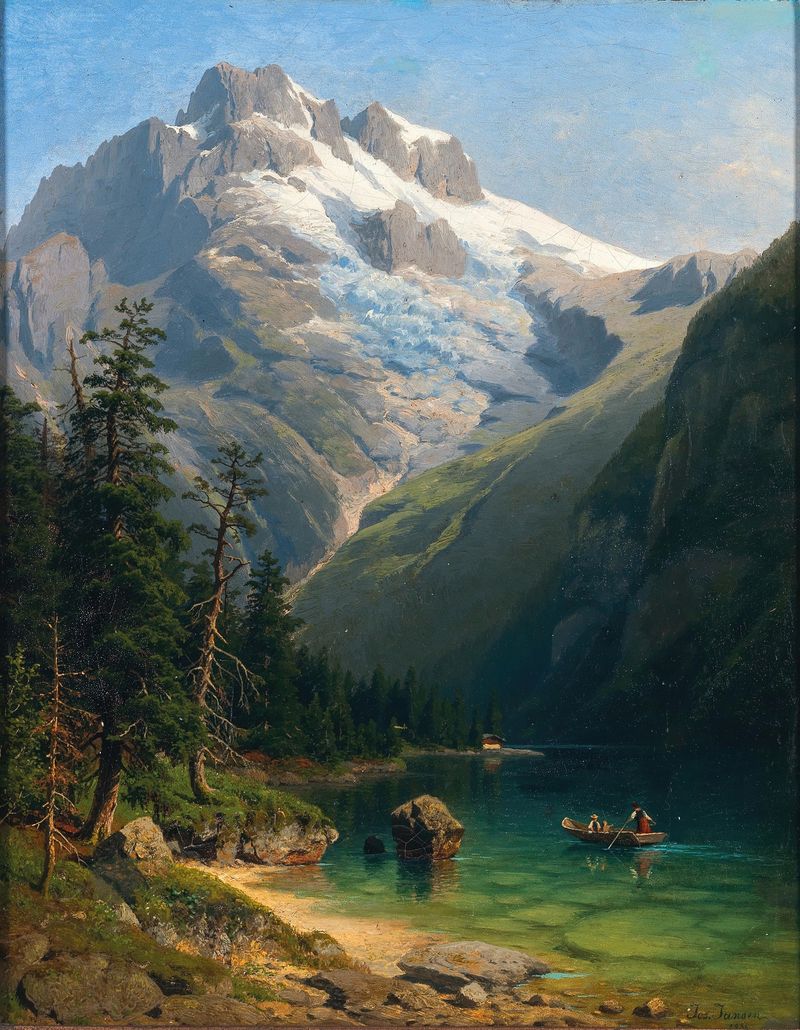
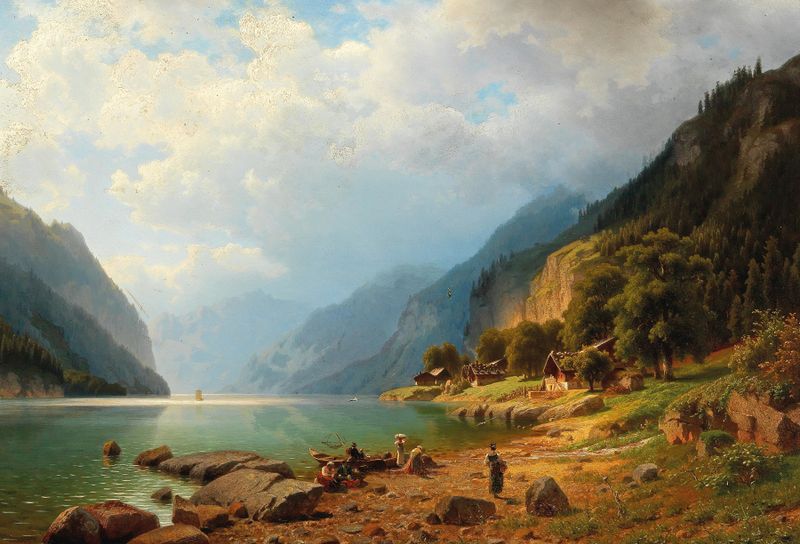
Where does light end, and longing begin? In the heart of the Swiss Alps, a landscape reveals a profound tension between nature’s beauty and the human desire for connection, hinting at the ever-present specter of betrayal. Look closely at the cascading Staubbach Falls, the water tumbling down the cliffs with a silken grace. Notice how the sunlight dances across the mist, creating momentary rainbows that soar through the air, inviting us to linger. The valleys stretch into the distance, lush greens enveloped in soft shadows, while the peaks rise sharply against a cobalt sky.
Each brushstroke conveys both the majesty of the Alps and the subtle emotional weight of solitude inherent in such grandeur. Deeper inspection reveals contrasts that speak to the heart. The vibrant greens of the valley juxtapose the cold, stony gray of the mountains, mirroring the duality of beauty and isolation. The distant village, tranquil yet distant, evokes a sense of longing — a desire to belong that feels just out of reach.
This landscape becomes a canvas for our own emotional betrayals, reminding us that even within the most serene settings, inner turmoil often simmers beneath the surface. The artist, Johann Joseph Jansen, created this piece during a time when Romanticism was reshaping perceptions of nature and human emotion. Working in Switzerland, he was surrounded by the dramatic landscapes that inspired countless artists of his era. The work reflects not just Jansen’s technical prowess but also a burgeoning exploration of the complex relationship between man and nature, a theme that resonated deeply amid the socio-political upheavals of the 19th century, where betrayal of ideals was all too common.