
A View of Little St. Mark’s Place at Venice to the Sea — History & Facts
When did color learn to lie? In a world painted by light, the hues of reality often blur with dreams, awakening visions of places that resonate deep within our souls. Look to the foreground, where the bustling activity of the canal sets the scene. The rippling surface reflects an array of colors — greens and blues dancing with the warm terracotta of the buildings lining the shore. Notice how Bowles employs a delicate brushstroke to imbue life into the figures traversing the piazza, their gestures frozen in the rhythm of daily Venetian life.
The sky looms above, a soft gradient suggesting the transition from day to twilight, inviting a sense of stillness amidst movement. Within this portrayal lies a profound tension between the serene and the chaotic. The atmospheric perspective creates depth, drawing us into a world that feels both tangible and distant, while the juxtaposition of the vibrant water against the muted tones of the architecture whispers of unseen stories. Each detail hints at the intricate dance between the human experience and the eternal backdrop of nature — a reminder that in every corner of life, there is beauty waiting to awaken. Thomas Bowles III created this artwork during a period of artistic exploration, likely in the late 18th century, when Venice was a hub of creativity and cultural exchange.
Despite the ambiguity of its exact date, the painting reflects the transitional moment in art history where romanticism began to intertwine with realism. Bowles’ intimate connection with the city suggests a personal journey of discovery, both for the artist and for the viewer who wanders through this enchanting vista.
More Artworks by Thomas Bowles III
Browse all →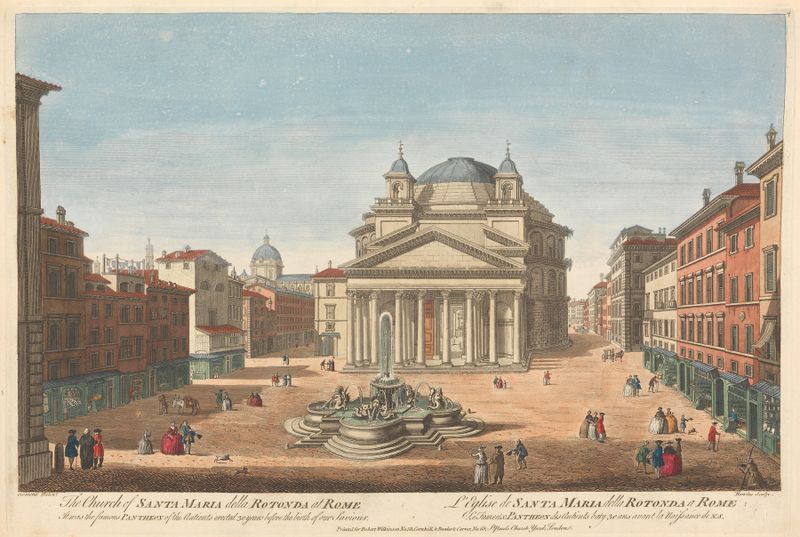
The Church of Santa Maria della Rotonda at Rome; It was the famous Pantheon of the Antients erected 30 years before the birth of our Saviour
Thomas Bowles III

The South West Prospect of London, from Somerset Gardens to the Tower
Thomas Bowles III
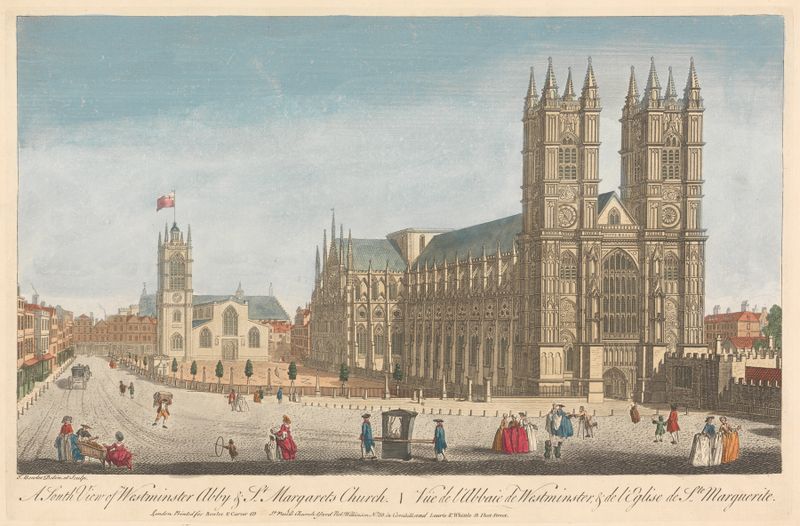
A South View of Westminster Abby & St. Margarets Church
Thomas Bowles III
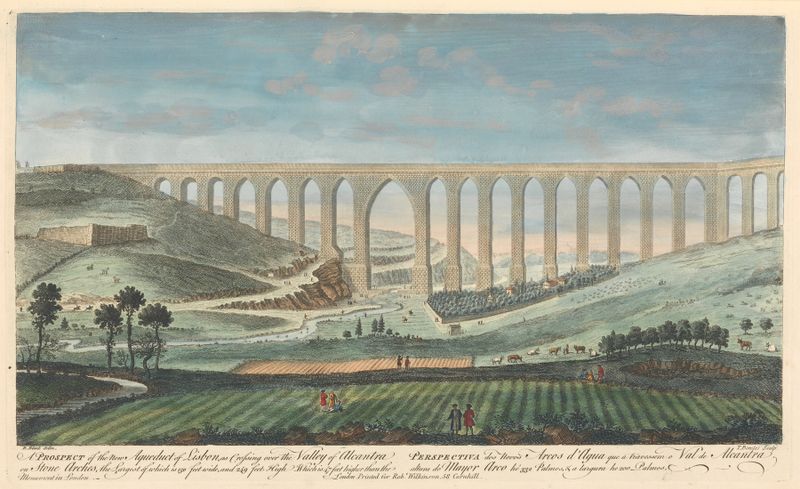
A Prospect of the New Aqueduct of Lisbon
Thomas Bowles III
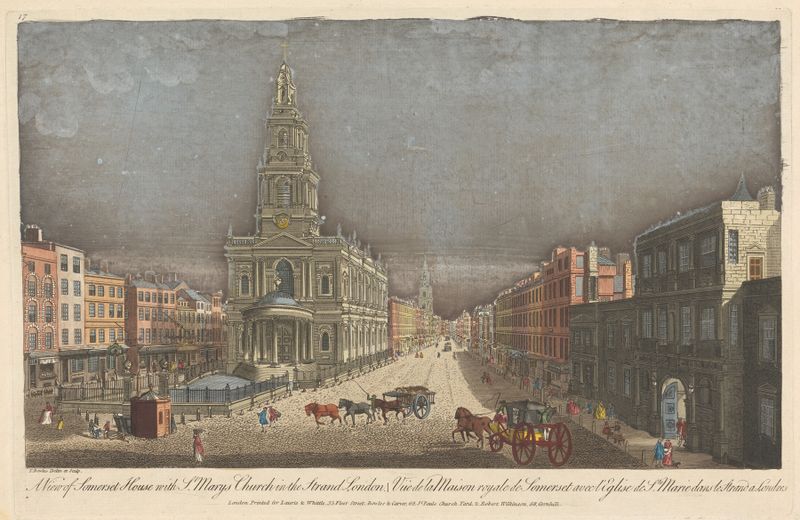
A View of Somerset House with St. Mary’s Church in the Strand London
Thomas Bowles III
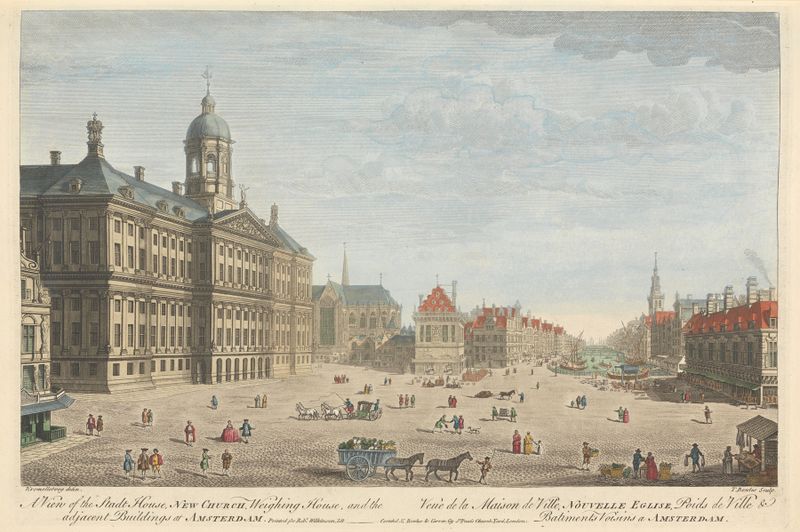
A View of the Stadt House, New Church, Weighing House, and the adjacent Buildings at Amsterdam
Thomas Bowles III
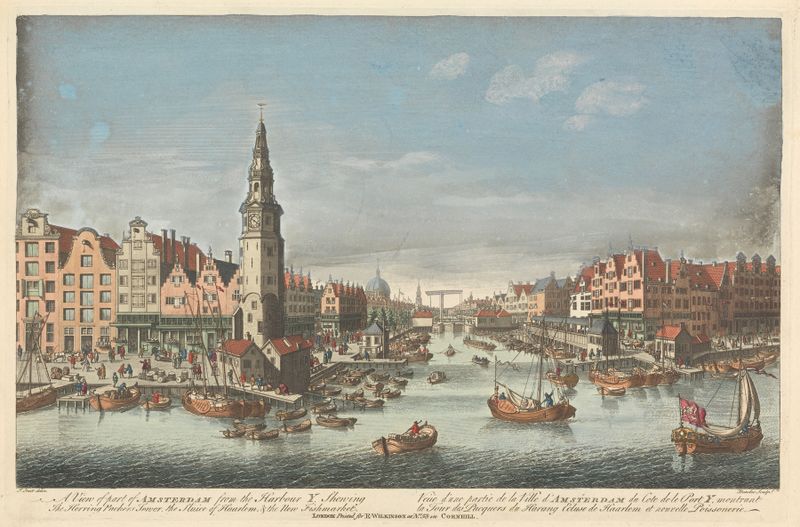
A View of part of Amsterdam from the Harbour Y, Shewing the Herring Packers Tower, the Sluice of Haarlem, & the New Fishmarket
Thomas Bowles III
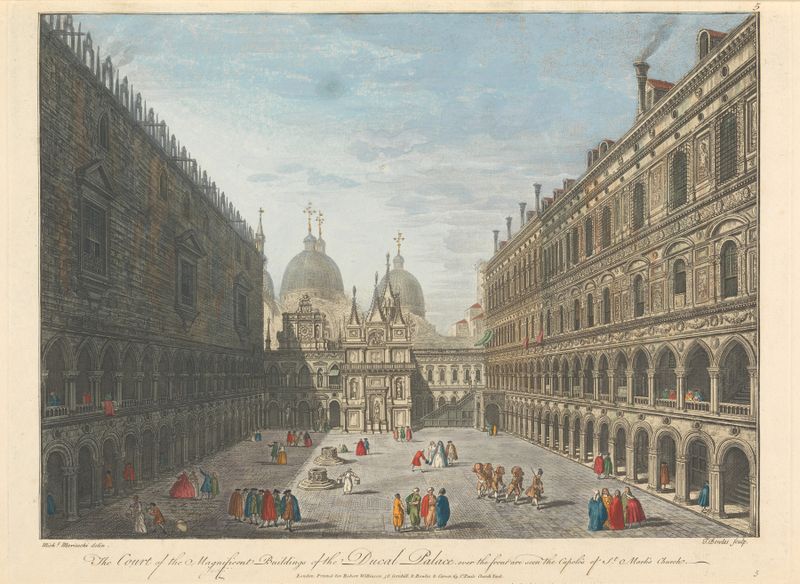
The Court of the Magnificent Building of the Ducal Palace over the front are seen the Cupolo’s of St. Mark’s Church.
Thomas Bowles III
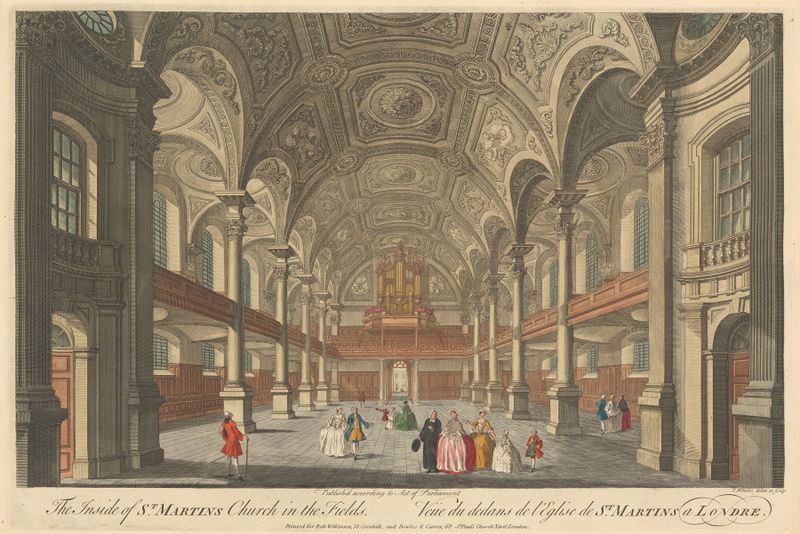
The Inside of St. Martin’s Church in the Fields
Thomas Bowles III
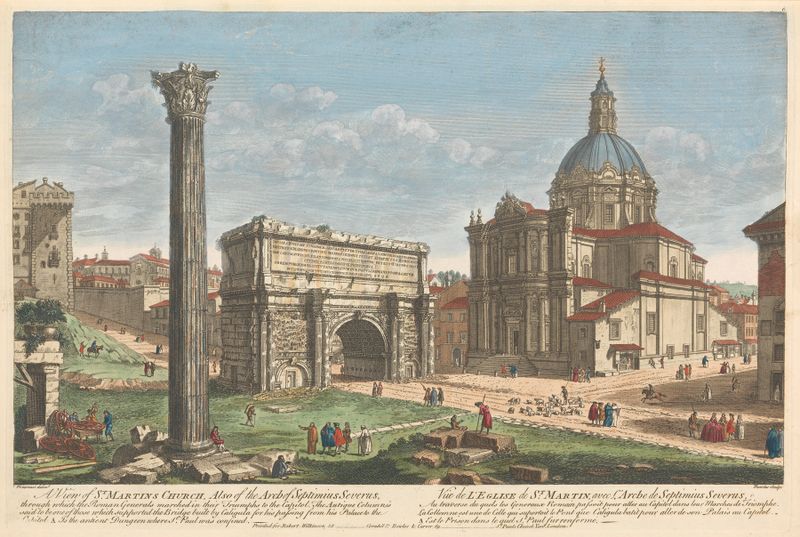
A View of St. Martin’s Church, Also of the Arch of Septimius Severus, through which the Roman Generals marched in their Triumphs to the Capitol.
Thomas Bowles III





