A View of part of St. Mary’s Church — History & Facts
What if silence could speak through light? In the stillness of an empty church, a haunting sense of loneliness reverberates through the air, reflecting the solitude of both space and spirit. Look to the left, where the cool light filters through tall, narrow windows, casting delicate shadows upon the stone walls. The soft hues of gray and beige mingle to create a serene yet somber atmosphere, inviting the viewer to linger in the quiet grandeur of the architecture. Notice the restrained detail in the carved stone, each line etched with care, embodying both beauty and the passage of time.
The composition gently guides your eye upwards, as if urging you to consider the weight of history captured within these sacred walls. The emotional tension lies in the juxtaposition of the church's grandeur against its evident emptiness. Every shadow seems to whisper stories of those who once gathered here, now replaced by an echoing silence that highlights the spiritual void. The interplay of light and shadow speaks to the fragility of faith and the isolation that can reside even in places meant for connection.
A single flicker of illumination on the altar draws attention to the possibility of solace, yet it casts an even deeper reminder of absence. In 1755, John Donowell painted this evocative piece during a time when the art world was gradually shifting towards Romanticism, emphasizing emotion and individual experience. Residing in England, he found himself amidst an evolving landscape of artistic expression, where the exploration of personal and spiritual themes began to flourish. This work stands as a reflection of both his introspection and the broader cultural currents of his time, inviting contemplation on the enduring power of architecture and light.
More Artworks by John Donowell
Browse all →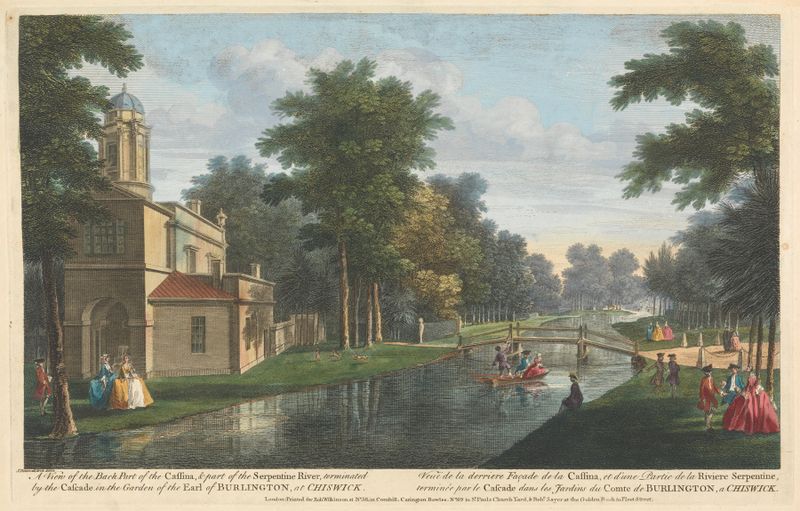
A View of the Back Part of the Cassina, & Part of the Serpentine River, terminated by the Cascade in the Garden of the Earl of Burlington, at Chiswick
John Donowell

A View of the Cascade, of part of the Serpentine River, & of the West Front of the House of the Earl of Burlington, at Chiswick
John Donowell
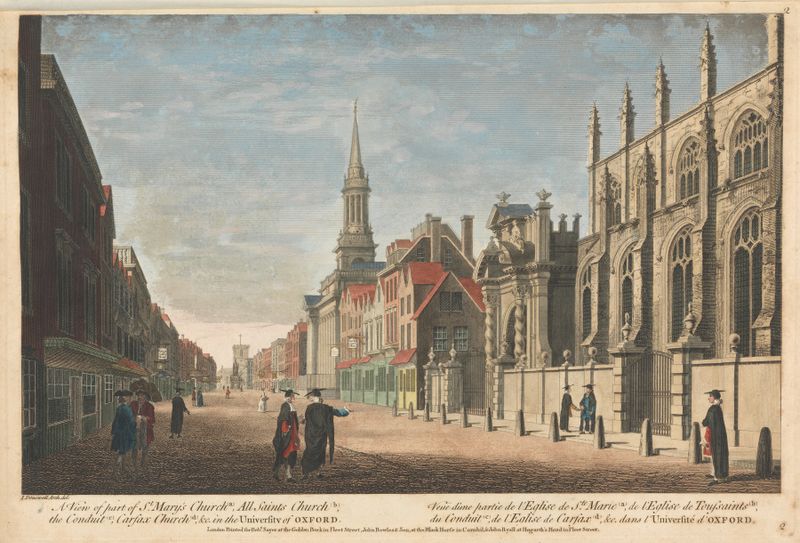
A View of part of St. Mary’s Church (a), All Saints Church (b), the Conduit (c), Carfax Church (d), & c. in the University of Oxford
John Donowell