A View of Richmond Bridge, on the Thames — History & Facts
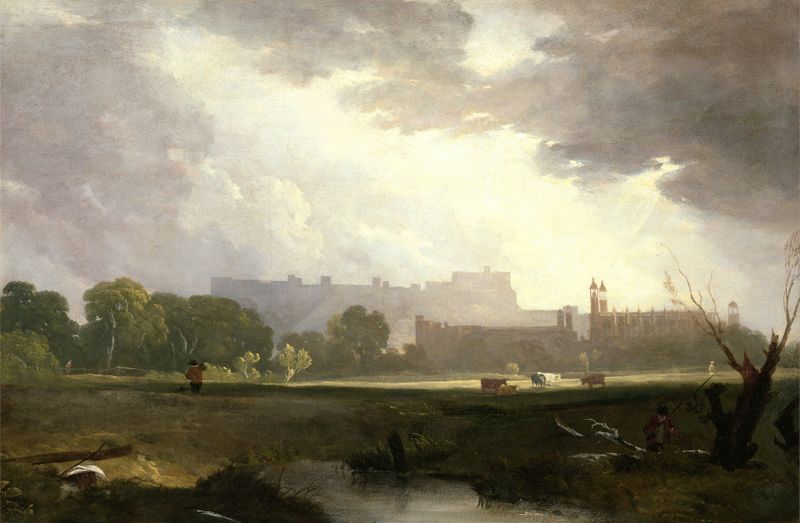
In the hush of dawn, landscapes whisper the dreams of those who wander. They remind us that beauty often cradles a deeper, unspoken longing beneath its serene surface. Look to the foreground, where the shimmering Thames glistens like a silken ribbon, drawing your gaze across the canvas. The gentle arch of Richmond Bridge invites you to explore its quiet embrace, framed by lush greenery that sways softly in the breeze.
Notice the soft pastel hues of the sky blending seamlessly into the water, where the artist’s delicate brushstrokes evoke a sense of calm yet hint at the fleeting nature of time. The interplay between light and shadow creates a dreamlike atmosphere, blurring the line between reality and imagination. The tranquil scene, while idyllic, captures a moment of stillness that contrasts with humanity’s inherent restlessness. It suggests a yearning for connection, a desire to seize a fleeting moment in a world that is ever-changing, and possibly a reflection of the artist’s own introspective struggles during this transformative period. Painted between 1807 and 1810, this work emerged during a time of significant change in England and the art world.
Callcott, influenced by the Romantic movement, sought to capture the beauty of nature and its emotional resonance, standing at the cusp of a shift away from classical ideals. This landscape reflects his mastery in balancing the tranquil allure of the British countryside with the complexities of human experience, echoing the sentiments of his contemporaries while forging his own path.