Dead Calm: Boats off Cowes Castle — History & Facts
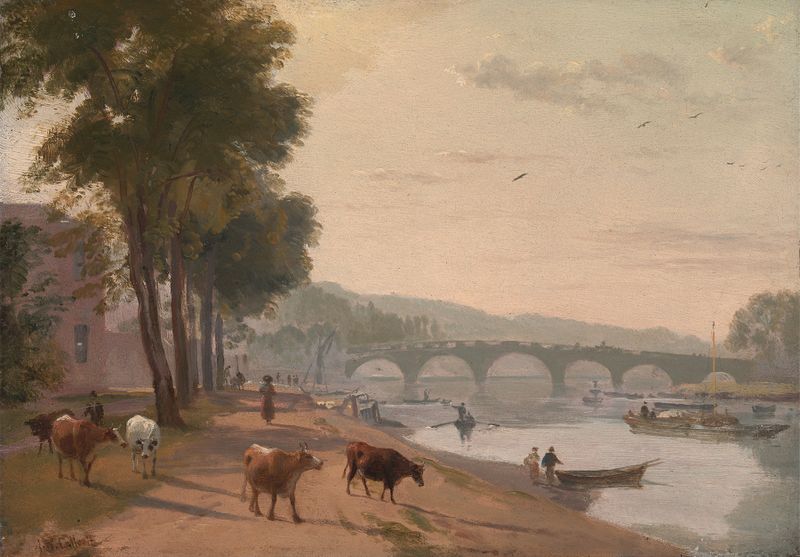
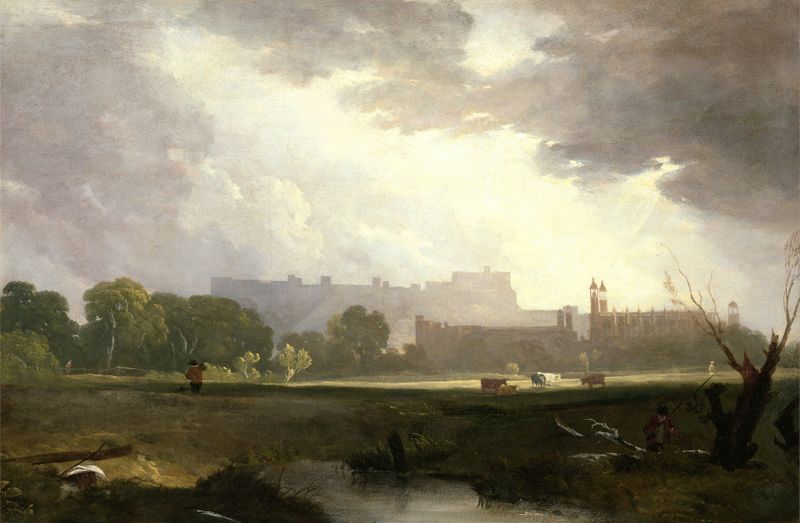
Can paint confess what words never could? In Dead Calm: Boats off Cowes Castle, the tranquility of floating boats becomes a vessel for unspoken dreams, inviting viewers to explore the depths of serene solitude. Look to the horizon, where the gentle caress of the sea meets the soft embrace of the sky. The subtle gradient of blues and whites creates a sense of infinite calm, drawing your gaze through a delicate interplay of light and shadow. The boats, anchored yet free, are rendered with an exquisite precision that highlights their graceful forms against the backdrop of a tranquil sea, leaving a lingering impression that speaks to the harmony of nature. As you study the details, notice the almost ethereal quality of the water’s surface—its glassy sheen reflecting both the boats and the unblemished sky.
This contrast between the solid forms of the vessels and the dreamlike nature of their surroundings evokes the tension between reality and aspiration. Each element seems to whisper secrets of stillness and peace, inviting contemplation on the coexistence of stability and freedom in our lives. Created during a time when the art world was shifting towards a celebration of nature, the artist captured this scene in the midst of both personal and artistic exploration. While the exact date remains uncertain, it is believed to be from the early to mid-19th century, a period characterized by a growing Romantic appreciation for the beauty of landscapes and coastal views.
As Callcott painted this serene moment, he embraced the emerging trend of depicting the sublime aspects of nature, reflecting a broader cultural yearning for connection with the environment.