
A View of the Glen of the Dargle — History & Facts
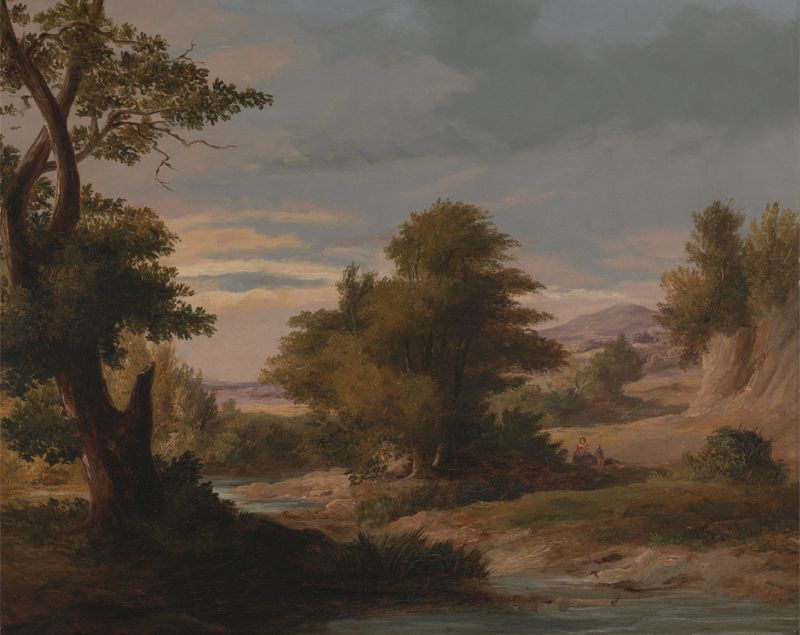
In the quiet embrace of nature, the canvas becomes a sanctuary, an invitation to witness the rebirth of the landscape, as if time itself pauses to breathe new life into every stroke. Look to the foreground to discover the rich tapestry of vibrant greens, an emerald carpet of lush foliage that draws the eye toward the heart of the scene. Notice how the sunlight filters through the trees, casting dappled shadows that dance upon the ground, inviting you to wander deeper into the glen. The soft blues of the distant hills create a serene backdrop, their gentle contours echoing the rhythm of the sky above, alive with fluffy white clouds. Within this idyllic setting, contrasts emerge that speak to the cycle of life.
The juxtaposition of the vivid, flourishing vegetation against the distant, serene hills suggests a tension between the immediacy of growth and the permanence of nature’s structures. Each element captures a fleeting moment, yet conveys an eternal truth: rebirth is not merely a season but a state of being, resonating deeply across the canvas. In 1834, while working in Ireland, the artist was immersed in a changing art world, influenced by the Romantic movement’s emphasis on nature and emotion. This period found O'Connor exploring the breathtaking landscapes of his homeland, as well as the spiritual connection they evoked.
His focus on capturing the sublime beauty of the natural world marked a significant moment in his career, reflecting both personal growth and the broader themes of a society in transition.
More Artworks by James Arthur O'Connor
Browse all →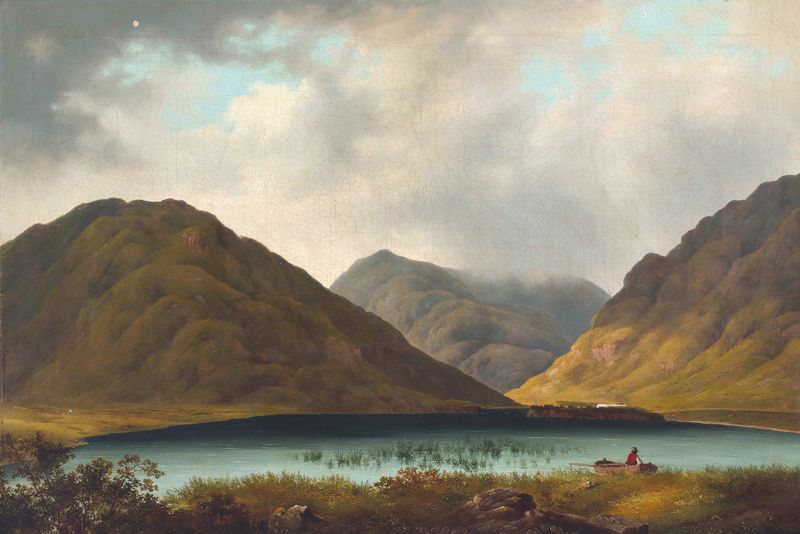
A View Of Fin Lough And Delphi Lodge
James Arthur O'Connor
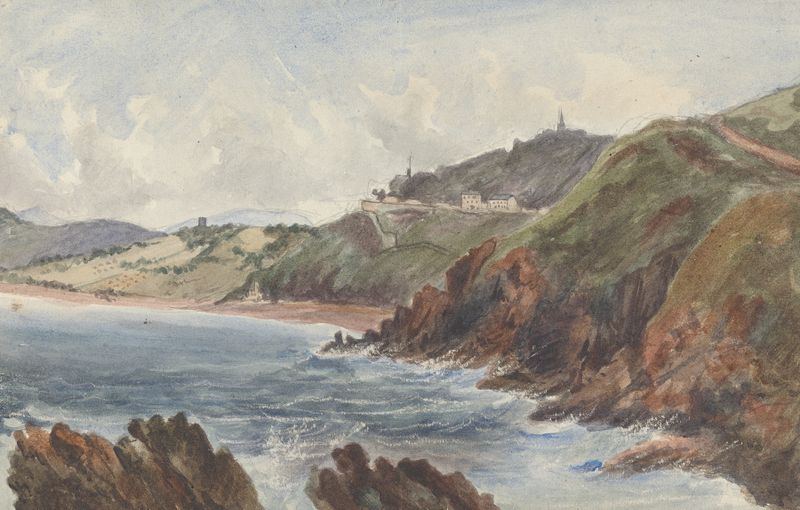
Bray Head
James Arthur O'Connor
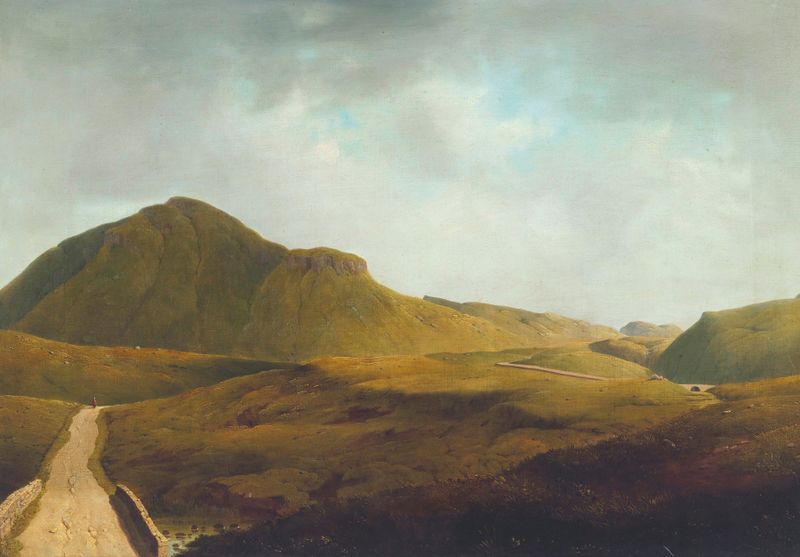
A Mountain Road In Mayo
James Arthur O'Connor
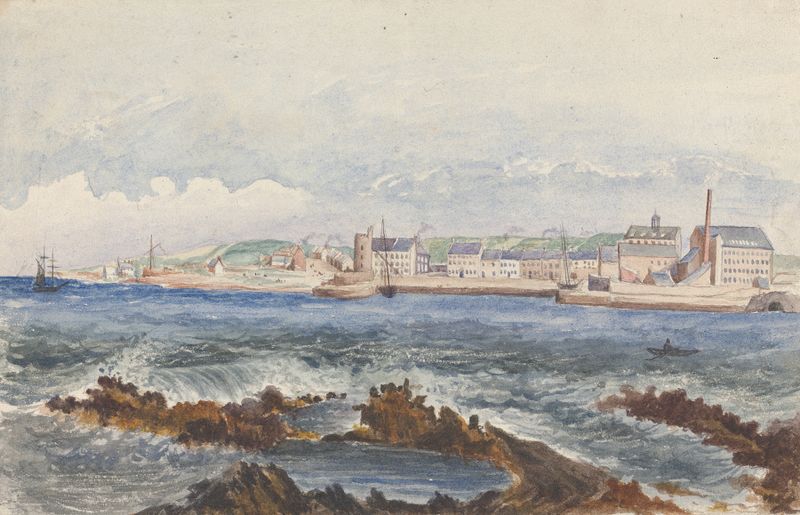
Bangor, Belfast Lough
James Arthur O'Connor
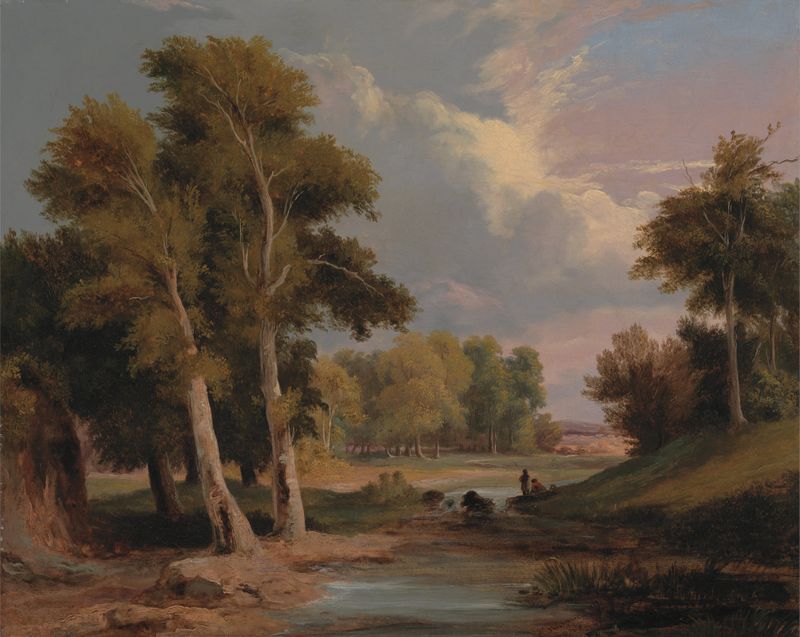
A Wooded River Landscape with Fishermen
James Arthur O'Connor
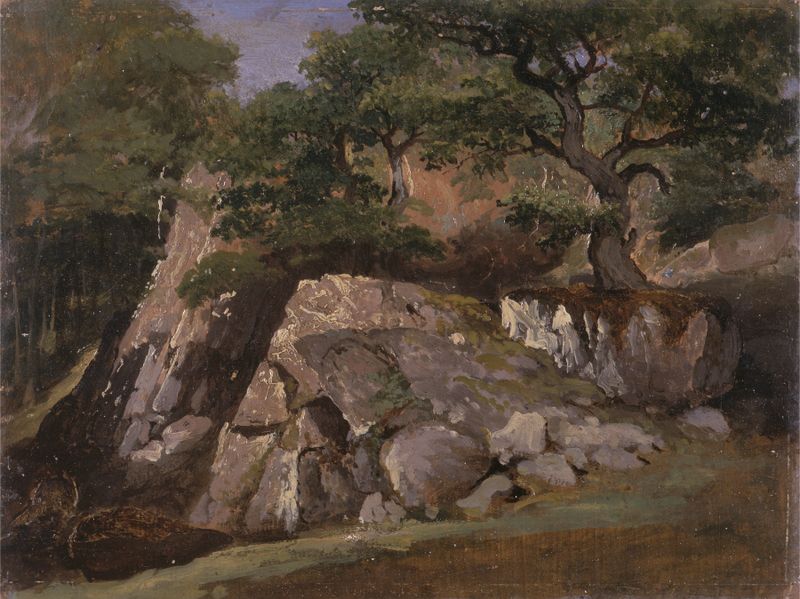
A View of the Valley of Rocks near Mittlach (Alsace)
James Arthur O'Connor
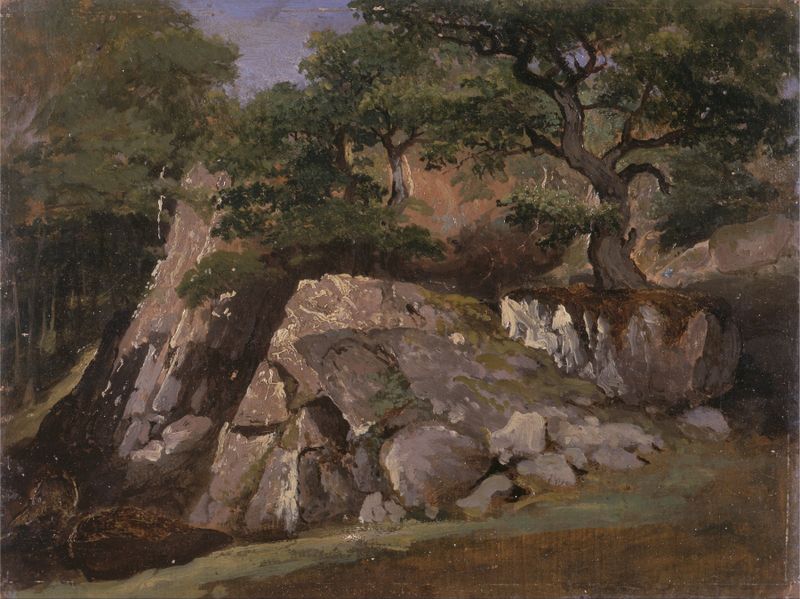
A View of the Valley of Rocks near Mittlach
James Arthur O'Connor
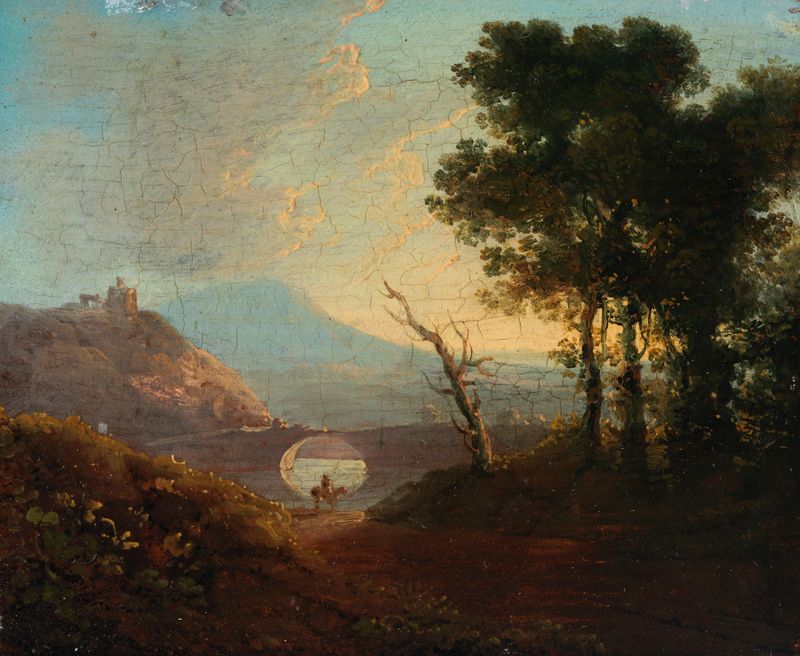
A Landscape
James Arthur O'Connor
A Wooded River Landscape with Mother and Child
James Arthur O'Connor





