
Bray Head — History & Facts
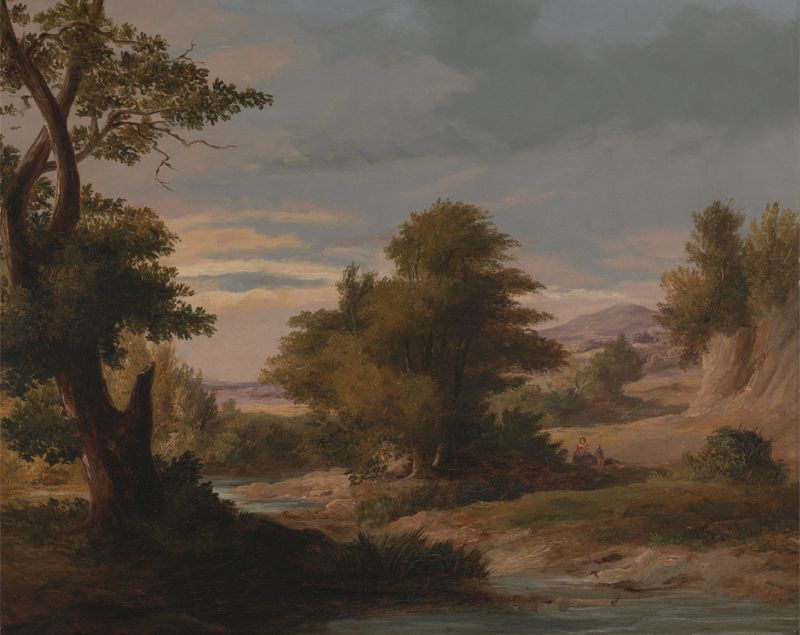
When did color learn to lie? The vibrant hues of nature often mask deeper truths, inviting us to explore the realms beyond mere representation. Look to the lower left, where the lush greens of the landscape cradle the rocky coastline, enticing the eye to wander. The brushstrokes are vigorous, yet deliberate, reflecting the artist's command over texture and form. Notice how the light dances along the waves, casting shimmering reflections that seemingly extend the horizon, blurring the boundaries between water and sky.
In the upper right, the cerulean sky gives way to soft, wispy clouds, their ethereal quality hinting at an ungraspable transcendence, an invitation to ponder what lies beyond this earthly scene. As you immerse yourself in the painting, consider the contrasts at play—the solidity of the land against the fluidity of the sea, the warmth of sunlight juxtaposed with the coolness of shadow. Each element seems to whisper secrets of nature's duality; the rugged cliff faces suggest permanence, while the gentle waves beckon change. The emotional tension rises as you realize the beauty captured is fleeting, a moment suspended in time that invites introspection on the permanence of our own experiences. James Arthur O'Connor created this work during a period of evolving artistic exploration, though the exact date remains unknown.
Active in the 19th century and immersed in the Romantic movement, O'Connor's landscapes reflect a growing appreciation for nature’s sublime qualities. In a world increasingly influenced by industrialization, his dedication to capturing the beauty of the natural world resonates as a profound statement on the value of transcendence amid change.
More Artworks by James Arthur O'Connor
Browse all →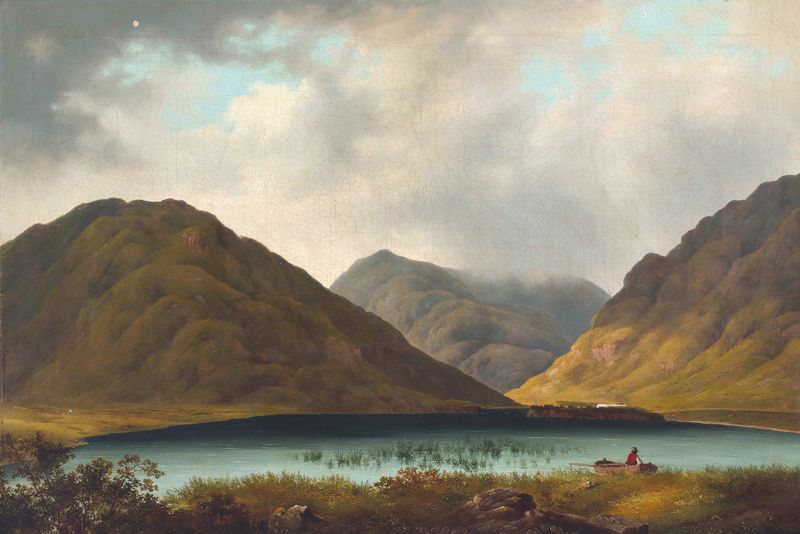
A View Of Fin Lough And Delphi Lodge
James Arthur O'Connor
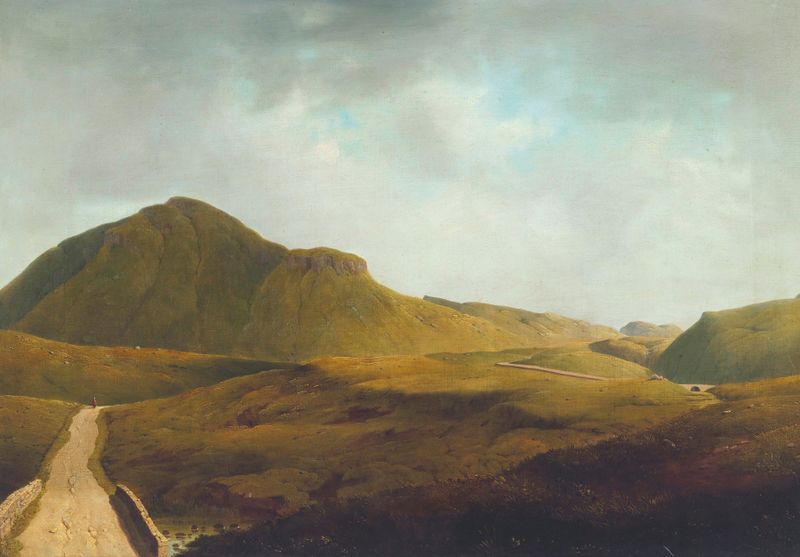
A Mountain Road In Mayo
James Arthur O'Connor
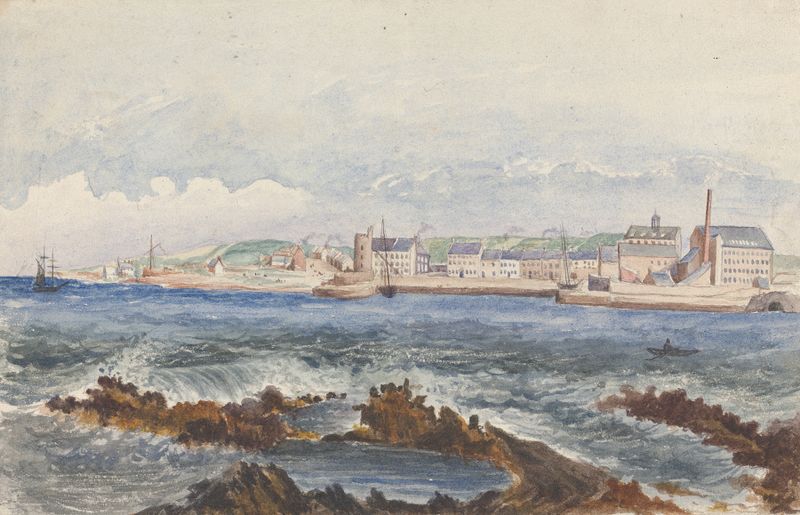
Bangor, Belfast Lough
James Arthur O'Connor
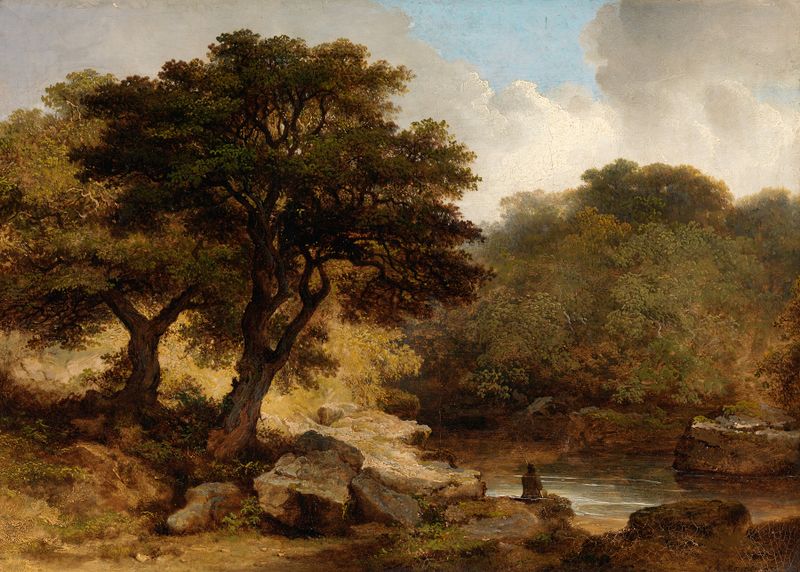
A View of the Glen of the Dargle
James Arthur O'Connor
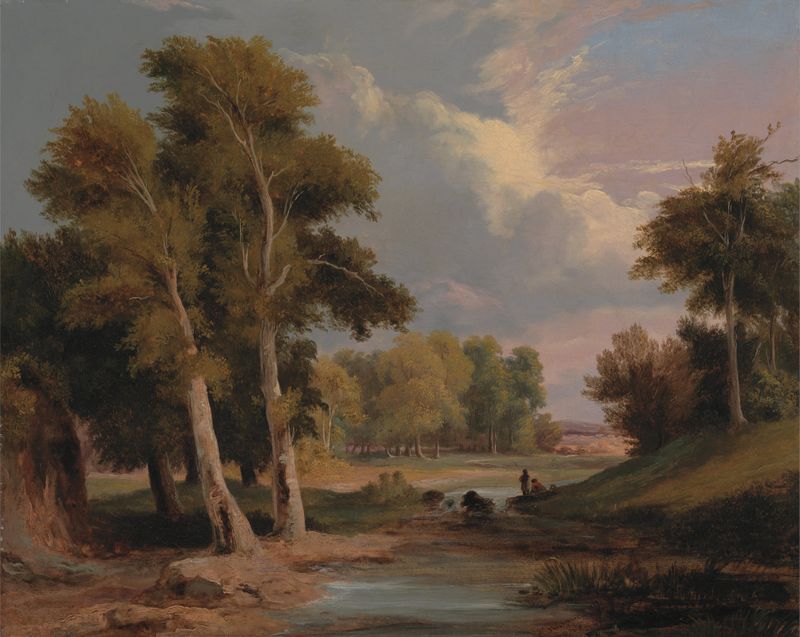
A Wooded River Landscape with Fishermen
James Arthur O'Connor
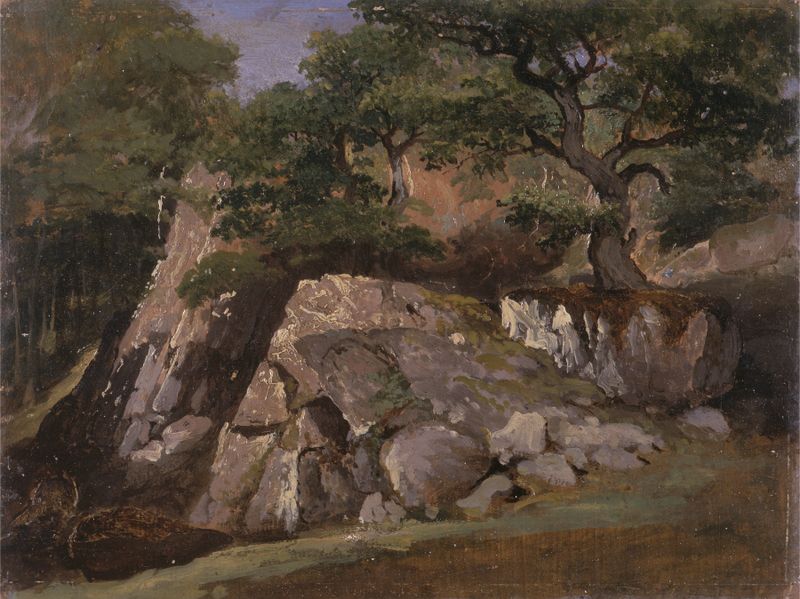
A View of the Valley of Rocks near Mittlach (Alsace)
James Arthur O'Connor
A View of the Valley of Rocks near Mittlach
James Arthur O'Connor
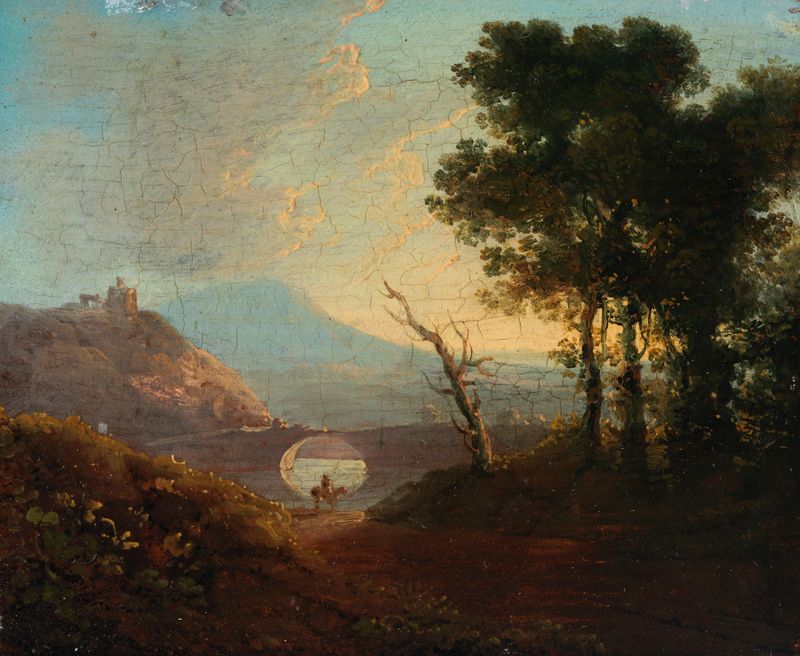
A Landscape
James Arthur O'Connor
A Wooded River Landscape with Mother and Child
James Arthur O'Connor





