A view of Windsor Castle and The Long Walk from Snow Hill — History & Facts
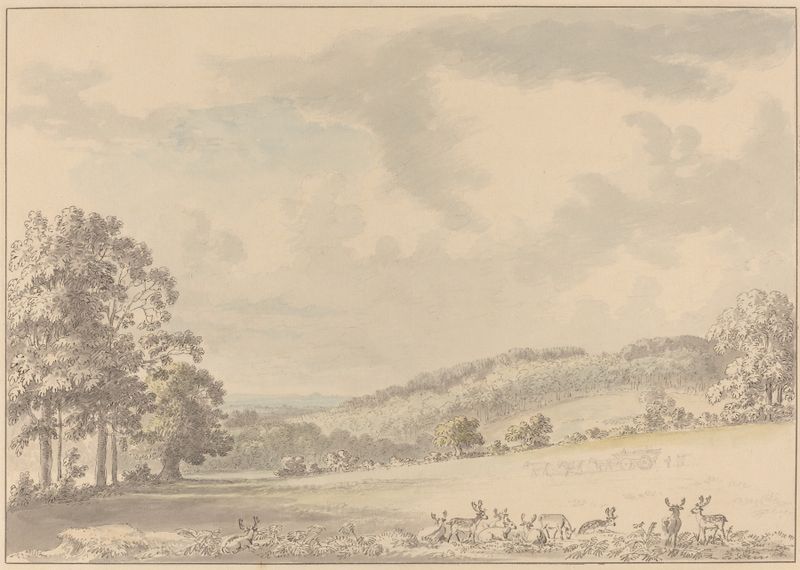
Can beauty exist without sorrow? In the soft embrace of the horizon, we find a delicate interplay of light and shadow that speaks to the heart's longing, even amid serene landscapes. Look to the center of the canvas, where the majestic Windsor Castle rises, its towers piercing the sky with a stately grace. Surrounding it, lush trees usher in a palette of greens that gradually yields to the golden hues of an evening sun. Notice how the Long Walk stretches beneath the castle, leading the viewer’s eye through a pathway that seems both inviting and haunting—a reminder of journeys taken and those left untraveled.
The brushwork is fluid, yet precise, creating a sense of harmony that belies an underlying emptiness. As you explore further, observe the solitary figure in the distance, a mere silhouette against the vast expanse. This small detail suggests isolation amidst beauty, evoking feelings of nostalgia and perhaps a hint of longing. The tranquil scene contrasts with the subtle tension of absence—where are the people that might have filled this space? The painting invites reflections on the nature of solitude and the bittersweet quality of beauty that is often tinged with melancholy. Created in an undetermined moment of Devis's career, this work captures a time when the artist was deeply engaged with the English landscape tradition.
The late 18th century was a period of change in Britain, marked by both the celebration of natural beauty and the burgeoning Industrial Revolution. Devis utilized his talent to explore this dichotomy, capturing not just scenes, but the emotional resonance of the landscapes that define his era.