
A Village By A Wide River — History & Facts
A gentle rebirth unfolds in a tranquil village, where the river whispers secrets of renewal and resilience. Look to the center of the canvas, where the wide river flows with a serene elegance, its surface catching glimmers of sunlight that dance like treasures upon the water. The village, nestled against the lush green banks, features quaint houses that stand in harmony with the landscape, their warm hues inviting yet humble. Notice the soft brushwork that creates a sense of life, from the rippling water to the foliage framing the scene, inviting the viewer into a moment of undisturbed stillness. Beneath the idyllic surface lies a complex interplay of contrast.
The river symbolizes both continuity and change, a reminder of life's ceaseless flow, while the village’s sturdy structures evoke a sense of home and permanence. The juxtaposition of light and shadow reveals the emotional weight of the scene; while the setting is peaceful, an undercurrent of longing suggests the fragility of existence. Each element, from the reflective water to the grounded homes, speaks to the resilience of life amidst the inevitability of change. In 1810, Schouten was painting in the Netherlands, a time marked by both national struggle and artistic revival.
The early 19th century was witnessing the shift toward Romanticism, where nature became a source of inspiration and emotional expression. As he captured the essence of his surroundings, Schouten was influenced by the longing for stability in a changing world, translating this into the serene beauty of A Village By A Wide River.
More Artworks by Hermanus Petrus Schouten
Browse all →
Plein in het dorp Zuilen
Hermanus Petrus Schouten
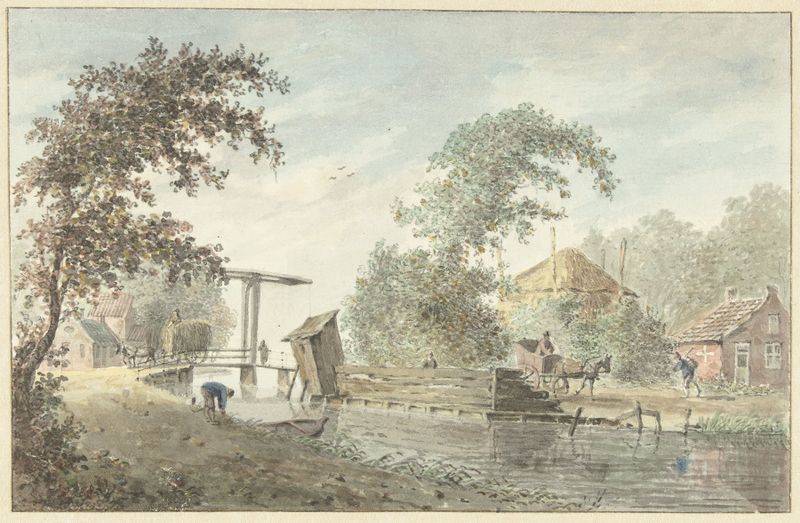
Boerderij aan een vaart met een ophaalbrug
Hermanus Petrus Schouten

View of the Old Church of Amsterdam
Hermanus Petrus Schouten

Kerk en ruïne van de abdij te Rijnsburg
Hermanus Petrus Schouten
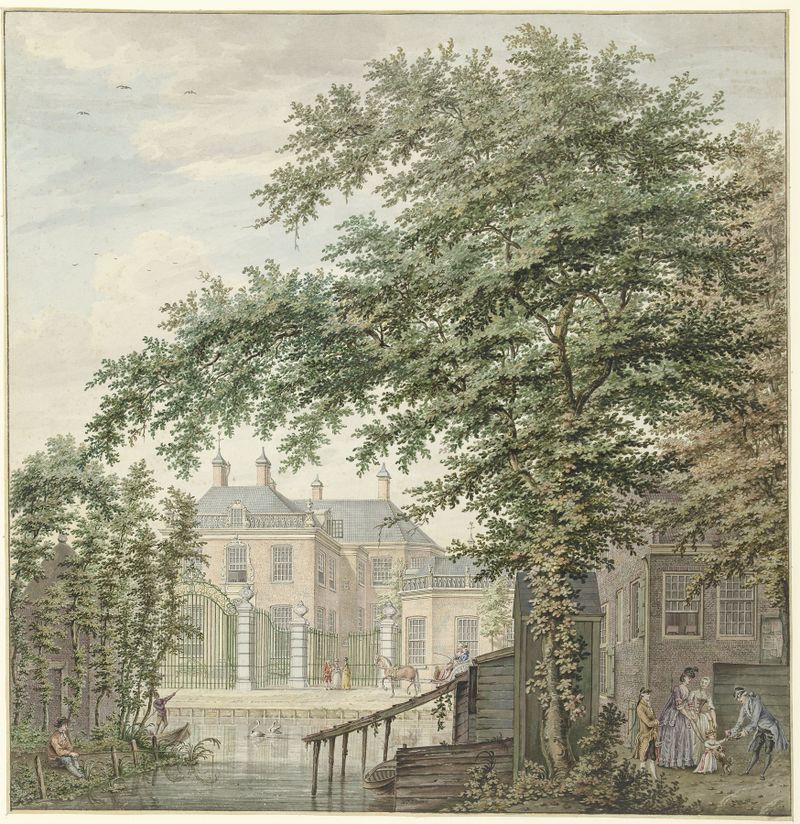
View of Luxemburg House at Maarssen on the Vecht
Hermanus Petrus Schouten
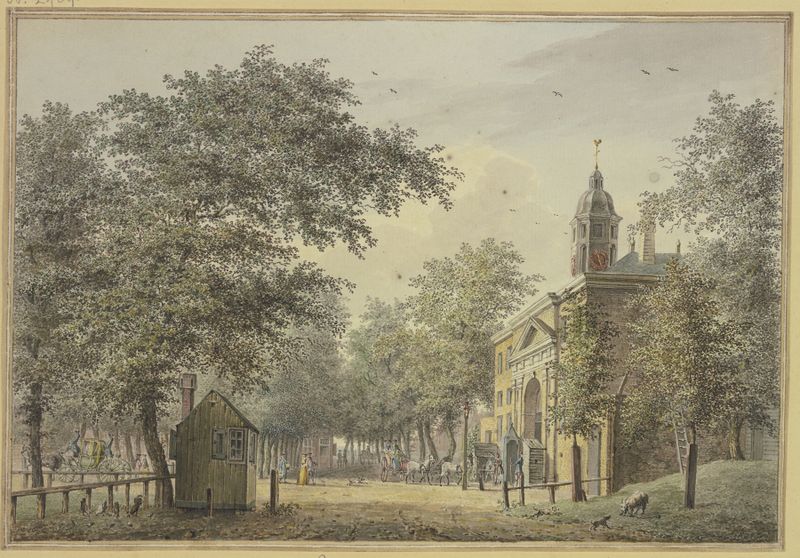
Gezigt langs de Utregse Poord na de Hoogensluys tot Amsterdam
Hermanus Petrus Schouten
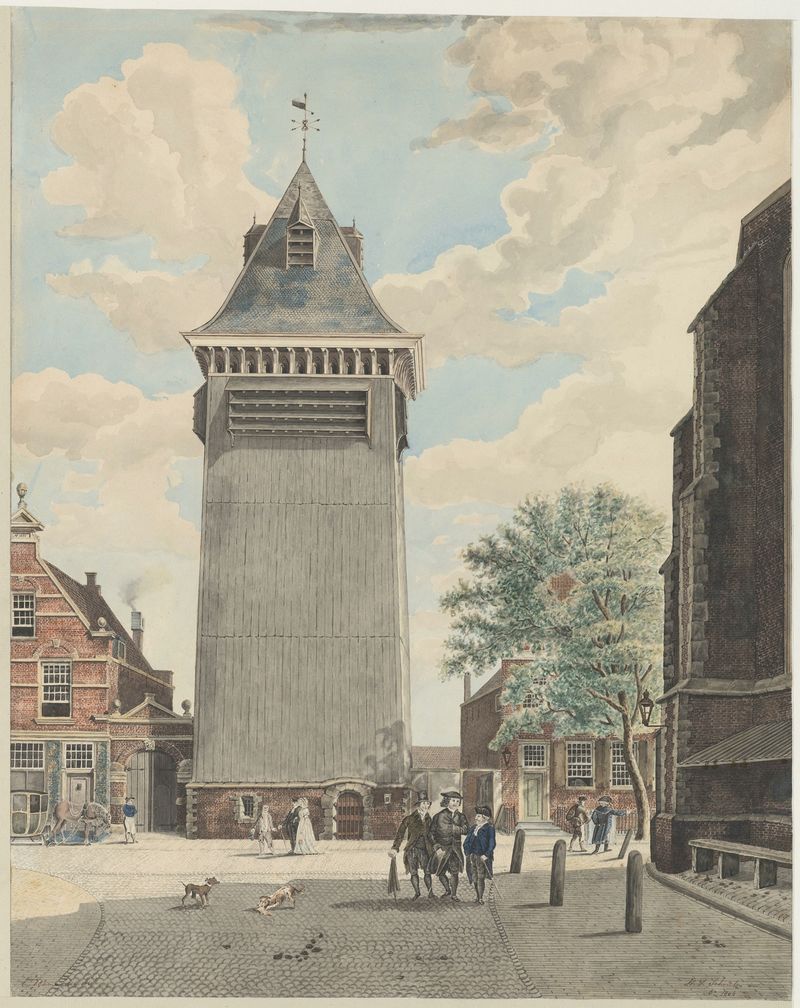
Gezicht op het Klokhuisplein vanaf de Riviervismarkt met op de achtergrond het Klokhuis.
Hermanus Petrus Schouten
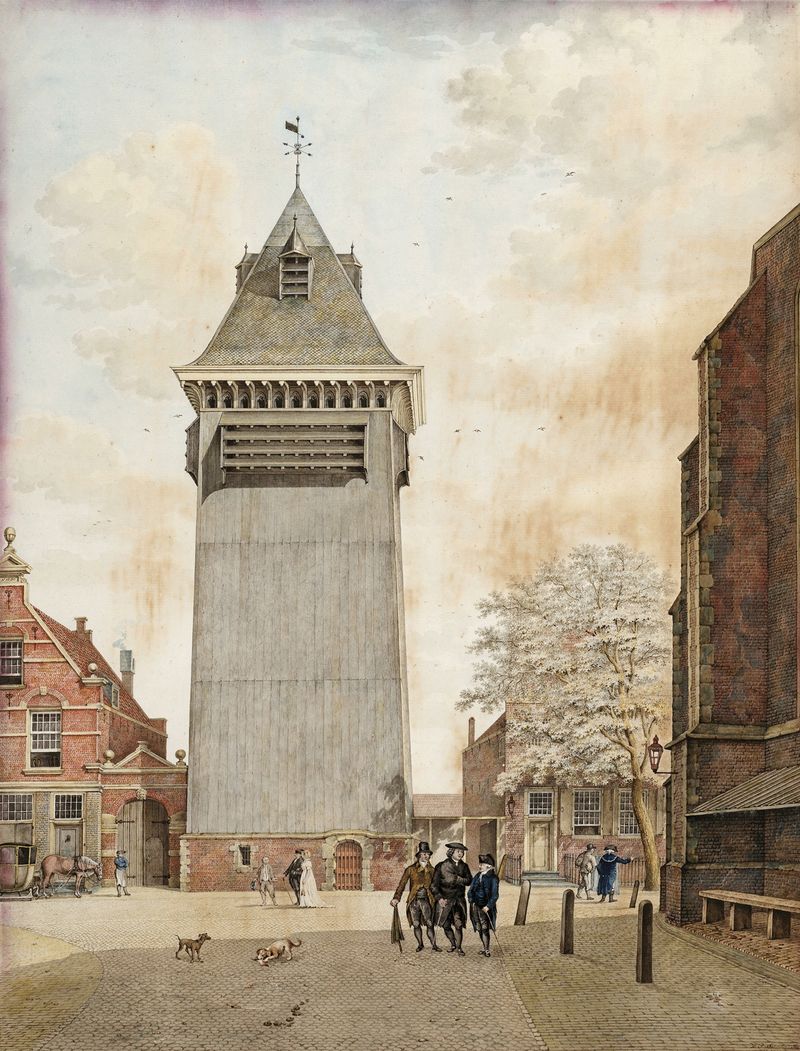
Gezicht op het Klokhuisplein met de klokhuistoren.
Hermanus Petrus Schouten
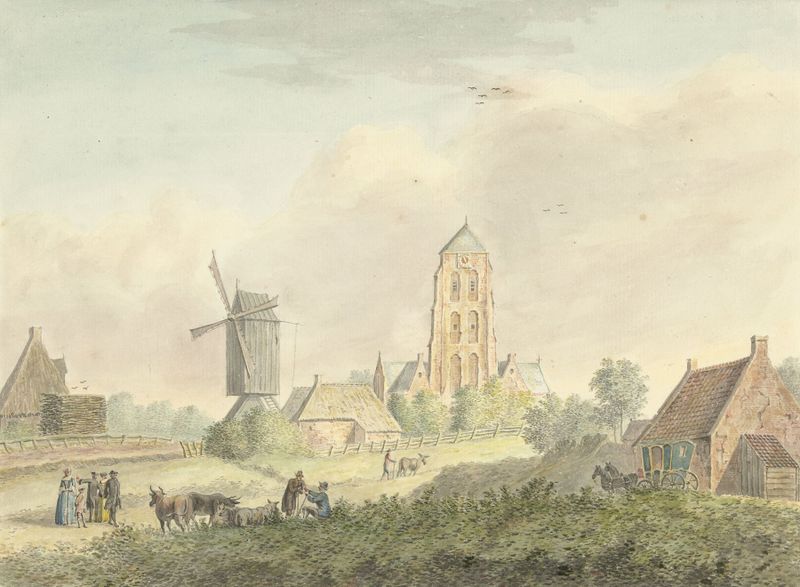
Kerk van het dorp Westkapelle in Zeeland
Hermanus Petrus Schouten
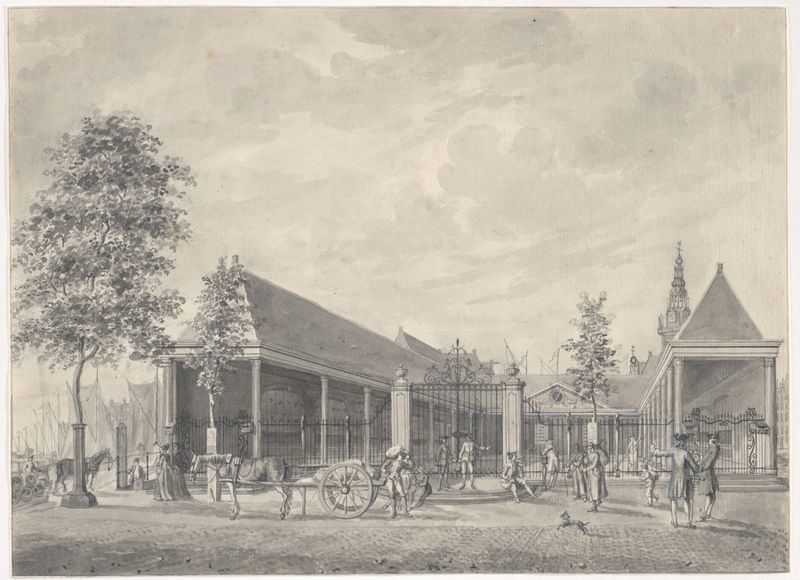
A View of the Nieuwe Korenbeurs on the Damrak, Amsterdam, the Tower of the Oude Kerk Beyond
Hermanus Petrus Schouten





