
Kerk van het dorp Westkapelle in Zeeland — History & Facts
Can paint confess what words never could? In the quiet corners of the heart, where betrayal festers like a shadow, a canvas can whisper truths that language struggles to articulate. Look to the left at the sturdy stone edifice, the church rising prominently against a flat horizon. Notice how the roofline, almost painfully sharp, seems to pierce the pale sky, casting an elongated shadow that stretches across the foreground. The muted palette of grays and soft blues reflects not just the physical landscape of Westkapelle, but also a somber mood that envelops the scene.
The painter's brushwork captures the tranquility of the village, yet there’s an undercurrent of unease, inviting viewers to linger in the silence. Beneath the serene facade, the artwork conceals layers of emotional tension. The church, an emblem of community and faith, stands in stark contrast to the lonely expanse surrounding it. The absence of human figures suggests isolation, evoking feelings of betrayal not just from others, but also of the self.
The gentle breeze, indicated by the subtle sway of grass, serves as a reminder that beneath even the most serene exterior, turmoil can simmer just beneath the surface. Created during the early 19th century, this piece emerged from the brush of a Dutch artist navigating the transitional currents of the time. Schouten, active from 1757 to 1822, painted in an era marked by both artistic tradition and emerging new styles. As he captured the essence of his surroundings, he was also responding to the evolving sentiments within the Netherlands, where the echoes of change were felt in every aspect of life and art.
More Artworks by Hermanus Petrus Schouten
Browse all →
Plein in het dorp Zuilen
Hermanus Petrus Schouten
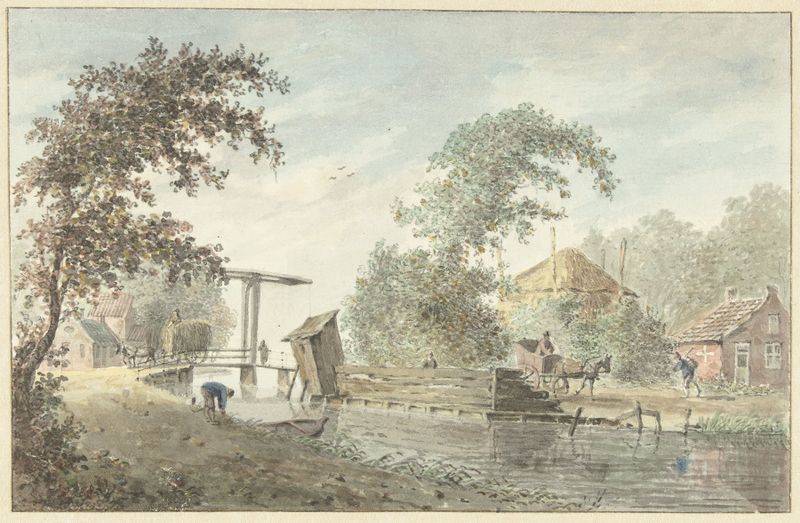
Boerderij aan een vaart met een ophaalbrug
Hermanus Petrus Schouten

A Village By A Wide River
Hermanus Petrus Schouten

View of the Old Church of Amsterdam
Hermanus Petrus Schouten

Kerk en ruïne van de abdij te Rijnsburg
Hermanus Petrus Schouten
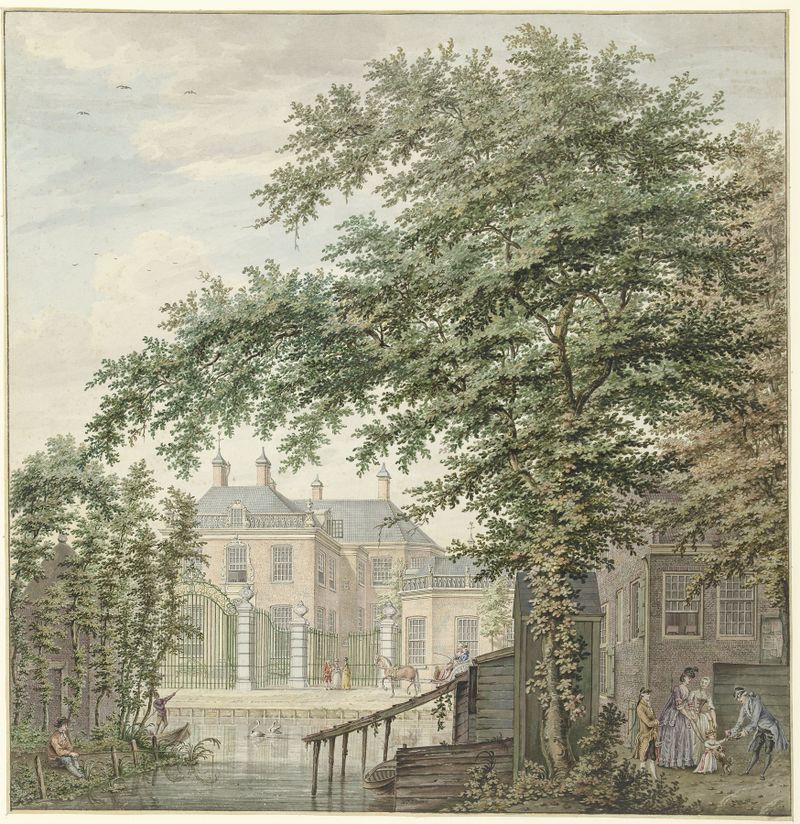
View of Luxemburg House at Maarssen on the Vecht
Hermanus Petrus Schouten
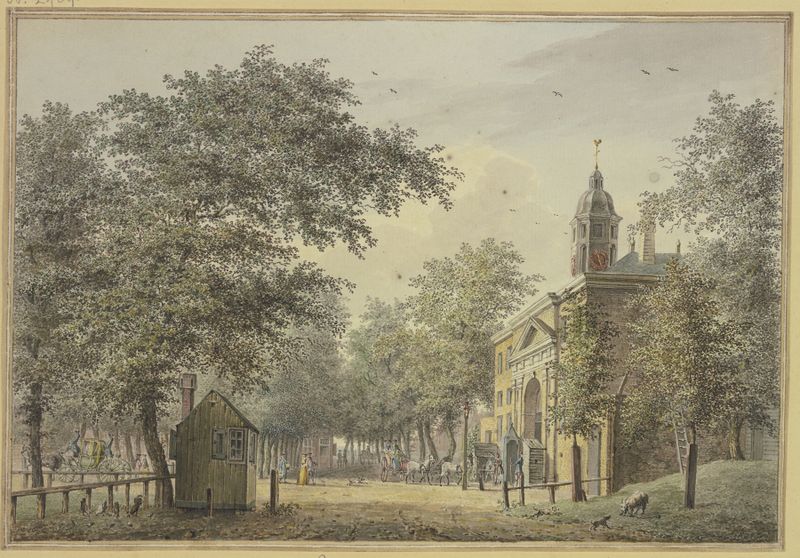
Gezigt langs de Utregse Poord na de Hoogensluys tot Amsterdam
Hermanus Petrus Schouten
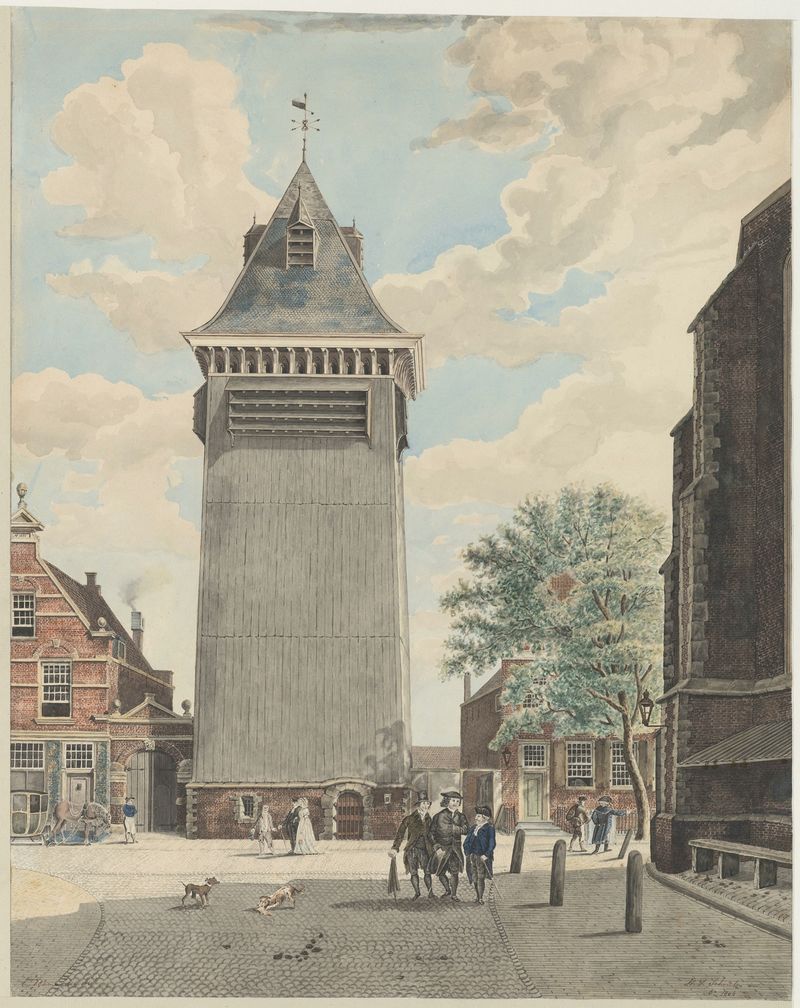
Gezicht op het Klokhuisplein vanaf de Riviervismarkt met op de achtergrond het Klokhuis.
Hermanus Petrus Schouten
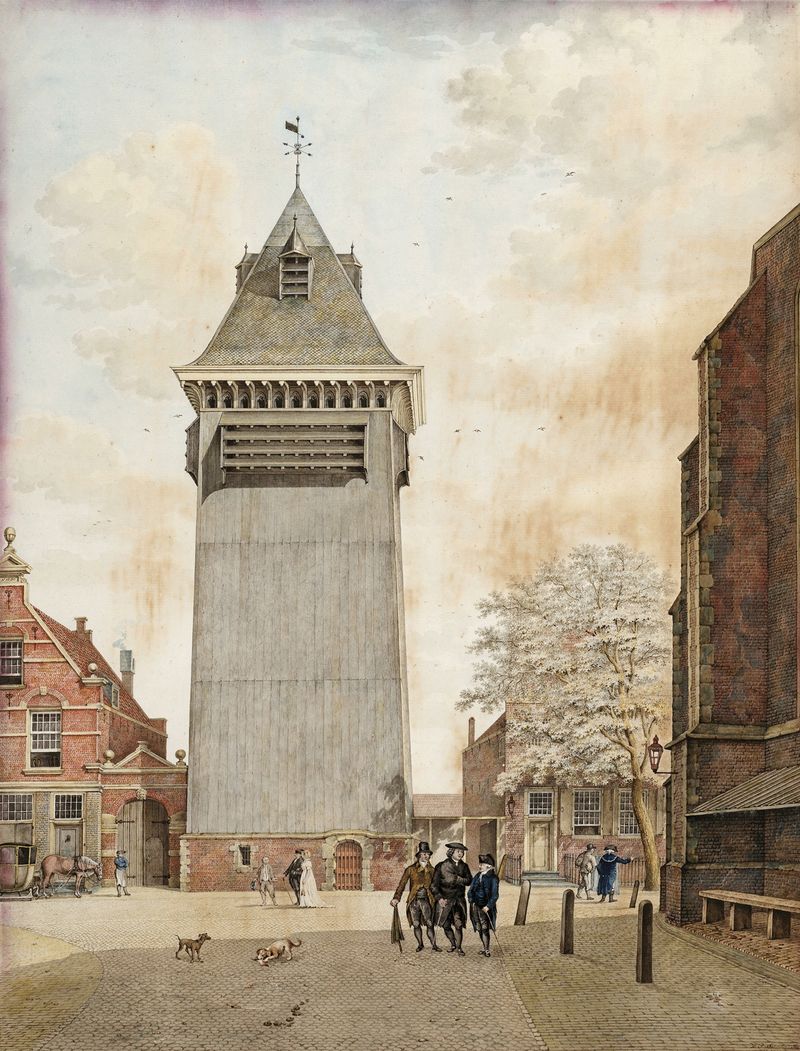
Gezicht op het Klokhuisplein met de klokhuistoren.
Hermanus Petrus Schouten
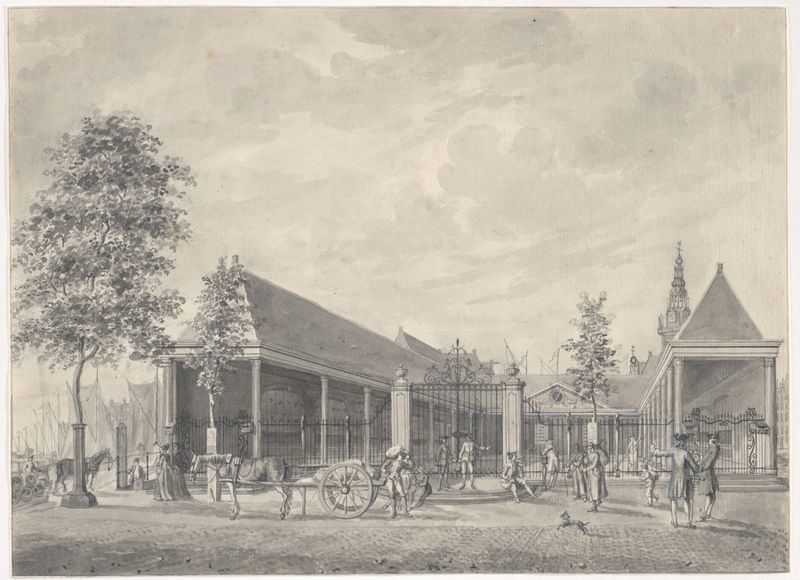
A View of the Nieuwe Korenbeurs on the Damrak, Amsterdam, the Tower of the Oude Kerk Beyond
Hermanus Petrus Schouten
More Architecture Art
Browse all →
The statue of Liberty
Frédéric Auguste Bartholdi

View of Houses in Delft, Known as ‘The Little Street’
Johannes Vermeer

View of Houses in Delft, Known as ‘The Little Street’
Johannes Vermeer

The Cathedral in Rouen. The portal, Grey Weather
Claude Monet

The yellow house
Vincent van Gogh

The Church in Auvers-sur-Oise, View from the Chevet
Vincent van Gogh