A Window in the Hall of Justice — History & Facts
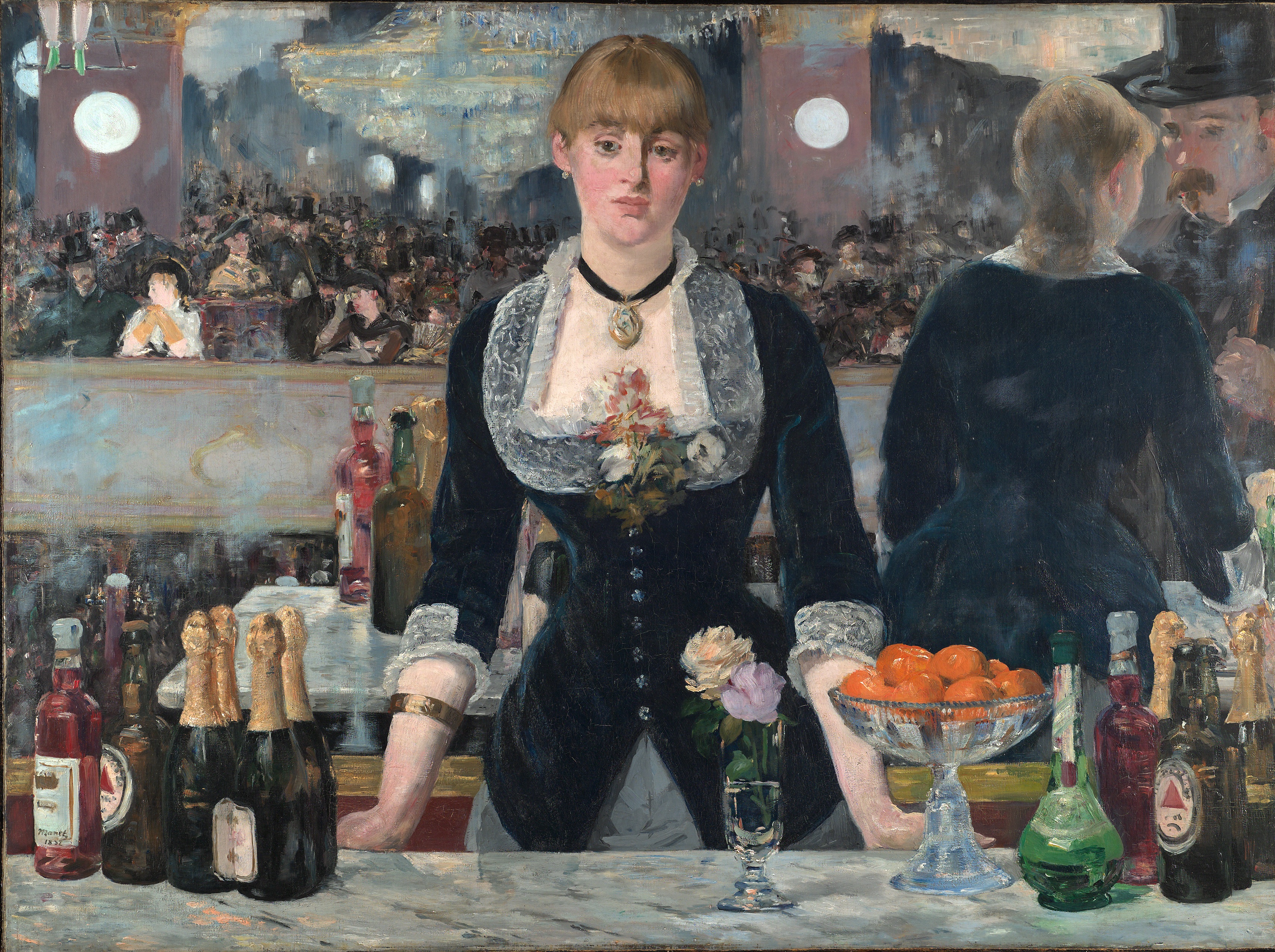
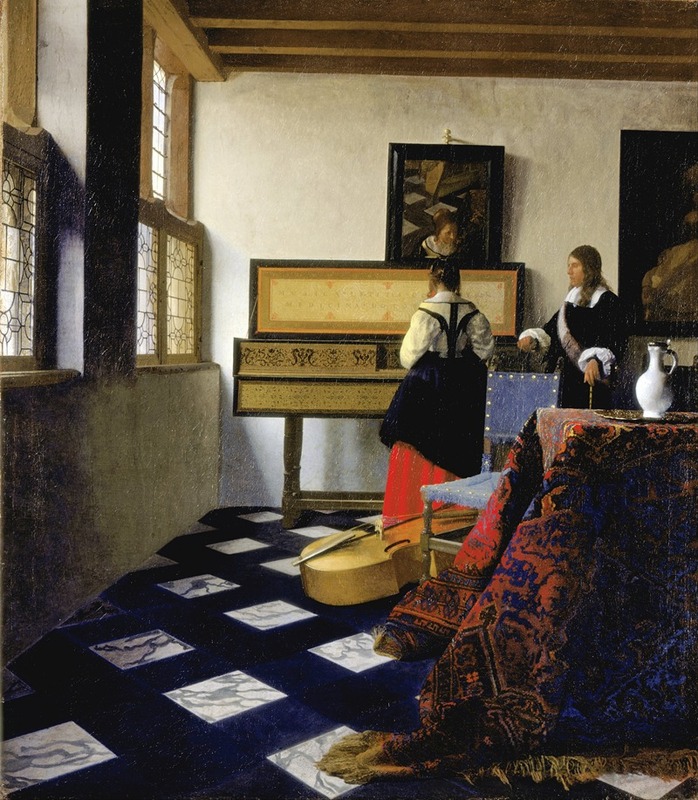
In a world where fear often lingers behind closed doors, the grace of a moment can be deceiving. A delicate balance exists between opulence and dread, revealing a truth that lies beneath the surface. Look to the left at the intricate, gilded window frame, its design echoing the grandeur of a hall filled with judicial power. Notice how the light filters through, casting shadows that dance across the polished marble floor, blending warmth and coolness.
The palette of rich golds and deep blues envelops the space, creating an atmosphere that feels both inviting and foreboding, as if a whisper of uncertainty accompanies the beauty. As you delve deeper, consider the juxtaposition of the ornate decoration against the stark emptiness of the hall. The opulent window suggests triumph, yet the absence of figures creates an unsettling silence, hinting at the weight of judgment and the burden of justice. Each detail, from the geometric patterns to the soft luminescence, speaks to the underlying fear of the unknown consequences that lie beyond the frame. In 1906, the artist captured this moment during a period of artistic exploration and social change.
Faulkner was based in America, where the art scene was evolving amid political tensions and shifting cultural values. His work reflects a fascination with architectural forms and an emerging modernity, grappling with the complexities of human emotion within the grandeur of public spaces.