A Winter Twilight — History & Facts
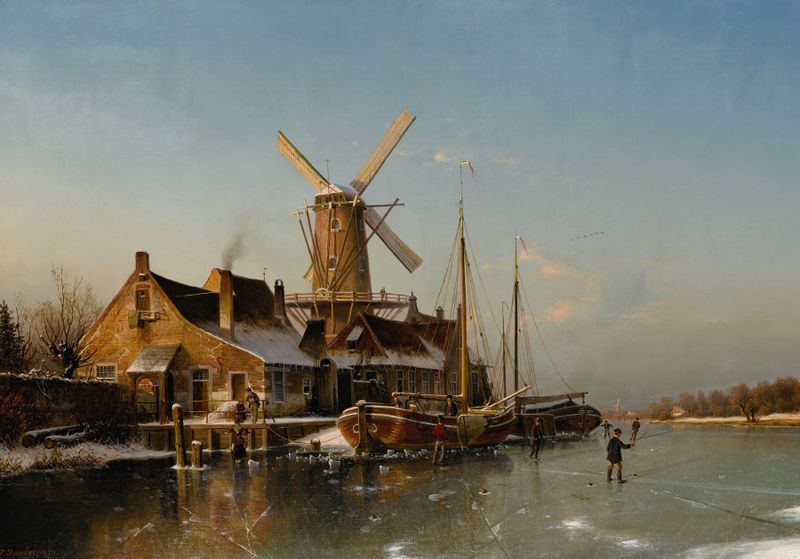
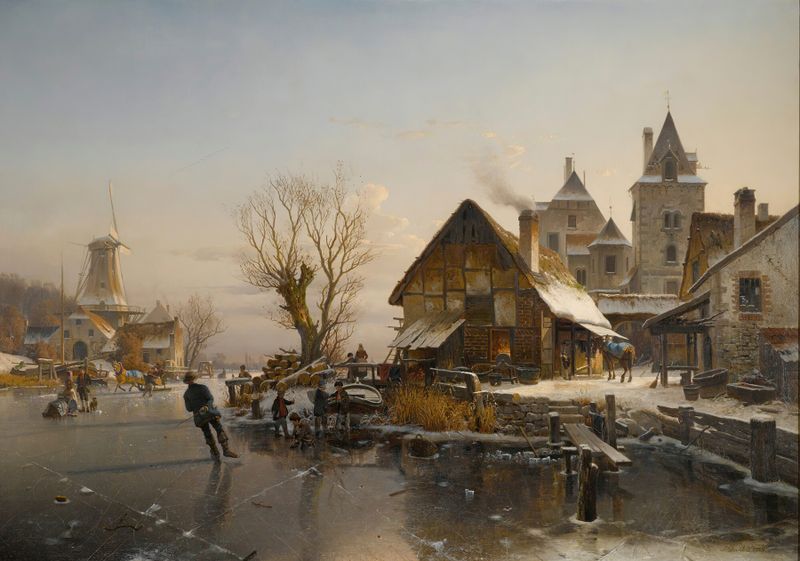
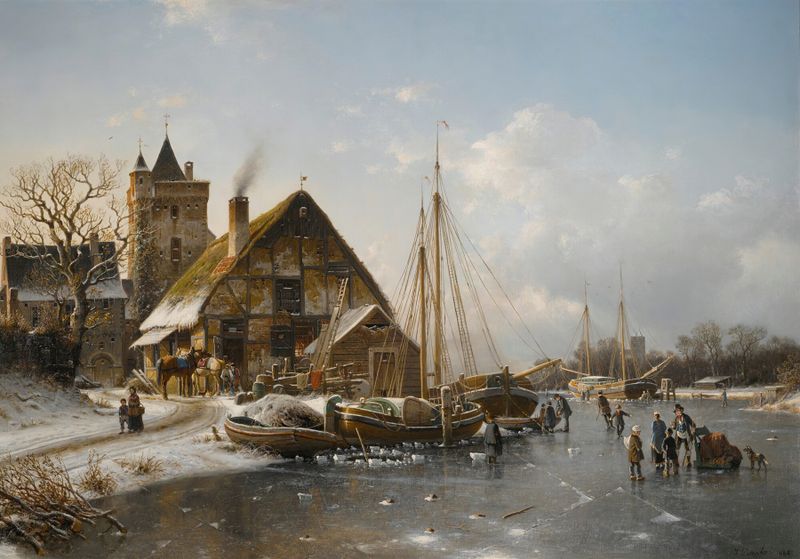
Who listens when art speaks of silence? In A Winter Twilight, the quietude of a snowy landscape invites reflection, urging us to delve into the depths of memory and emotional resonance. Look closely at the horizon, where the soft glow of twilight seamlessly blends with the cool blues and grays of the winter sky. The gentle strokes capture delicate flakes of snow, each one unique, as they settle on the ground below. The light plays against the white canvas of the landscape, creating a serene yet haunting atmosphere, inviting the viewer to lose themselves in the tranquil expanse. Beneath the surface, contrasts emerge.
The stillness of the snow reveals a chill that speaks of isolation, yet the warmth hinted at in the light evokes a sense of hope. Shadows stretch long, suggesting the fleeting nature of the day, symbolizing the moments we grasp yet inevitably let go. This tension mirrors our own experiences of longing and nostalgia, weaving a narrative that resonates deeply within us. In 1874, the artist created this piece during a time of artistic exploration in Europe, as realism began to flourish.
Duntze, influenced by the natural world and the changing seasons, sought to capture the ephemeral beauty of winter. As he painted in the midst of a shifting art landscape, he was part of a movement that embraced not just representation, but the emotive potential of nature itself, forever intertwining memory with the quiet allure of twilight.