Discover insights about this artwork
A Woman Tuning A Lute — History & Facts
In A Woman Tuning A Lute, we see a young woman seated in a softly lit interior, focused on tuning her lute. The warm color palette includes rich browns, soft yellows, and hints of green, creating an inviting atmosphere. Her delicate features and the intricate details of her clothing draw the viewer's attention.
The lute, a symbol of music and culture, is prominently displayed in her hands, emphasizing the importance of music in domestic life. The painting is characterized by its use of chiaroscuro, a technique that highlights the contrast between light and shadow. This creates a three-dimensional effect, making the figures appear more lifelike. The artist, Gerard van Honthorst, was known for his ability to capture intimate moments with a strong sense of realism.
The attention to detail in the woman's attire and the lute itself showcases the artist's skill in rendering textures and materials. Gerard van Honthorst was a prominent figure in the Dutch Golden Age, often associated with the Utrecht Caravaggisti. This work, painted in the 1620s, reflects the influence of Caravaggio's dramatic lighting and realism. An interesting fact about this painting is that it not only highlights the role of women in music but also serves as a representation of the cultural life of the time.
The lute, often associated with love and courtship, adds a layer of meaning to the scene.
More Artworks by Gerard van Honthorst
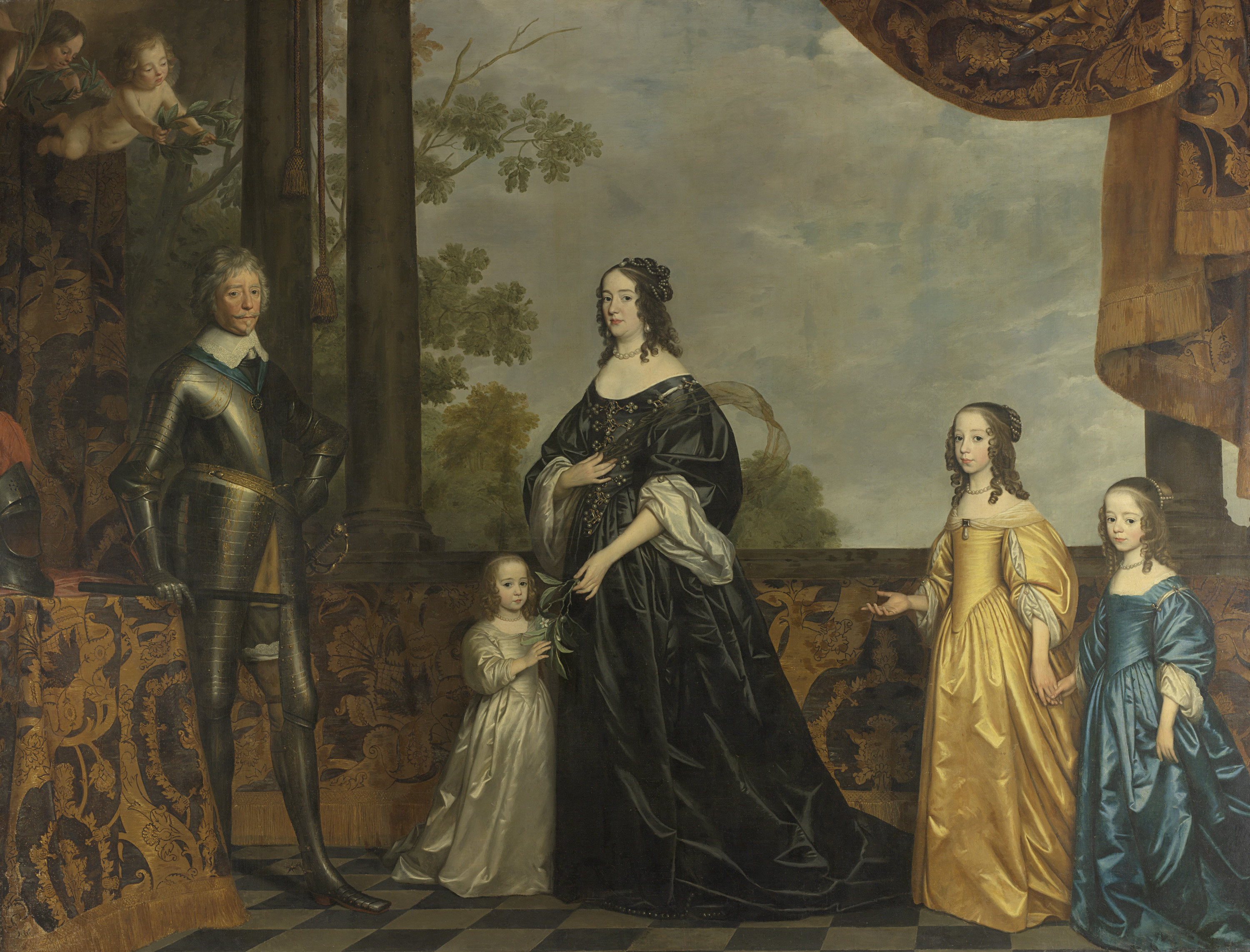
Frederick Henry, his Consort Amalia of Solms, and their Three Youngest Daughters
Gerard van Honthorst
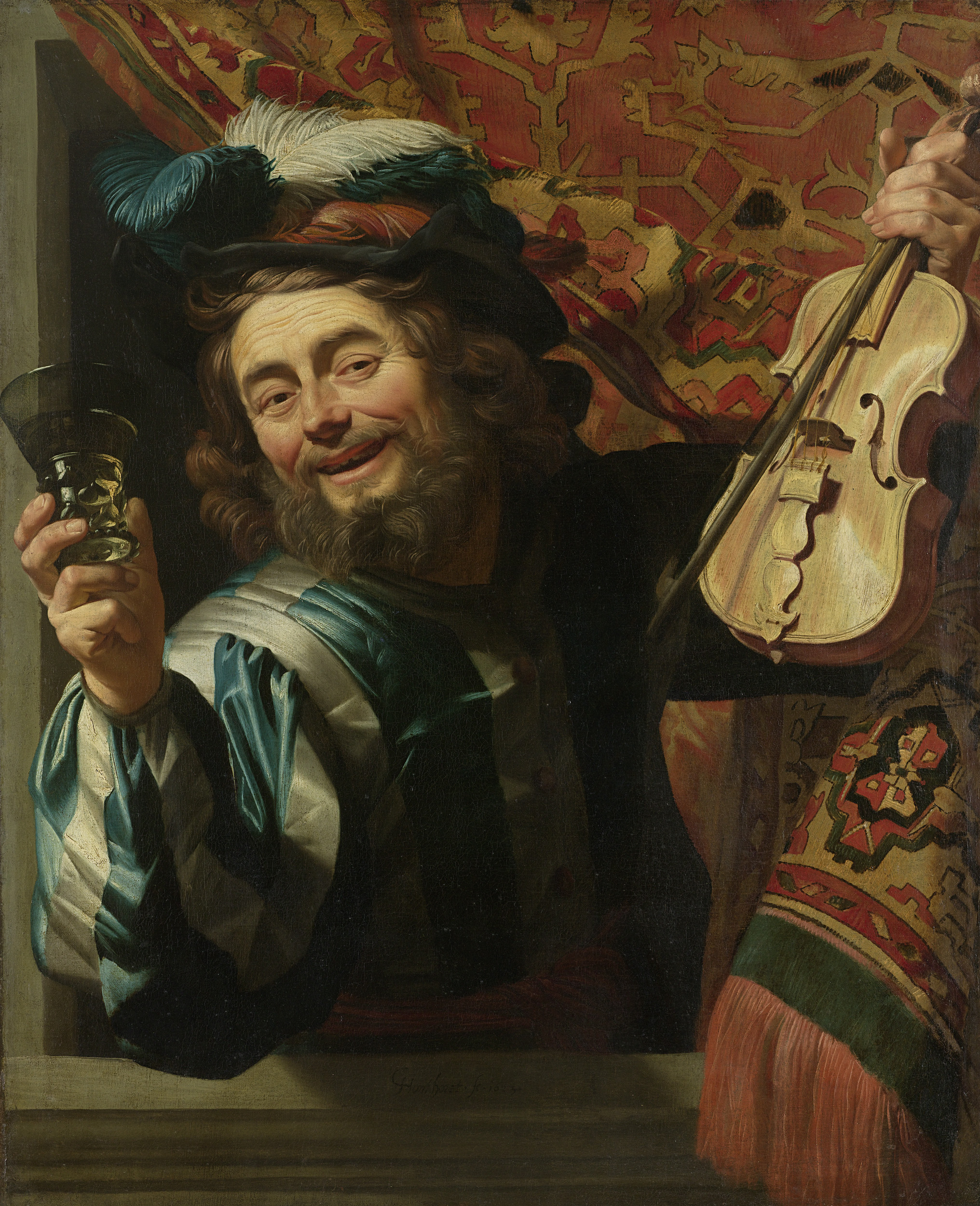
The Merry Fiddler
Gerard van Honthorst
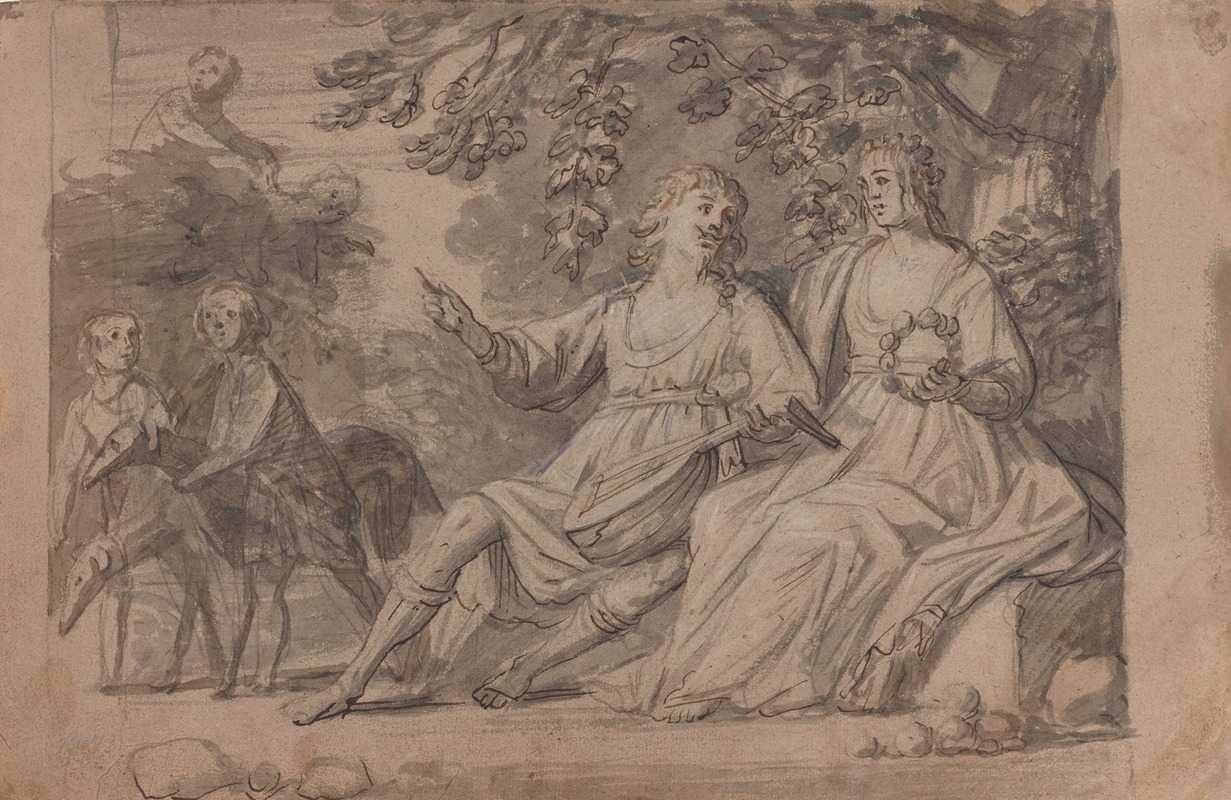
Pastoral scene of a man and a woman
Gerard van Honthorst
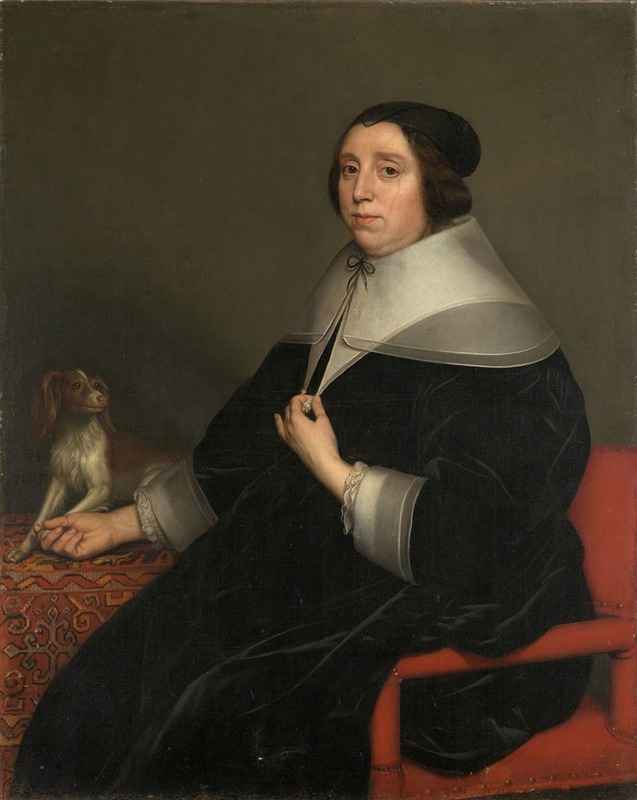
Portrait of a Woman
Gerard van Honthorst
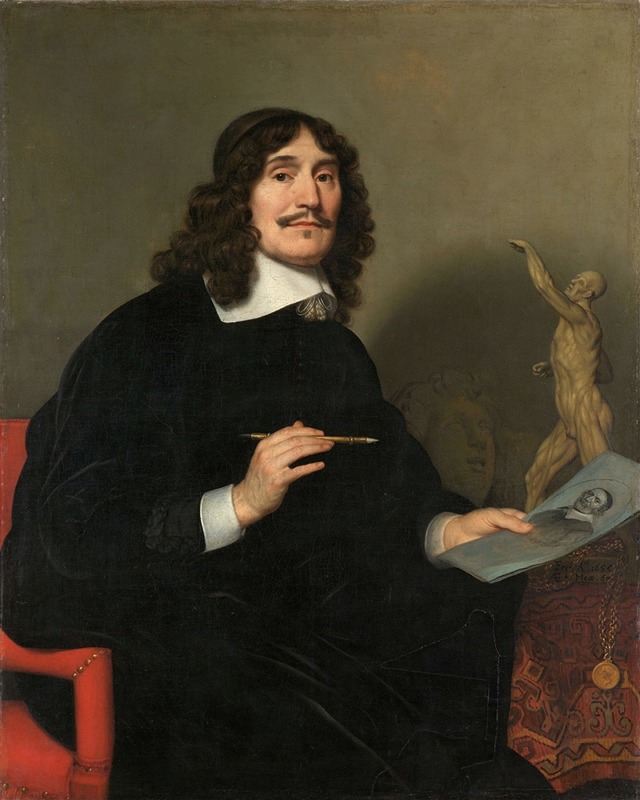
Portrait of an Artist
Gerard van Honthorst
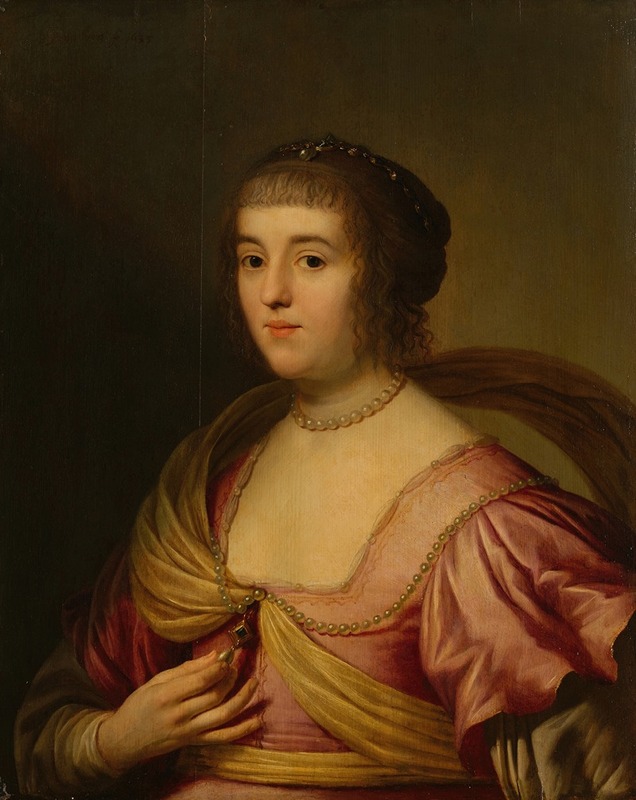
Portrait of Amalia van Solms
Gerard van Honthorst
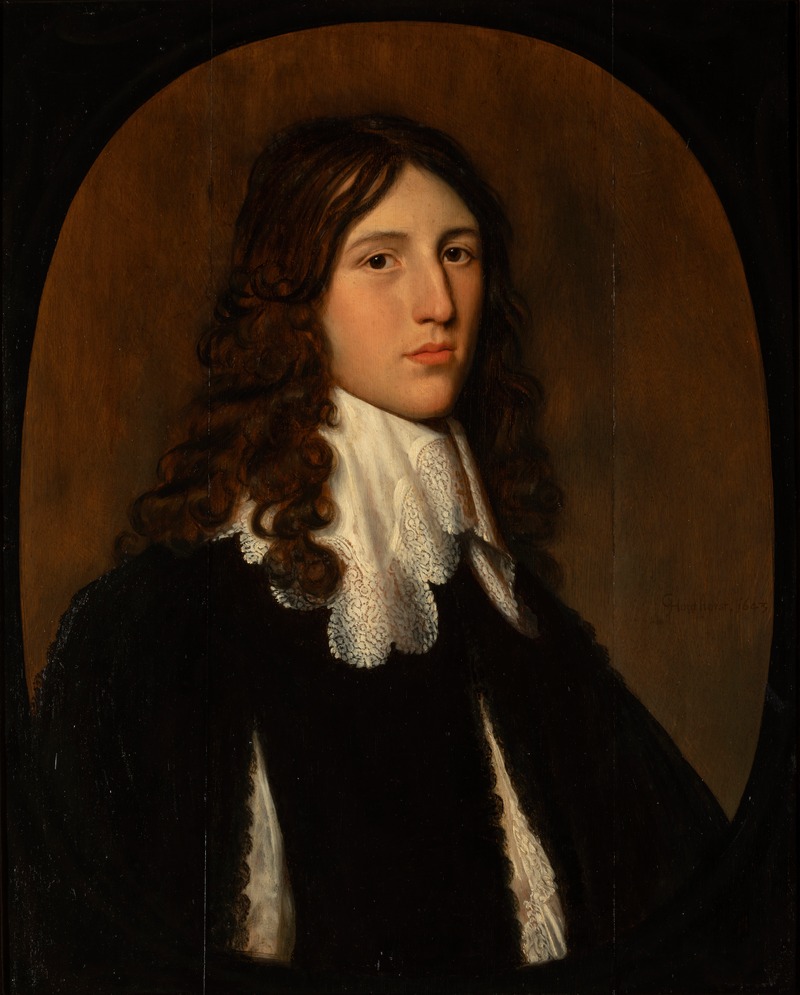
Portrait of Willem van Beveren (1624-1672)
Gerard van Honthorst
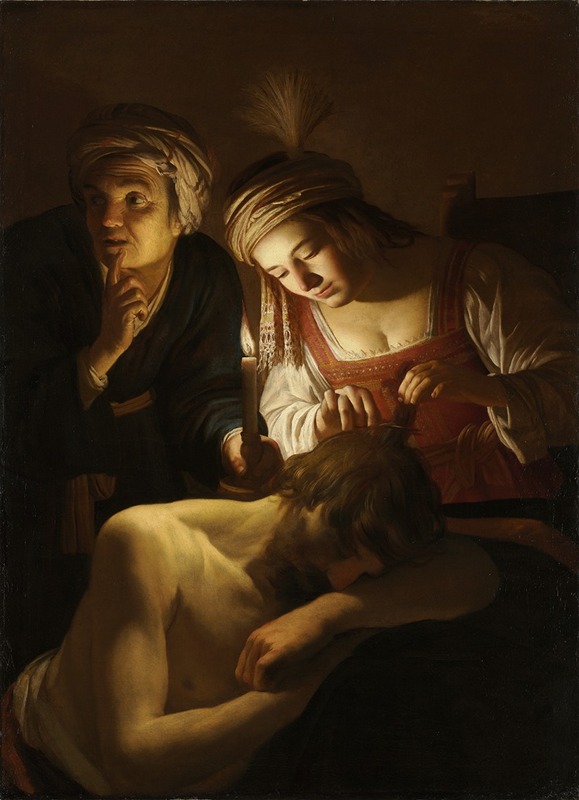
Samson and Delilah
Gerard van Honthorst
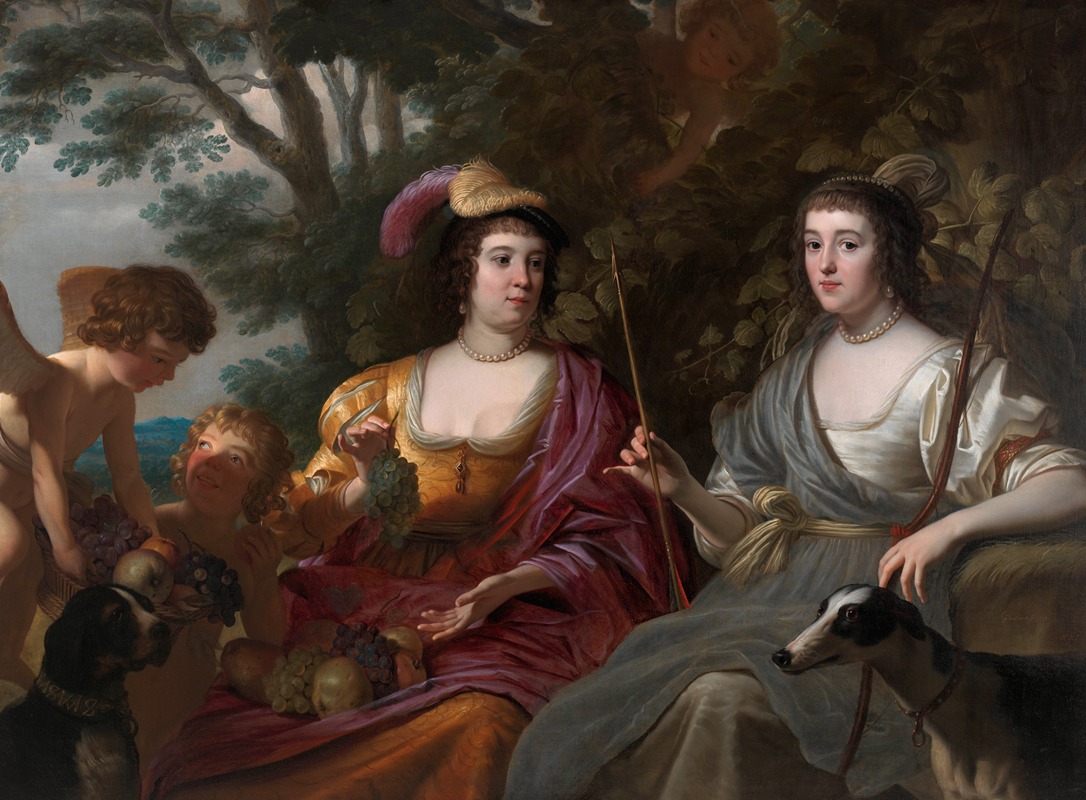
Double Portrait of Amalia van Solms and Charlotte de La Trémoïlle
Gerard van Honthorst
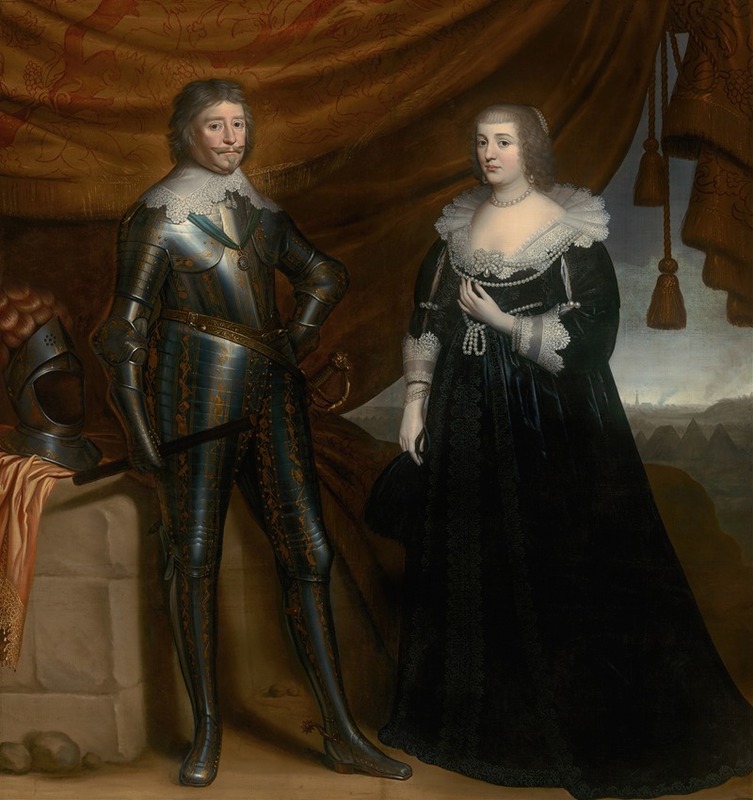
Double Portrait of Frederik Hendrik (1584- 1647) and Amalia of Solms-Braunfels (1602- 1675)
Gerard van Honthorst