
Portrait of Willem van Beveren (1624-1672) — History & Facts
In Portrait of Willem van Beveren, the subject is depicted in a three-quarter pose, wearing a dark, richly textured outfit. The background is a soft, muted tone that highlights the figure's features. The use of light and shadow creates a dramatic effect, characteristic of the artist's style.
The colors are deep and warm, enhancing the overall richness of the portrait. This painting is an example of oil on canvas, a common medium during the Dutch Golden Age. The dimensions are approximately 75 x 100 cm, allowing for detailed representation of the subject. The artist employs chiaroscuro, a technique that contrasts light and dark to create volume and depth.
The attention to detail in the clothing and facial expression adds to the realism of the work. Gerard van Honthorst was known for his ability to capture the human likeness and emotion in his portraits. This work, painted around 1625, reflects the high demand for portraiture during the Dutch Golden Age. An interesting fact about this painting is that it showcases the influence of Caravaggio, particularly in the use of dramatic lighting.
Van Honthorst's portraits often conveyed the status and personality of his sitters, making them highly sought after.
More Artworks by Gerard van Honthorst

Frederick Henry, his Consort Amalia of Solms, and their Three Youngest Daughters
Gerard van Honthorst
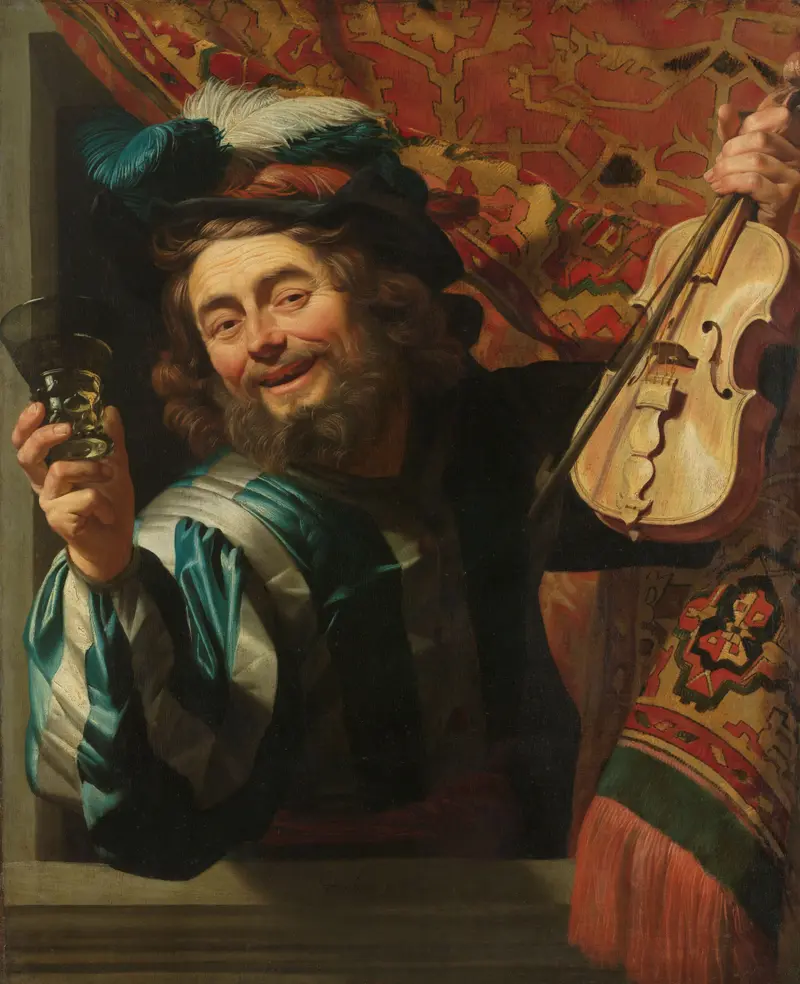
The Merry Fiddler
Gerard van Honthorst
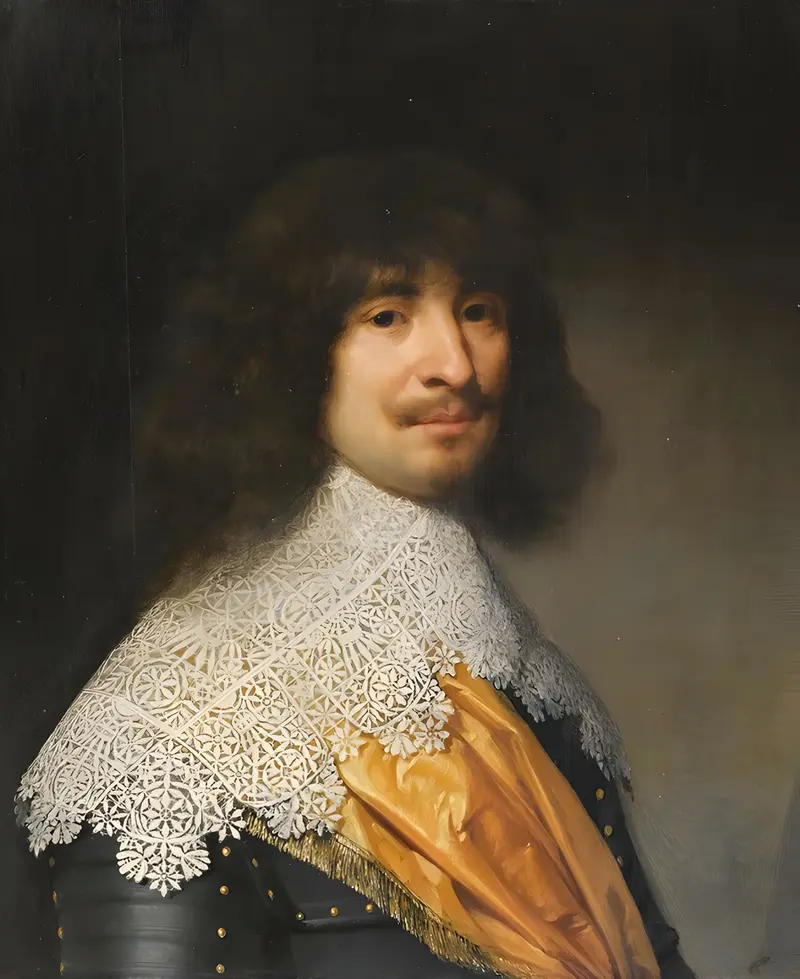
Portrait Of A Gentleman, Probably Sir Thomas Aston (1600-1646)
Gerard van Honthorst
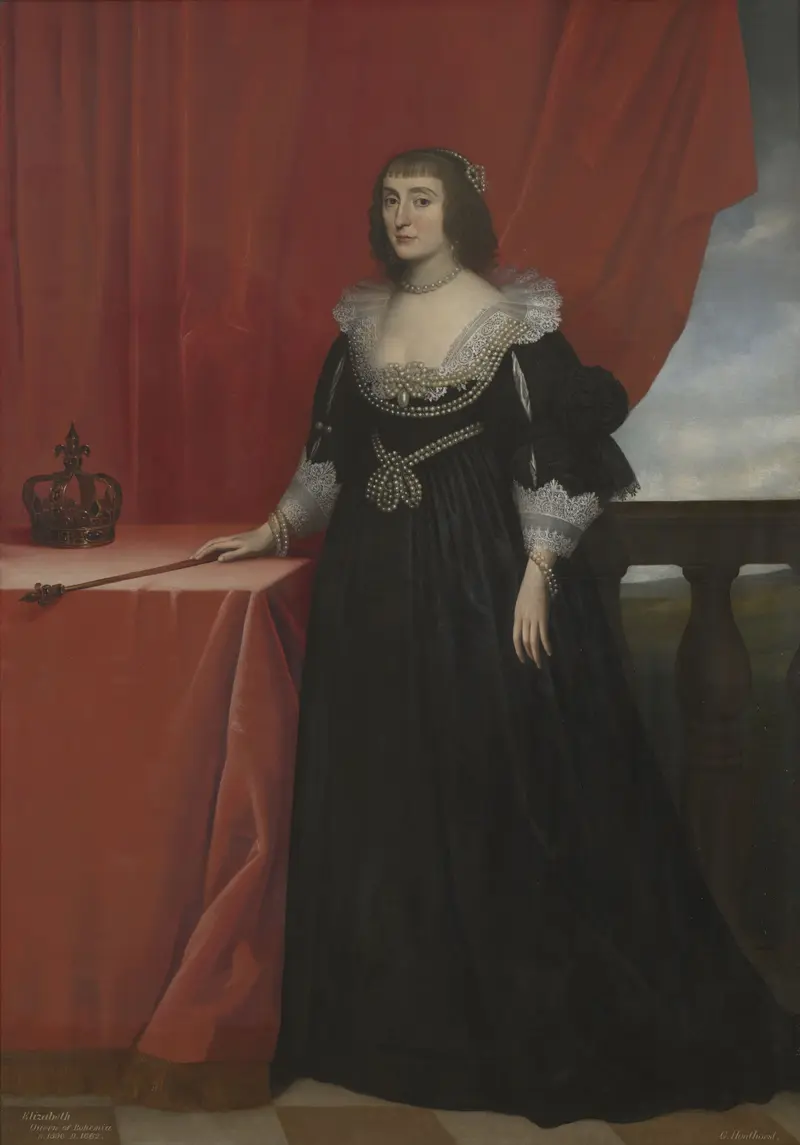
Portrait of Elizabeth Stuart, Queen of Bohemia
Gerard van Honthorst

Portrait of Amalia van Solms
Gerard van Honthorst
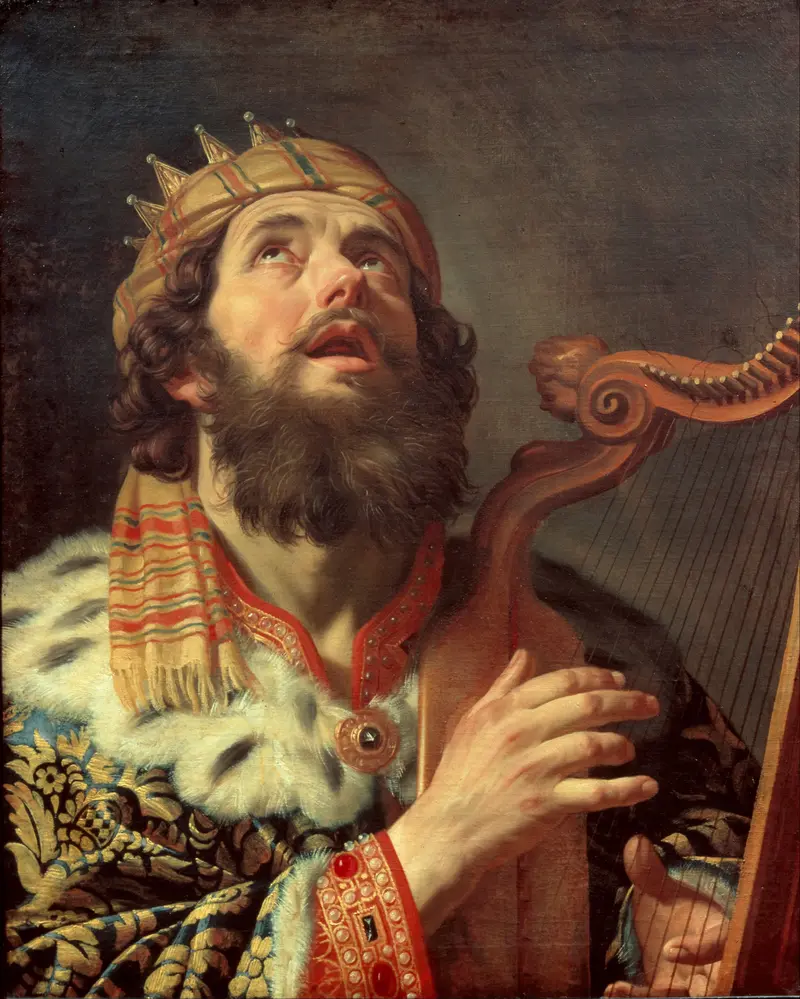
King David Playing the Harp
Gerard van Honthorst
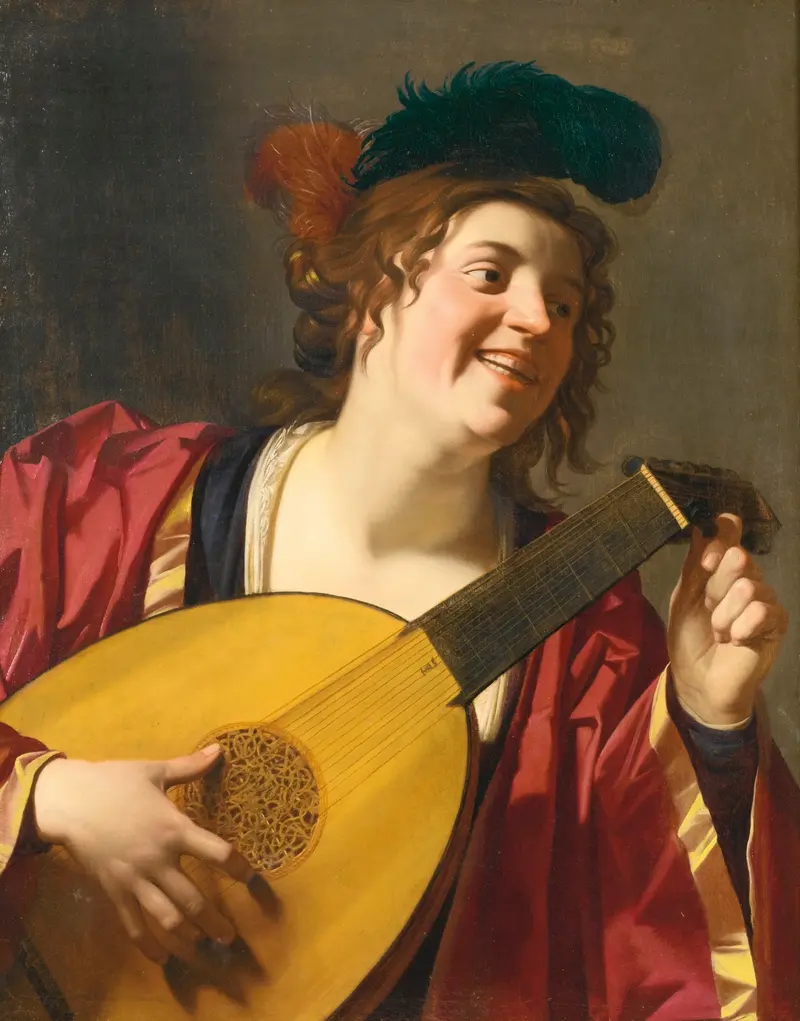
A Woman Tuning A Lute
Gerard van Honthorst

Amalia and her Daughters watching the Triumph of Frederik Hendrik
Gerard van Honthorst
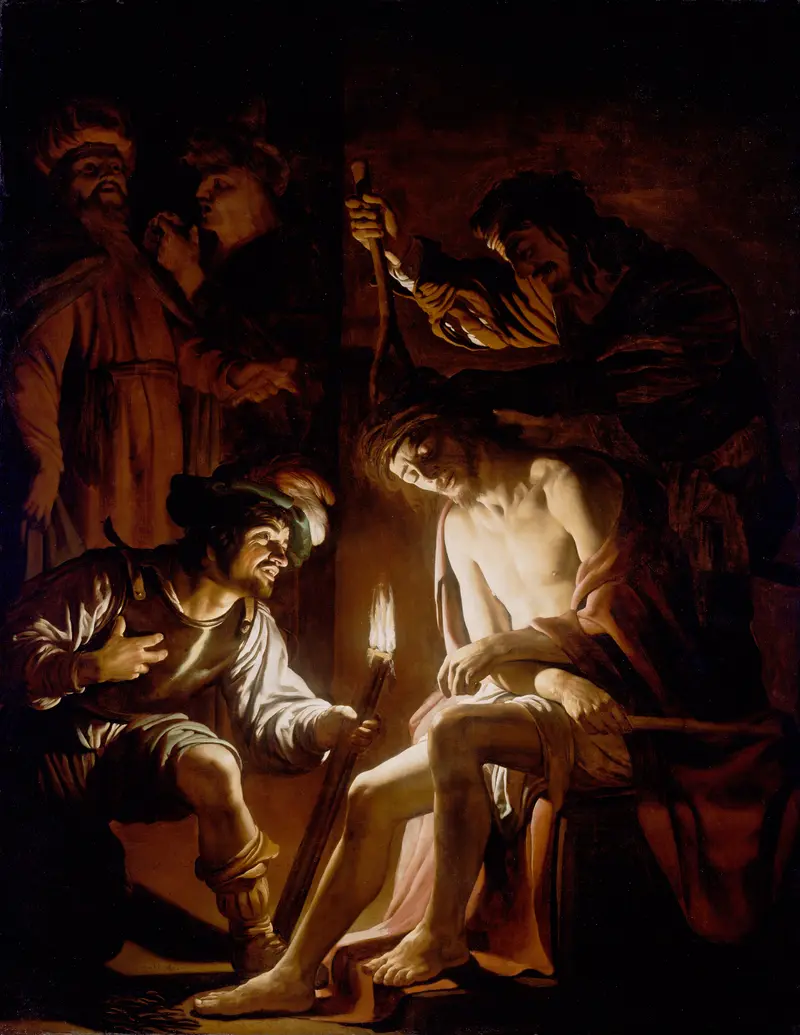
Christ Crowned with Thorns
Gerard van Honthorst
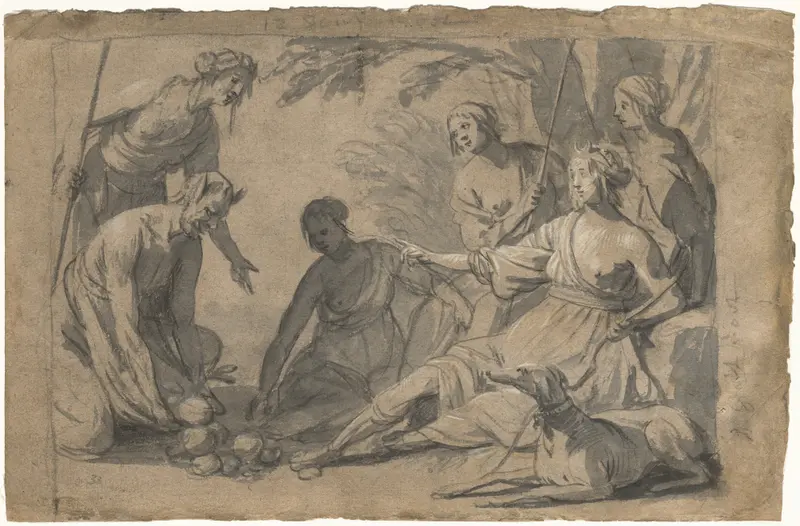
Diana and Four Nymphs Receiving Gifts from a Satyr
Gerard van Honthorst





