
Aanbidding door de herders — History & Facts
Can beauty exist without sorrow? In the heart of Frans Crabbe van Espleghem’s Aanbidding door de herders, the answer lingers in the air like a whispered prayer, hanging delicately between joy and melancholy. Focus first on the radiant light capturing the faces of the shepherds as they kneel in reverence. The soft glow envelops the holy scene, illuminating their expressions of awe and devotion. Look closely at the intricate details of their clothing; the textures convey a sense of warmth, contrasting with the cool tones that cloak the surroundings.
This interplay of light and shadow not only enhances the emotional depth but also guides the viewer's gaze toward the divine figure at the center, embodying both vulnerability and majesty. Delve deeper into the painting’s nuances, where each shepherd's gesture tells a story. The slight bow of the head here, the clasped hands there, hint at individual struggles and hopes, reflecting the larger human experience. The sparse background serves to amplify the central figures, emphasizing their solitude in worship.
The absence of elaborate surroundings creates a void that resonates with the viewer, prompting contemplation of faith, sacrifice, and the ever-present weight of longing intertwined with devotion. Van Espleghem painted this masterpiece during a time when Northern Renaissance art was flourishing, with an increasing focus on realism and emotional depth. Active from 1490 to 1552 in the Netherlands, he was influenced by the emerging trends of his contemporaries, who sought to capture the complexities of human emotion and spirituality. In this work, he not only reflects the artistic movements of his era but also invites an intimate dialogue with the viewer, connecting past and present through the universal themes of beauty and sorrow.
More Artworks by Frans Crabbe van Espleghem
Browse all →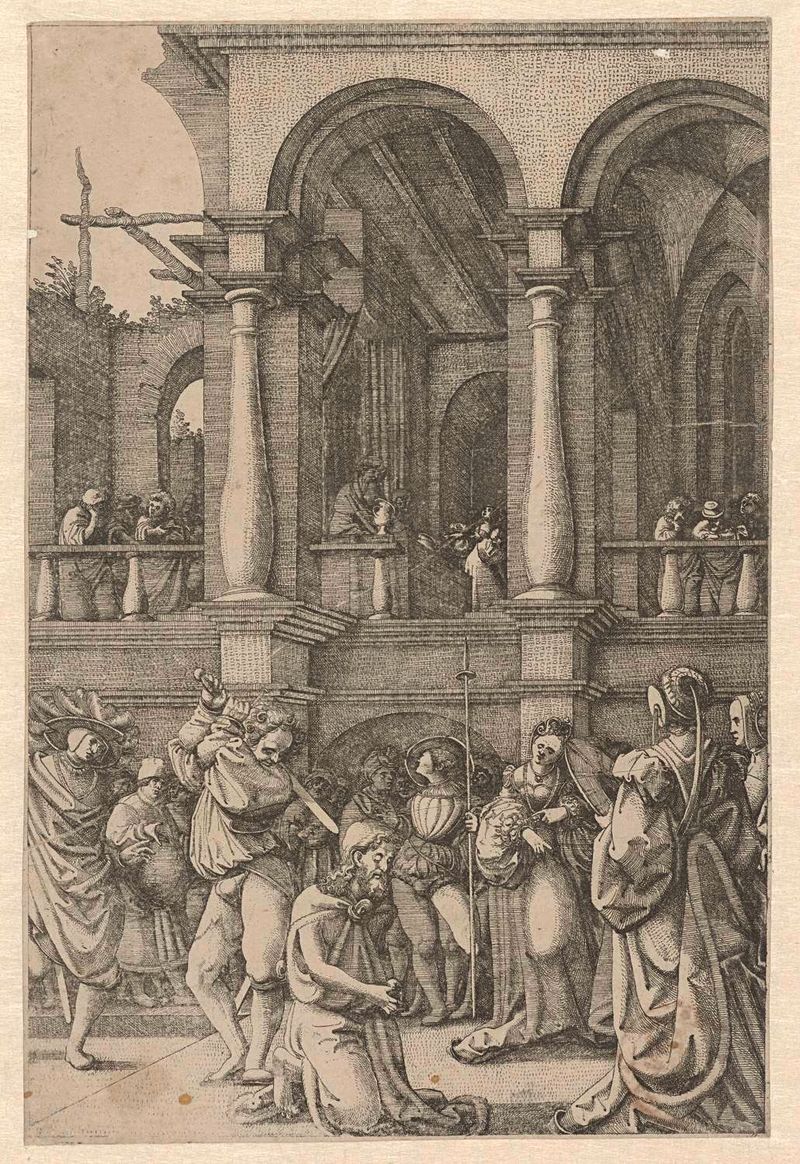
Onthoofding van Johannes de Doper
Frans Crabbe van Espleghem
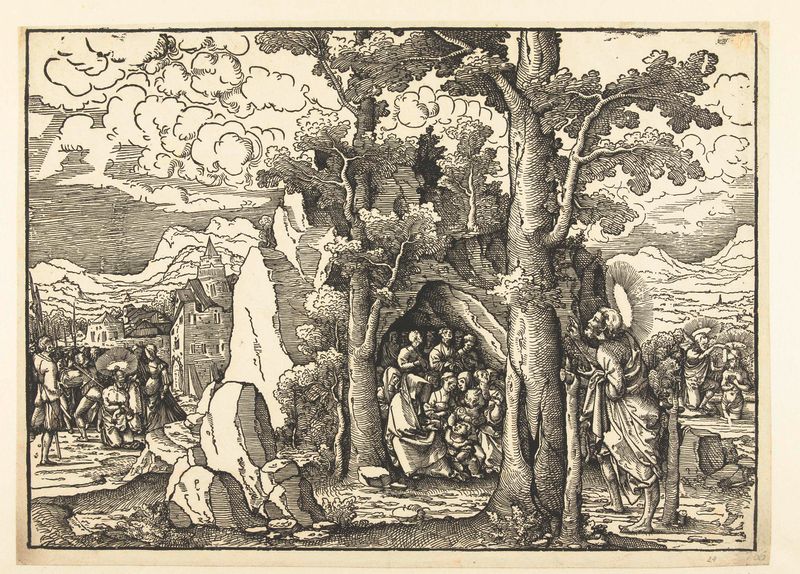
Prediking van Johannes de Doper
Frans Crabbe van Espleghem
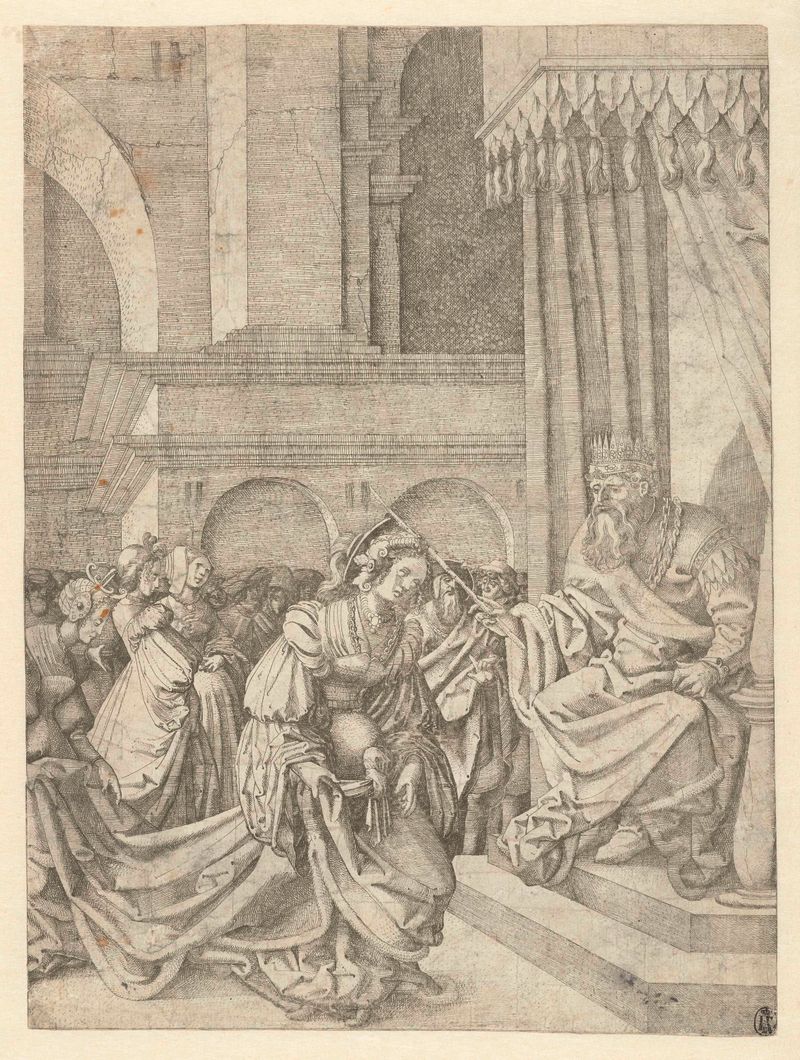
Esther voor Ahasverus
Frans Crabbe van Espleghem
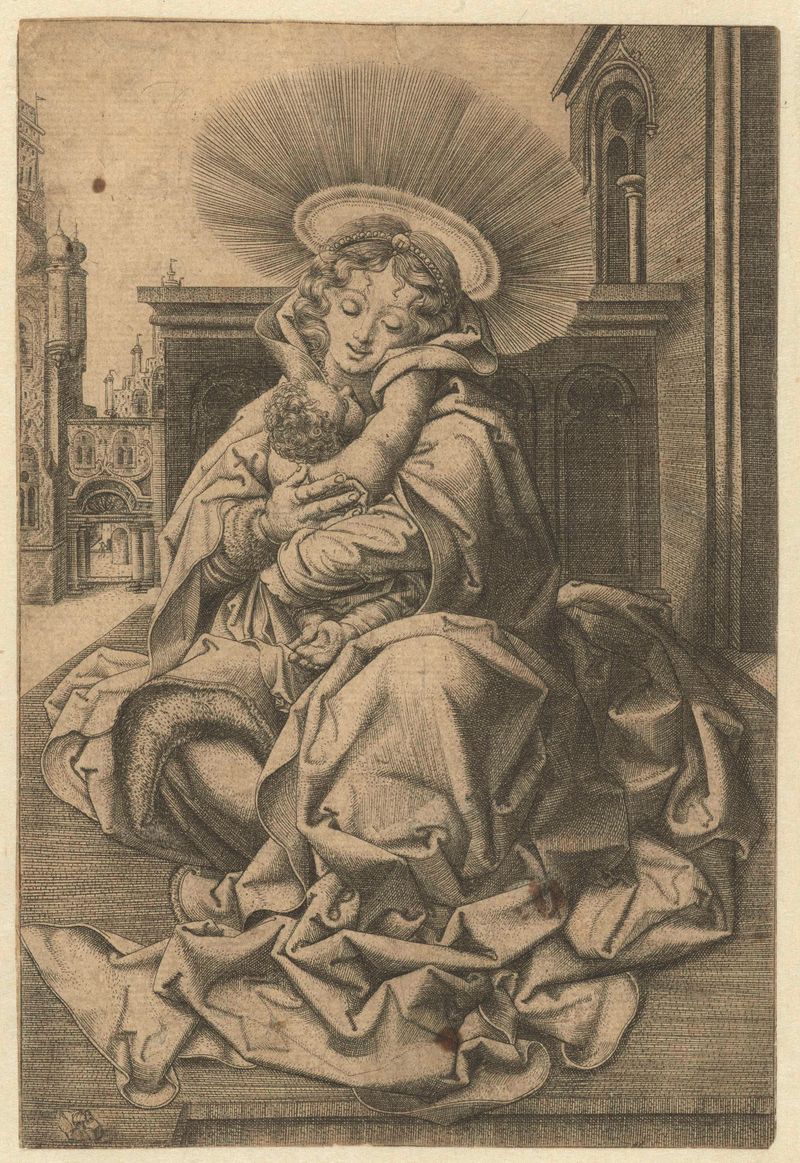
Madonna met kind in een hof
Frans Crabbe van Espleghem
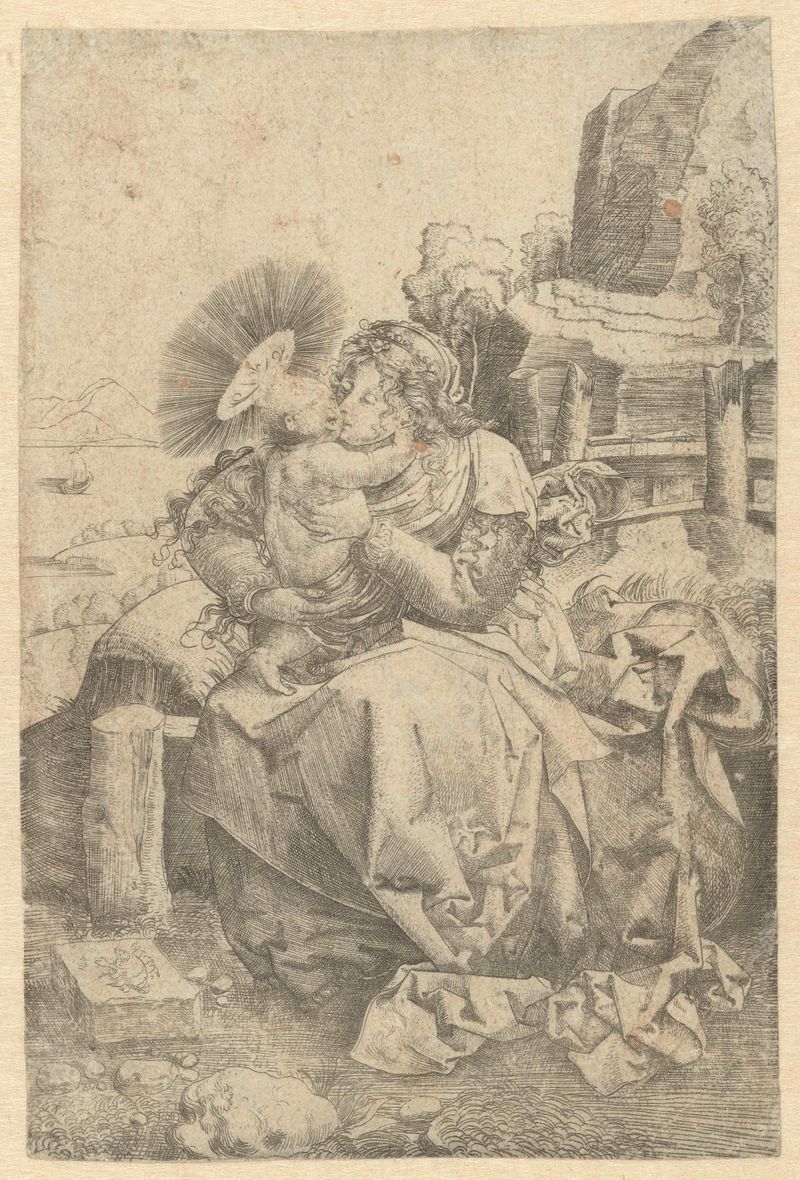
Madonna met kind in een landschap
Frans Crabbe van Espleghem
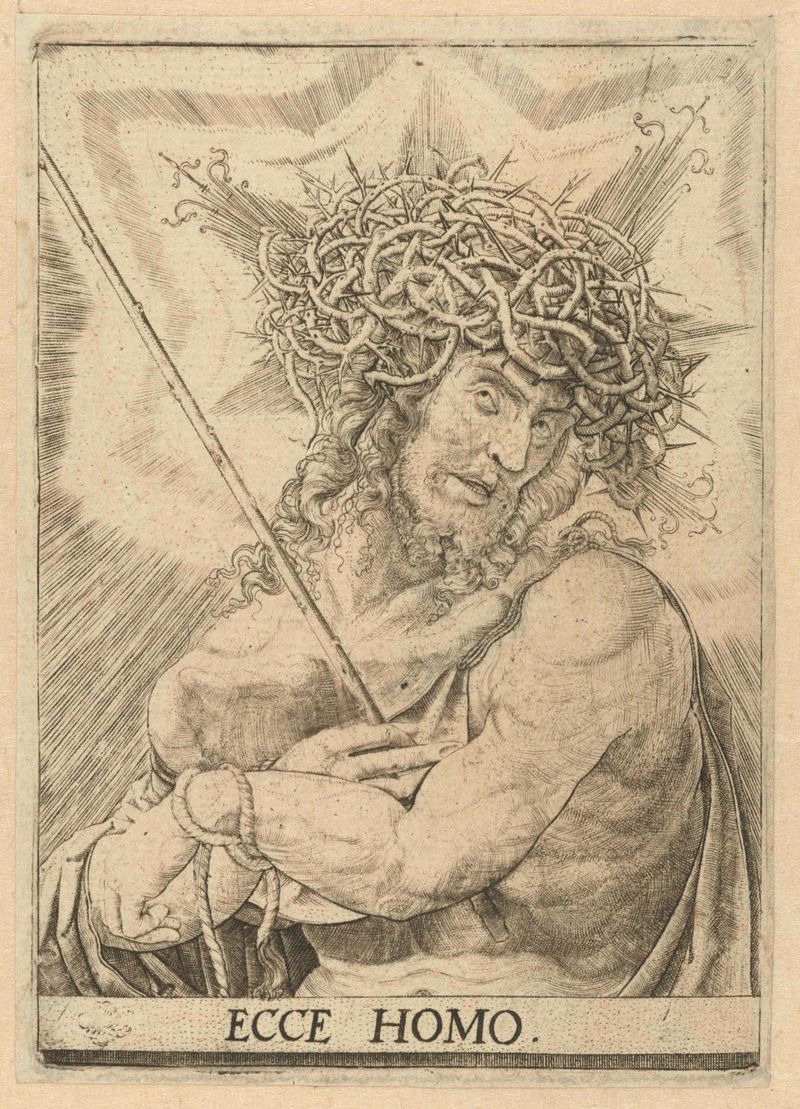
Man van Smarten
Frans Crabbe van Espleghem
More Religious Art
Browse all →
The Return of the Prodigal Son
Rembrandt van Rijn

The Garden of Earthly Delights
El Bosco

Count Orgaz’ funeral
El Greco

The Hundred Guilder Print: the central piece with Christ preaching, the plate arched
Rembrandt van Rijn

The Descent from the Cross
Rogier van der Weyden

The return of the prodigal son
Rembrandt van Rijn