
Madonna met kind in een hof — History & Facts
Did the painter know this moment would outlive them? In the delicate embrace of serenity, an eternal bond is captured, whispering truths across centuries. Look to the center where the Madonna cradles the child, the curve of their forms embodying a soft tenderness. The gentle interplay of light and shadow bathes their figures in a warm glow, drawing your eye immediately to their serene expressions. Notice how the lush foliage framing the scene adds depth, creating a sanctuary that contrasts with the figures’ stillness, evoking a sense of peace amidst the surrounding vibrancy. The colors reveal a profound emotional landscape; the soft blues and muted earth tones are a visual lullaby, inviting contemplation.
The slight tilt of the Madonna’s head suggests a quiet communication, an understanding beyond words. Meanwhile, the intricate detailing of the leaves hints at the natural world, symbolizing both life and growth—an interplay between the sacred and the earthly that resonates deeply within the observer. Frans Crabbe van Espleghem painted this piece between 1520 and 1530, during a time when the Northern Renaissance was flourishing. He was influenced by the emerging humanist thought, which emphasized the beauty of the natural world and the complexities of human emotion.
This painting, a reflection of both personal piety and the wider cultural shift, represents a moment of tranquility in a life that would soon be filled with artistic innovation.
More Artworks by Frans Crabbe van Espleghem
Browse all →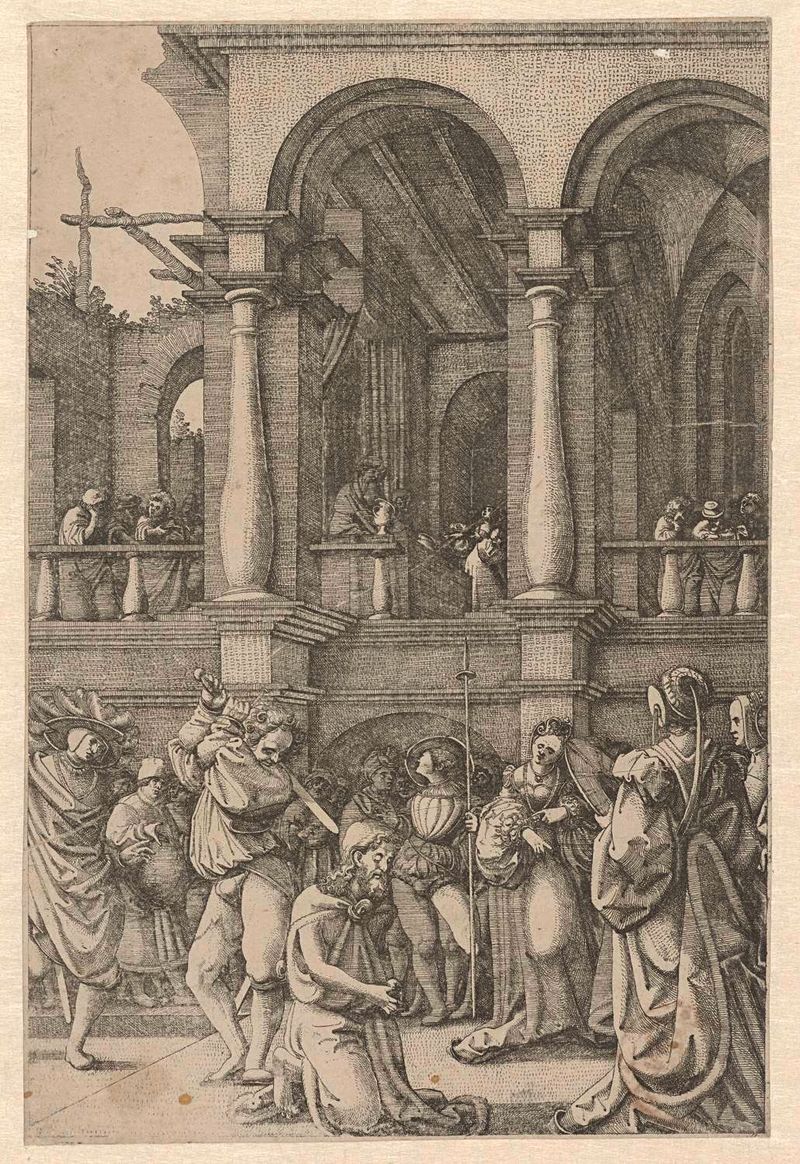
Onthoofding van Johannes de Doper
Frans Crabbe van Espleghem
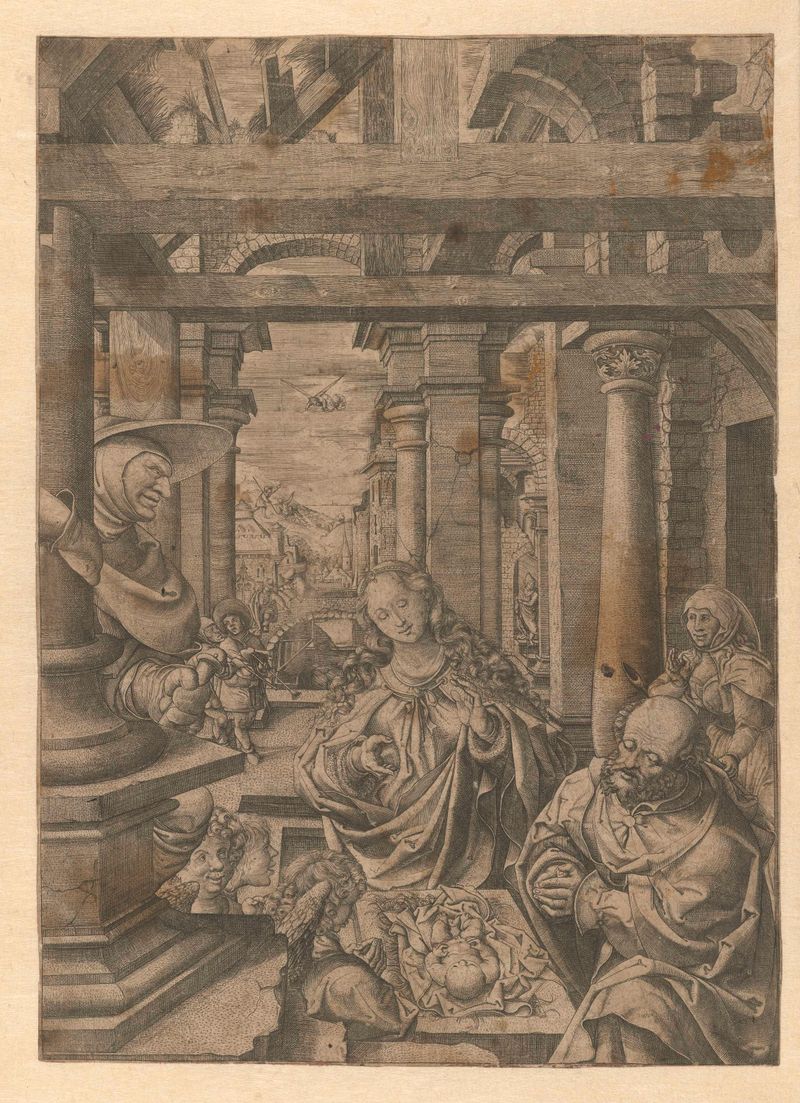
Aanbidding door de herders
Frans Crabbe van Espleghem
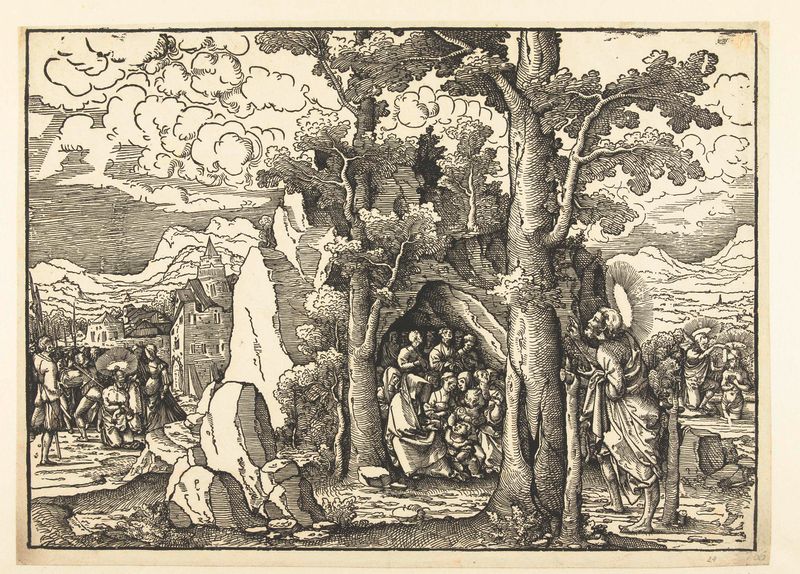
Prediking van Johannes de Doper
Frans Crabbe van Espleghem
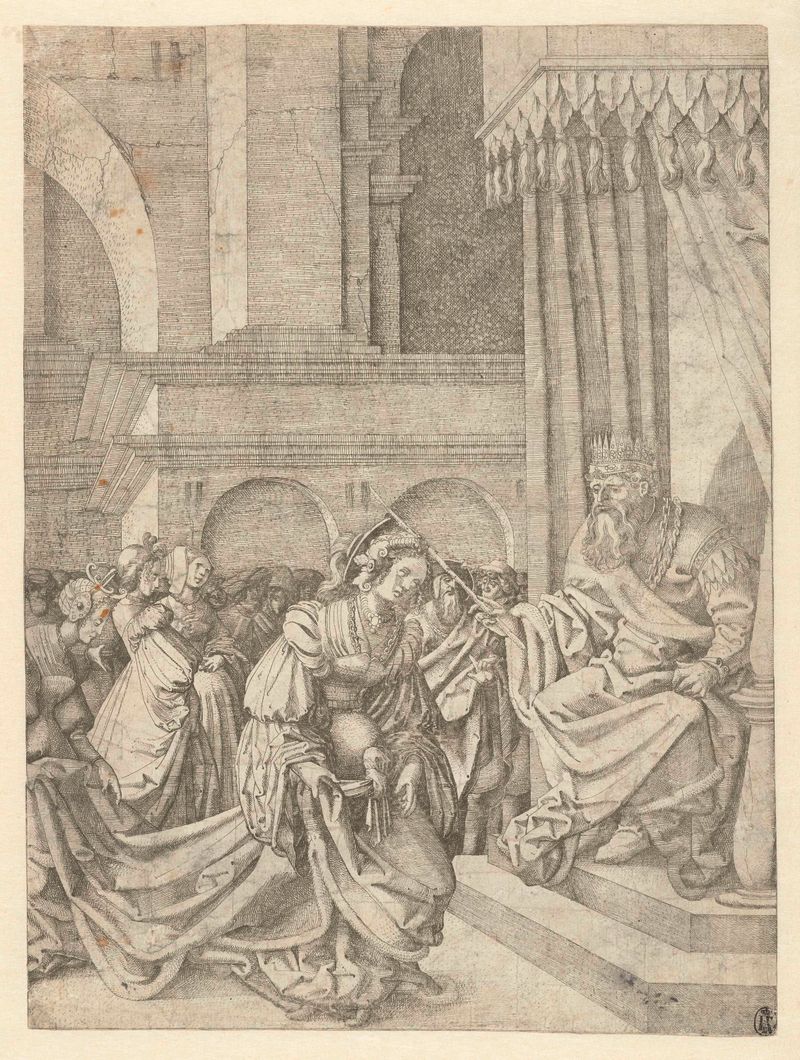
Esther voor Ahasverus
Frans Crabbe van Espleghem
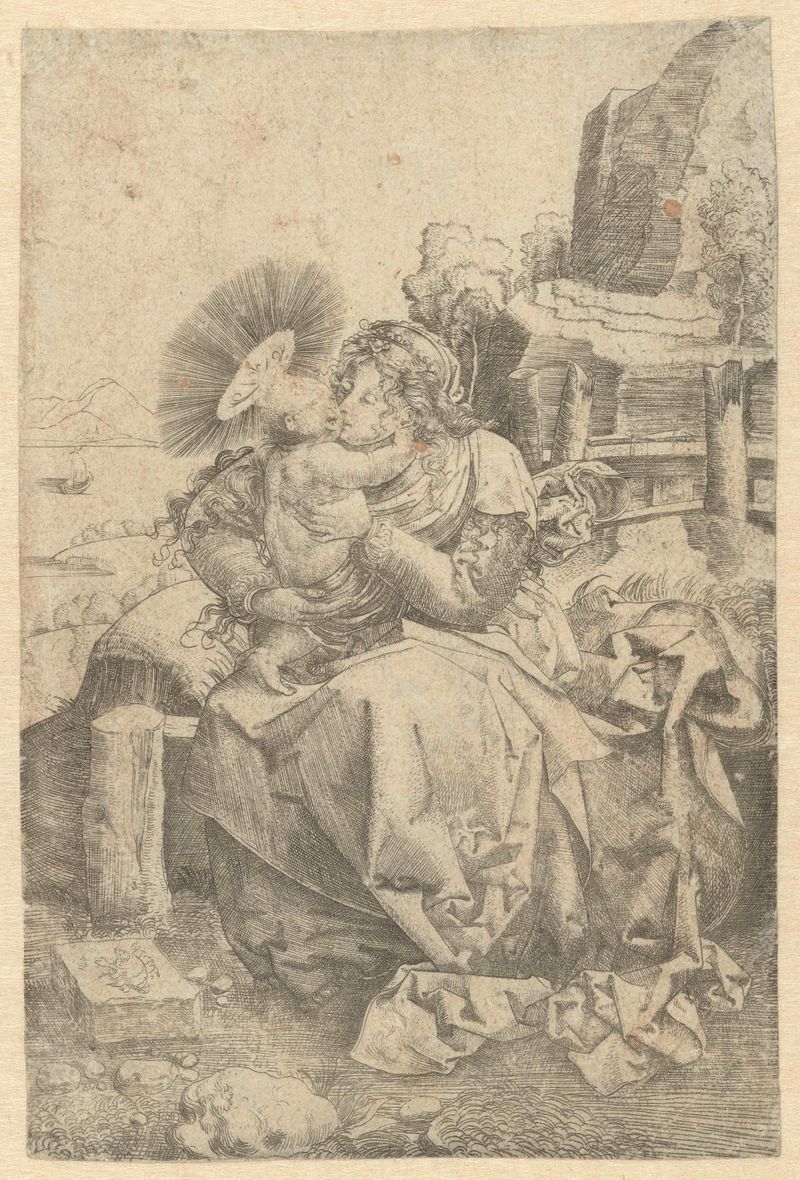
Madonna met kind in een landschap
Frans Crabbe van Espleghem
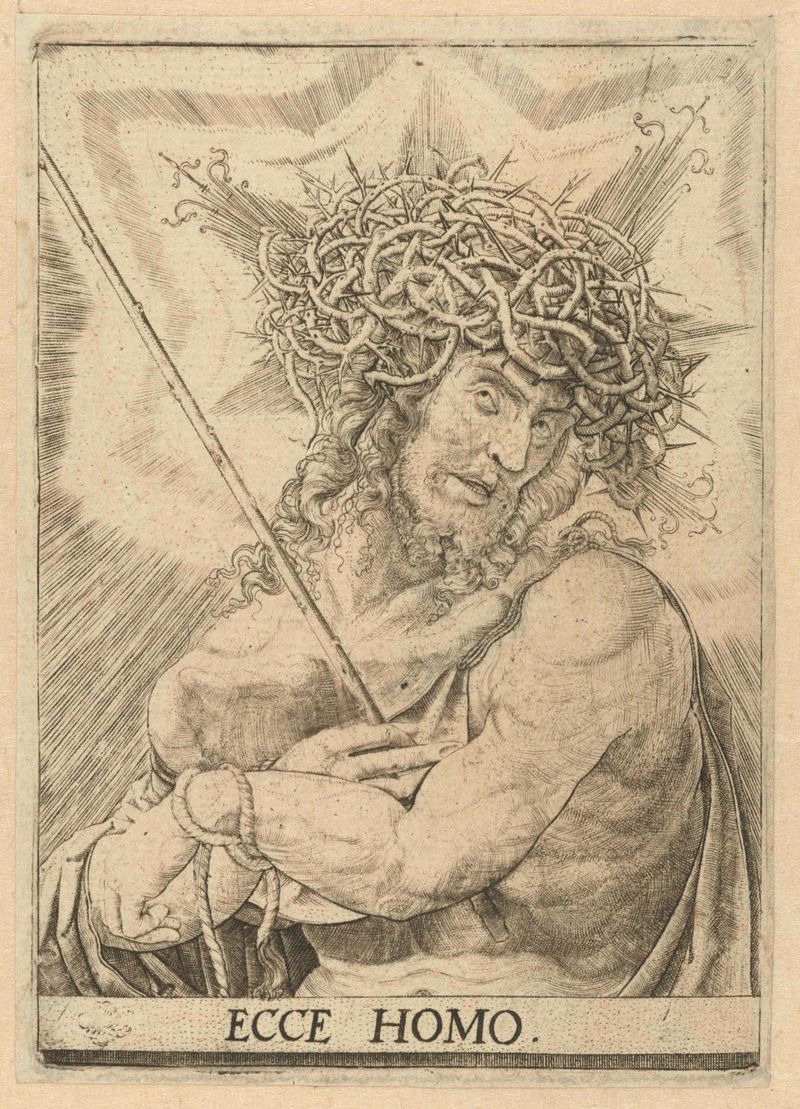
Man van Smarten
Frans Crabbe van Espleghem
More Religious Art
Browse all →
The Return of the Prodigal Son
Rembrandt van Rijn

The Garden of Earthly Delights
El Bosco

Count Orgaz’ funeral
El Greco

The Hundred Guilder Print: the central piece with Christ preaching, the plate arched
Rembrandt van Rijn

The Descent from the Cross
Rogier van der Weyden

The return of the prodigal son
Rembrandt van Rijn