
Esther voor Ahasverus — History & Facts
Could beauty survive in a century of chaos? In Esther voor Ahasverus, the delicate interplay of grace and tension invites us to ponder the depths of fear and vulnerability enveloping its subjects. Look to the left at Esther's poised figure, her elegant attire adorned with intricate patterns that seem to shimmer under the painting's muted light. The composition draws our gaze towards her, as the soft blues and warm golds envelop her form, creating a gentle contrast against the darker hues surrounding King Ahasuerus. Notice how her downcast eyes betray a hint of trepidation, while the king’s imposing presence looms—a figure draped in royal regalia, yet shrouded in an air of menace.
The careful brushwork captures each detail, from the delicate fabric of Esther’s gown to the opulent textures of the throne, revealing a world rife with both splendor and uncertainty. Beneath the surface beauty lies an emotional tug-of-war. The juxtaposition of Esther’s grace against the king's power encapsulates the conflict between femininity and authority, vulnerability and dominance. Her poised demeanor belies the fear that hangs heavily in the air, a visual representation of the stakes involved in her bold approach.
The distance between them, both physical and emotional, deepens the tension: she stands as a beacon of hope, yet also a target of potential wrath. Frans Crabbe van Espleghem created this work during a time of significant transition in Europe, where the Renaissance began to reshape artistic expression. Painted between 1490 and 1552, this piece reflects the artist's deep engagement with themes of power, identity, and the complexities of human emotion amid a rapidly changing world. The rising tensions of the Reformation and the flourishing of new artistic techniques influenced his vision, as he sought to capture both the beauty and the fear that define the human experience.
More Artworks by Frans Crabbe van Espleghem
Browse all →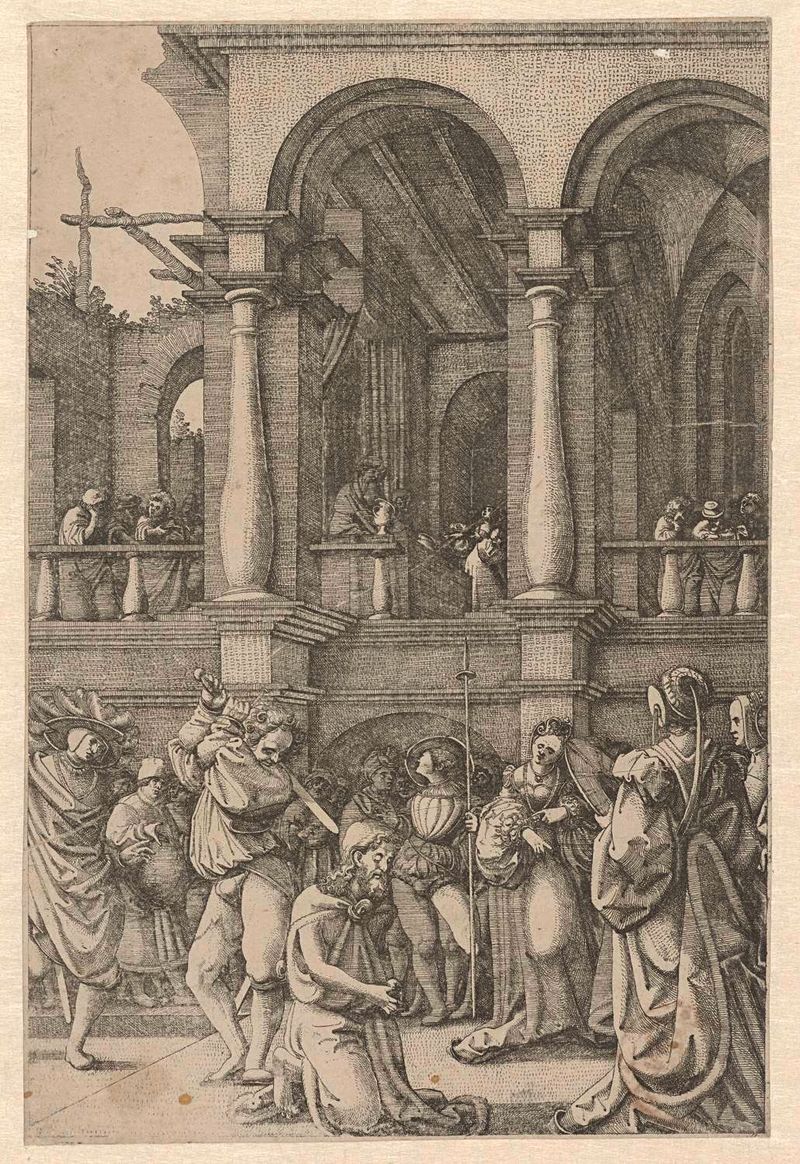
Onthoofding van Johannes de Doper
Frans Crabbe van Espleghem
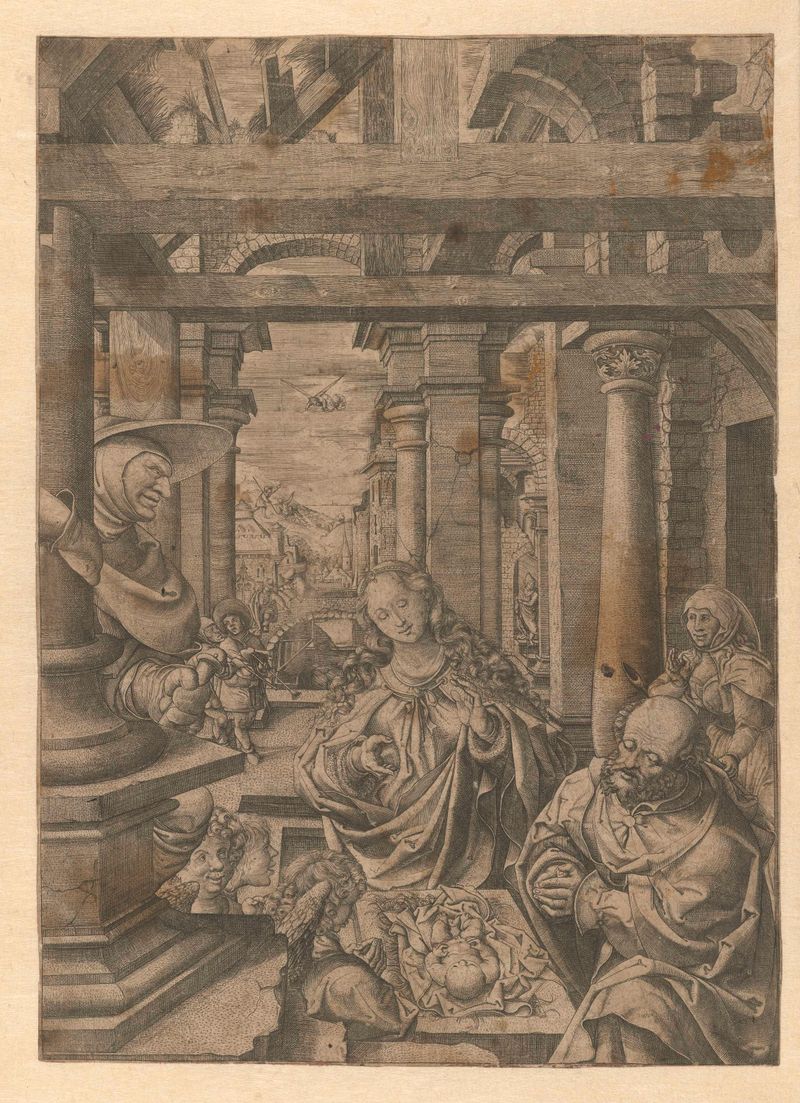
Aanbidding door de herders
Frans Crabbe van Espleghem
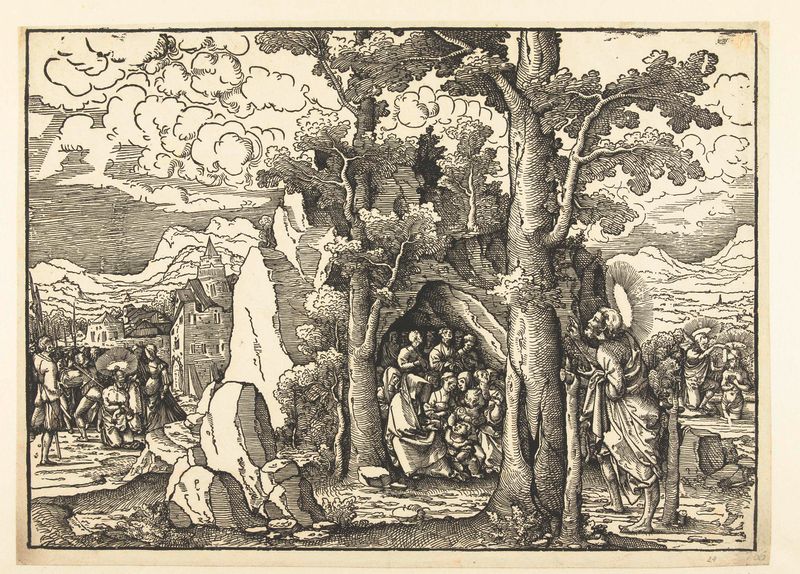
Prediking van Johannes de Doper
Frans Crabbe van Espleghem
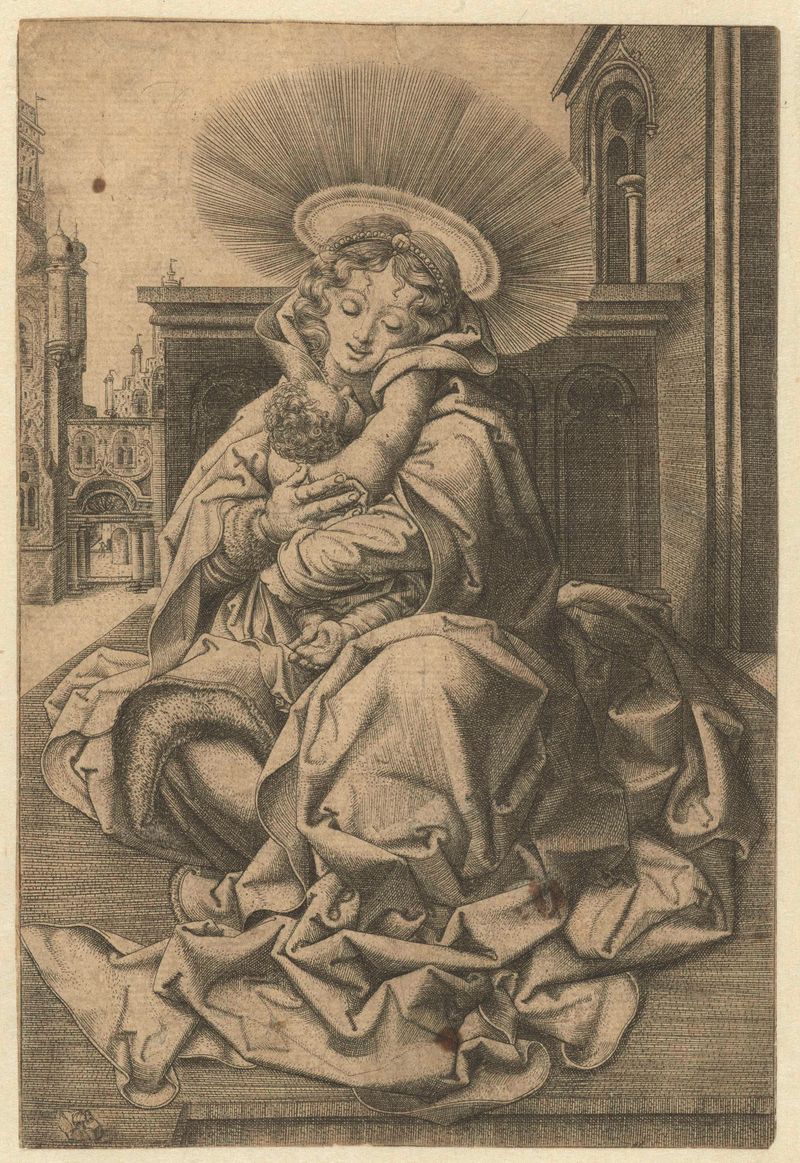
Madonna met kind in een hof
Frans Crabbe van Espleghem
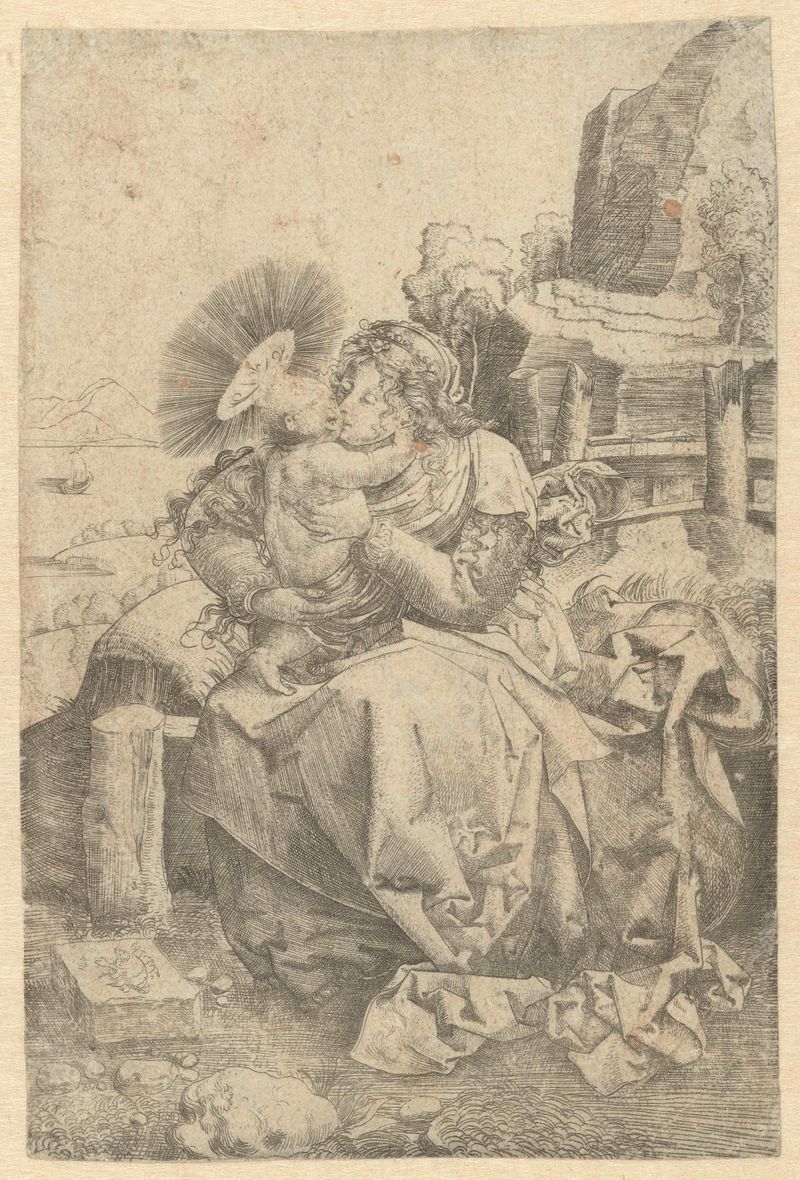
Madonna met kind in een landschap
Frans Crabbe van Espleghem
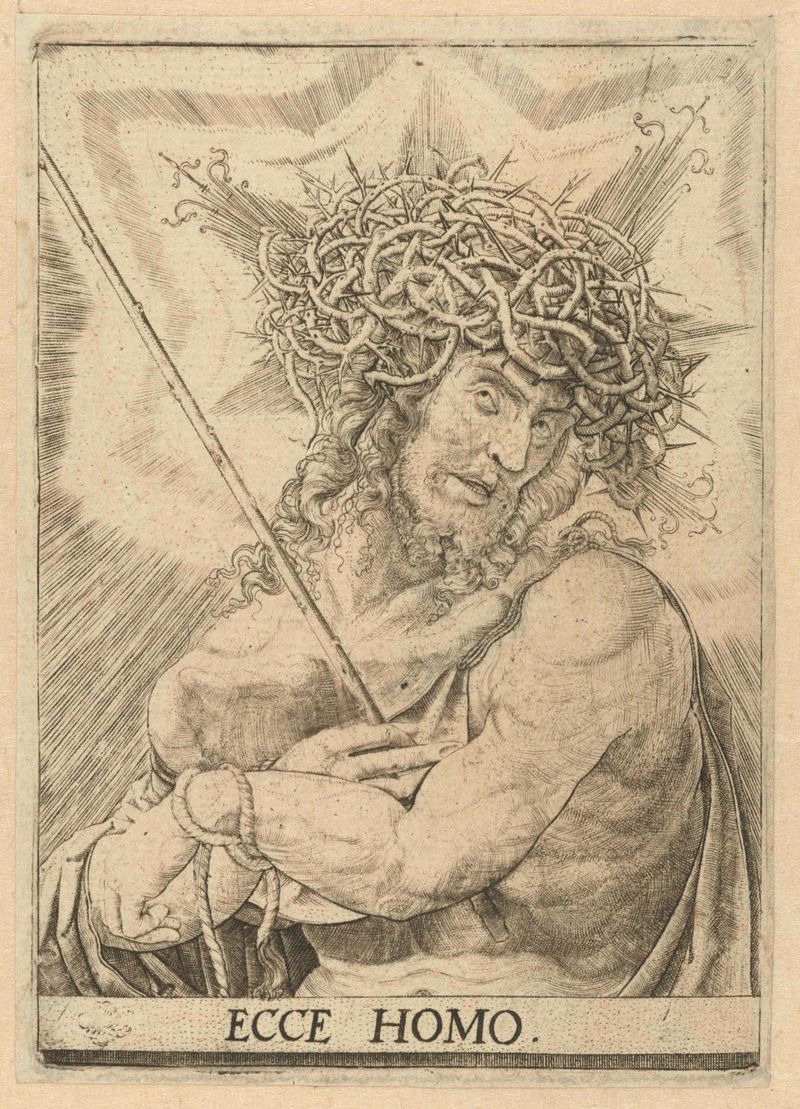
Man van Smarten
Frans Crabbe van Espleghem
More Historical Art
Browse all →
The Night Watch Militia Company of District II under the Command of Captain Frans Banninck Cocq
Rembrandt van Rijn

Lincoln Memorial
Henry Bacon

The Third of May 1808
Francisco de Goya

Isaac and Rebecca, Known as ‘The Jewish Bride’
Rembrandt van Rijn

The Charge of the Mamelukes (1814)
Francisco de Goya

De vier ruiters van de apocalyps
Albrecht Dürer