Abendliche Ansicht von Kairo — History & Facts
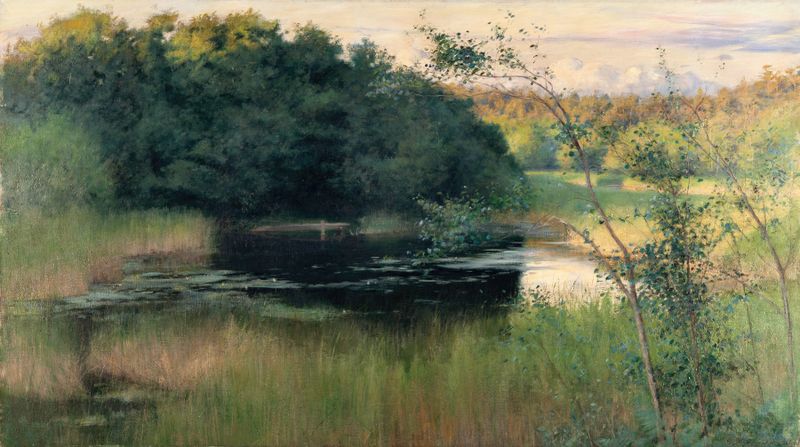
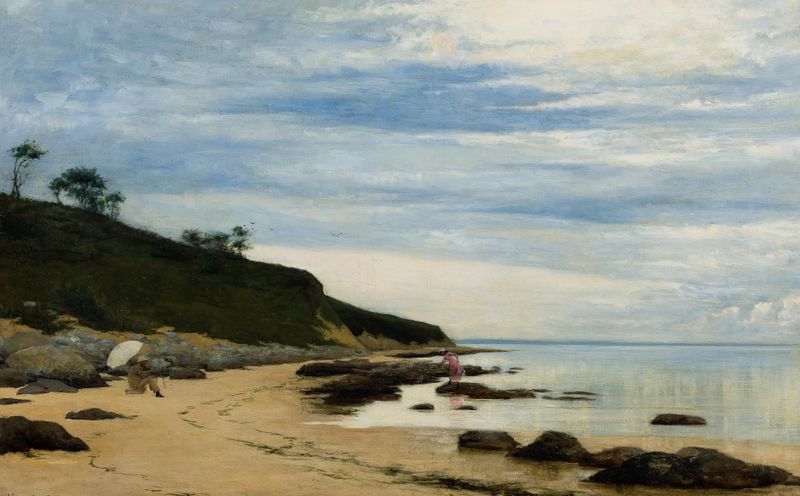
Can beauty exist without sorrow? In Robert Thegerström's Abendliche Ansicht von Kairo, the answer hangs in the balance like the fading light of day over the ancient city. Here, the ethereal blend of dusk and shadow invites the viewer to ponder the fleeting nature of existence, where every vibrant hue is laced with an undercurrent of fear and uncertainty. Focus first on the warm glow of the setting sun, as it caresses the golden domes and minarets, casting elongated shadows across the tranquil Nile. Notice how the soft pastels of the sky transition from deep oranges to blues, echoing the deepening calm yet promising the encroaching darkness.
The brushwork reveals a meticulous attention to the rhythm of light, inviting contemplation of the space between day and night, safety and danger. Delve deeper into the juxtaposition of serenity and foreboding. The tranquil waters reflect the warming hues above, yet the looming silhouettes of the buildings evoke a sense of isolation. Small boats drift quietly, yet they seem vulnerable against the vastness of the river, suggesting a tension between the beauty of the scene and the haunting fear of what lurks beneath.
This dynamic interplay captures the duality of life in Cairo, where beauty coexists with the ever-present threat of unrest. Thegerström painted this evocative piece in 1888 while residing in Sweden, a time when European artists were increasingly drawn to exotic locales. His work reflects a fascination with the mystique of the Orient, at a moment when Western perspectives were shifting. While exploring themes of light and shadow, he also grappled with the realities of the world, absorbing the complex narratives that cities like Cairo embodied, rich in history yet shadowed by uncertainty.