
Abradatas ontvangt een brief van Panthea — History & Facts
When did color learn to lie? The vibrancy of hues can beguile our senses while veiling the truth beneath. Focus on the figure to the left, where Abradatas stands poised, perhaps uncomprehending, before the letter's sealed promise. Notice the interplay of light and shadow, gently illuminating the parchment, allowing it to dominate the composition, its edge catching the room's soft glow. The rich palette of deep umbers and muted golds creates depth, while the delicate brushwork hints at an emotional fragility, suggesting a moment suspended in time, filled with anticipation and uncertainty. Delve deeper into the emotion captured in this painting.
The stark contrast between Abradatas’s confident stance and the inherent vulnerability of the letter creates a tension that speaks to the uncertainties of love and fate. The decay of the ornate background, with hints of peeling wallpaper and fading colors, underscores the impermanence of beauty and joy—reminding us of the inevitable decline that shadows all passionate endeavors. Here, the viewer is invited to reflect on the bittersweet nature of communication, where the promise of connection is often fraught with longing and loss. During the years 1616 to 1656, Laurent de La Hire emerged as a prominent figure in the French Baroque movement.
Living in a time when the arts were intertwined with the political currents of France, he produced works that balanced the emotional and the intellectual. Amidst the backdrop of the Thirty Years’ War and the shifting dynamics of power, his paintings often explored the complexities of human emotion, making Abradatas ontvangt een brief van Panthea a profound commentary on love and uncertainty during an era of tumult.
More Artworks by Laurent de La Hire
Browse all →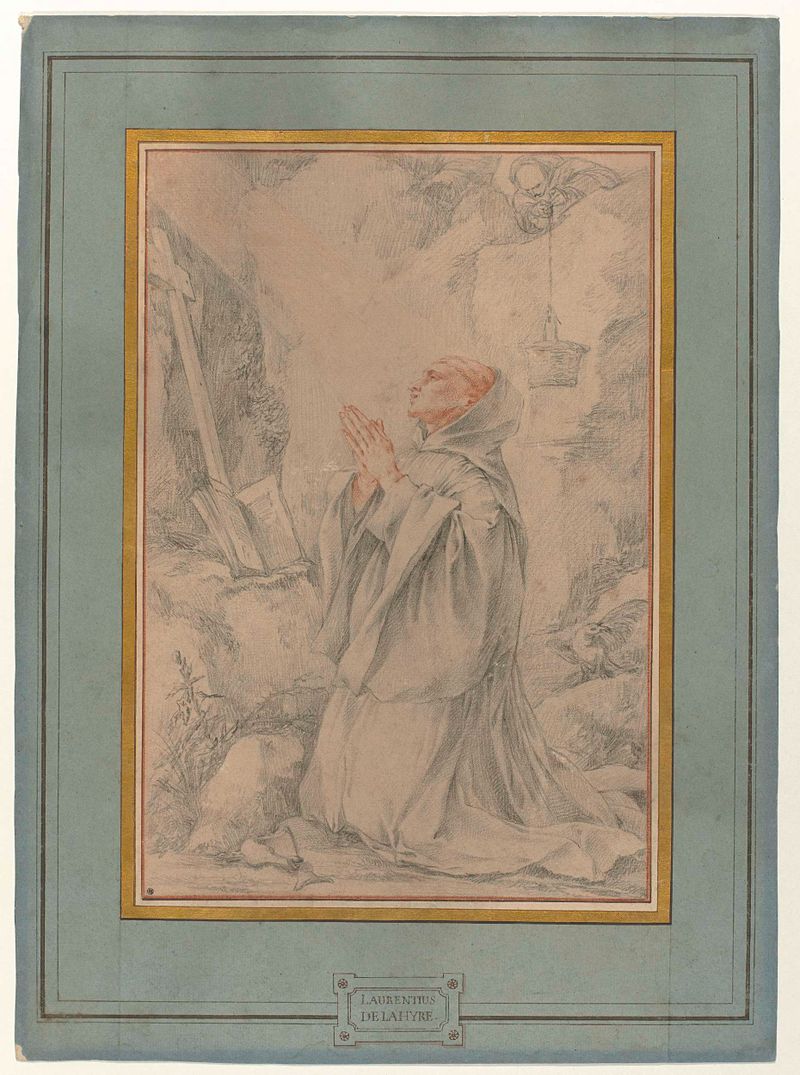
More Historical Art
Browse all →
The Night Watch Militia Company of District II under the Command of Captain Frans Banninck Cocq
Rembrandt van Rijn
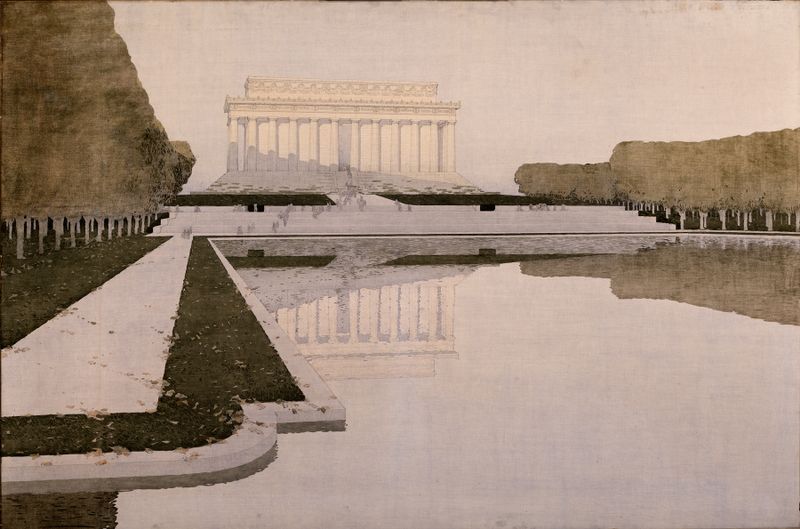
Lincoln Memorial
Henry Bacon
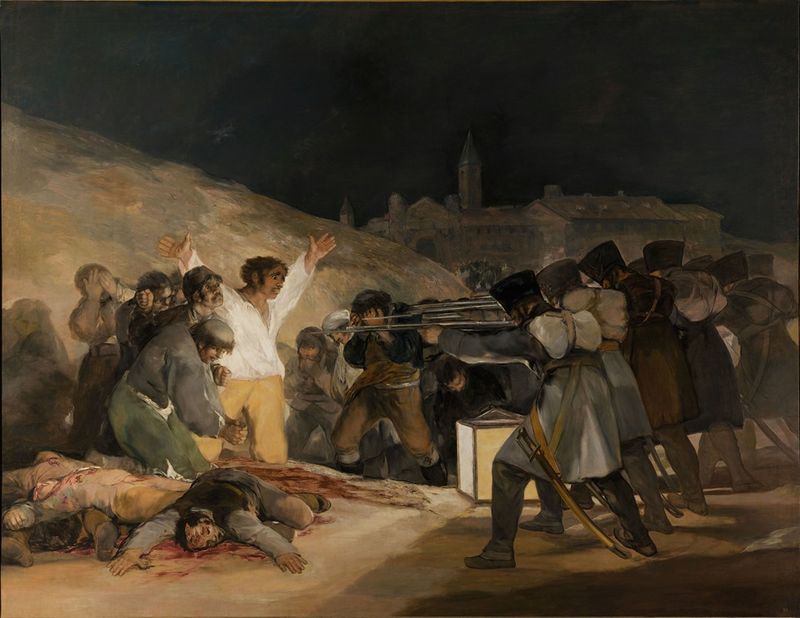
The Third of May 1808
Francisco de Goya

Isaac and Rebecca, Known as ‘The Jewish Bride’
Rembrandt van Rijn
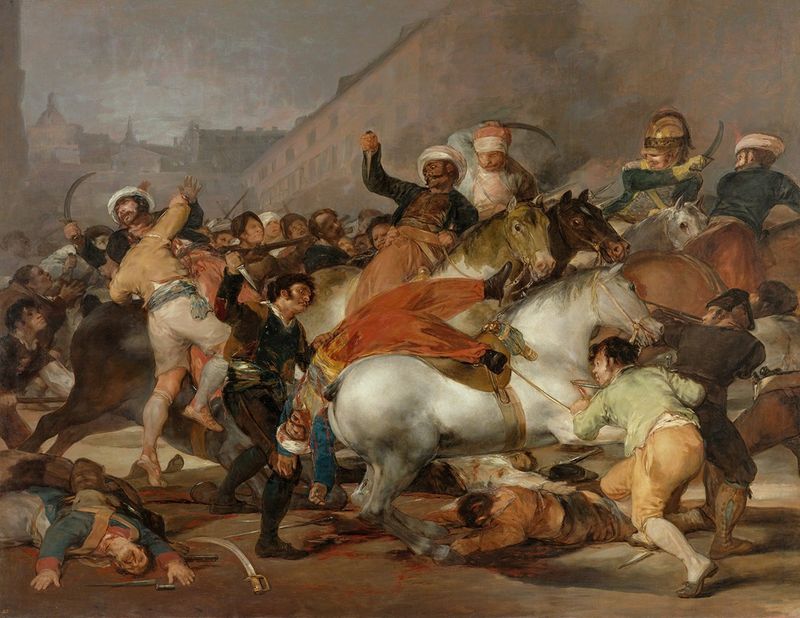
The Charge of the Mamelukes (1814)
Francisco de Goya

De vier ruiters van de apocalyps
Albrecht Dürer